Eastern Alliance — Home
Fumigation services by Eastern Alliance

Fumigation · Container, commodity & silo

Fumigation services

Fumigation that reaches where sprays cannot.

Stored-product insects breed inside bagged goods and bulk commodities, deep in stacks, containers and silos where surface treatments cannot reach. We fumigate inside a secured, monitored safety zone, then ventilate and clear the area before anyone goes back in. Timing is planned around your loading, shipping and production schedule.

  • Container fumigation
  • Commodity fumigation
  • Silo fumigation

Service areas:Al KhobarDammamRiyadhJeddahJubailJizanTabukall of Saudi Arabia

When to call us

When fumigation is the right call

Fumigation is used when pests are spread through goods or spaces that sprays and baits cannot reach. These are the situations where a survey usually points to it:

  • Live insects, larvae or webbing in bagged or bulk stock
  • Holes, fine powder or clumping in grain, flour or feed
  • Beetles or moths around stacked goods in a warehouse
  • Pests found in an incoming container or its cargo
  • Infested stock in a silo that cannot be moved or separated

Scope

What fumigation covers

  • Shipping containers and their cargo
  • Bagged and bulk commodities
  • Grain silos and bulk storage bins
  • Stacked stock in warehouses and stores
  • Stored-product insects such as weevils, beetles and moths

Know the pest

Stored-product pests fumigation deals with

These insects live inside grain, flour and dried food, where sprays cannot reach them. The gas does.

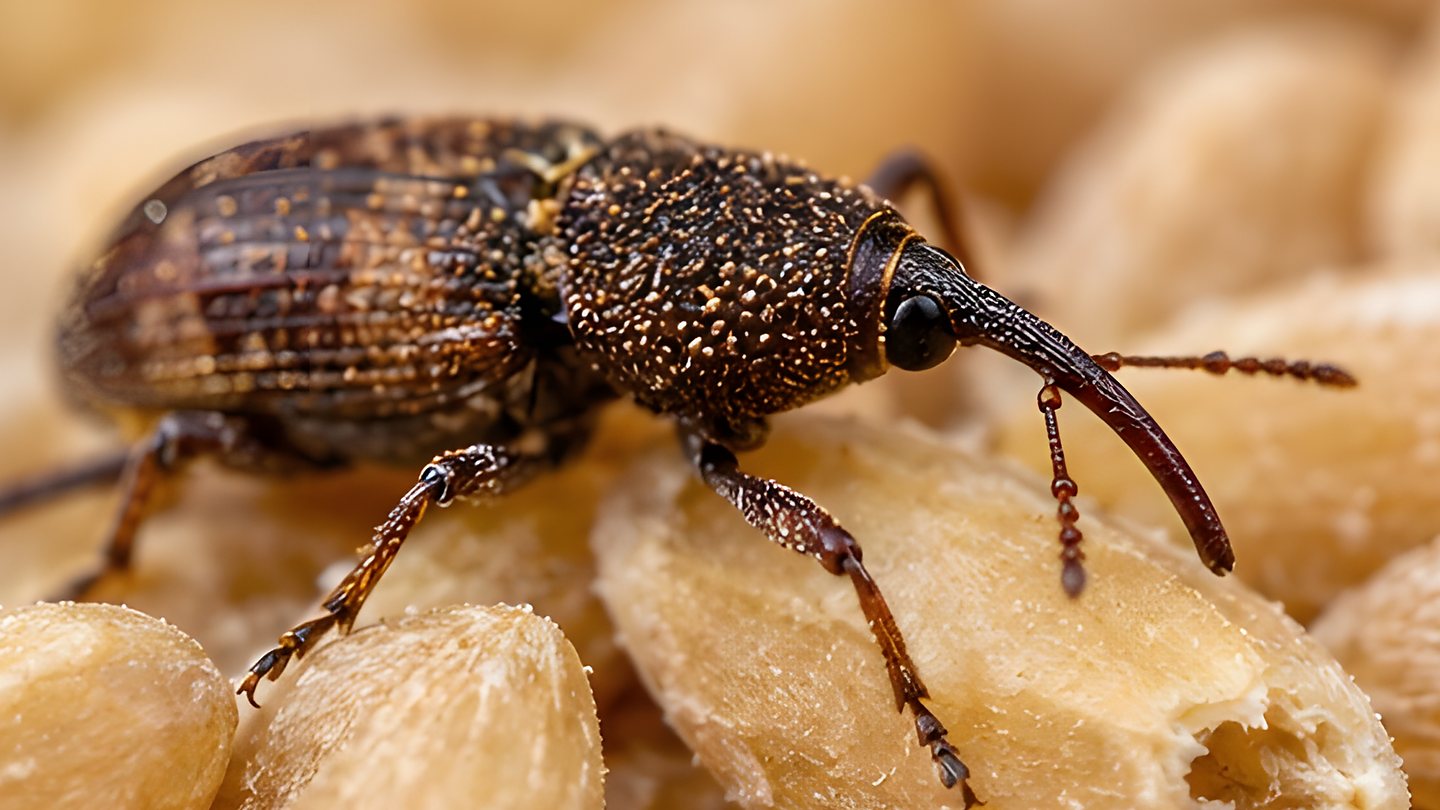
  • Grain weevil with a long snout on damaged wheat grains

    Grain weevil

    A dark weevil with a long snout. Its larvae develop inside whole grains and leave round exit holes.
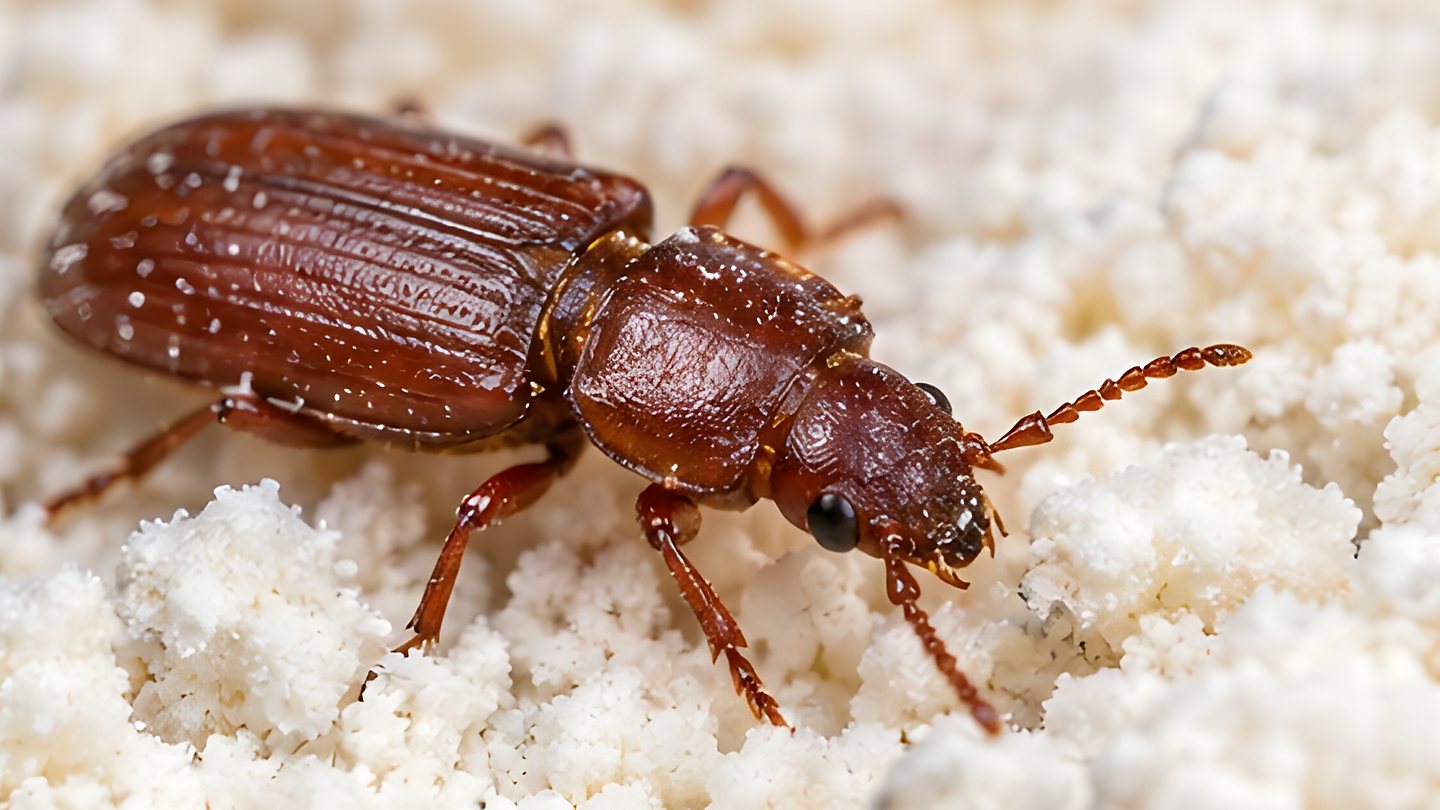
  • Red-brown flour beetle on a heap of flour

    Flour beetle

    A small red-brown beetle in flour, cereal and mixes. Heavy infestations leave a sharp smell and a grey tinge.
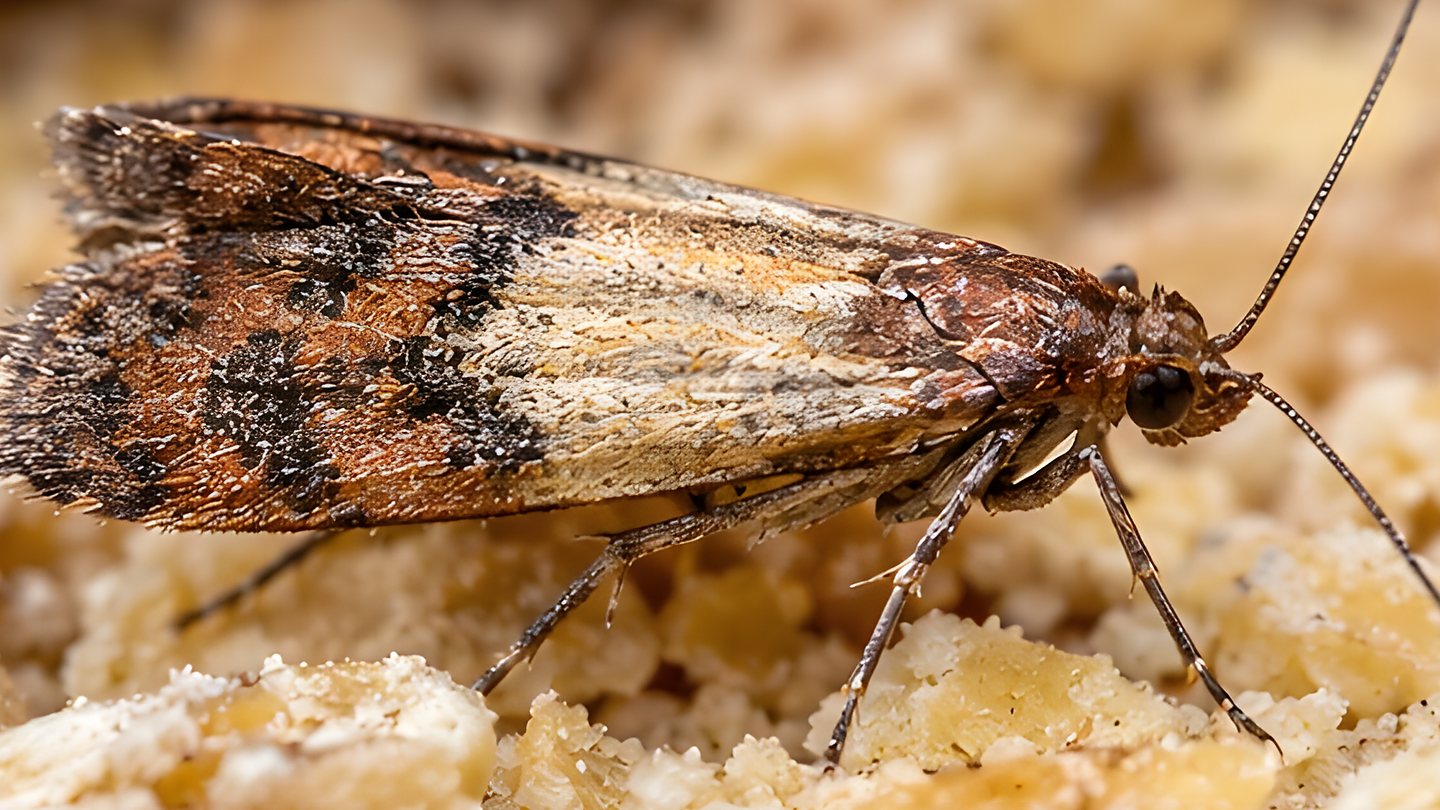
  • Pantry moth resting on crushed grain

    Pantry moth

    The common stored-food moth. Its larvae spin silk webbing through grain, nuts, dates and dried fruit.
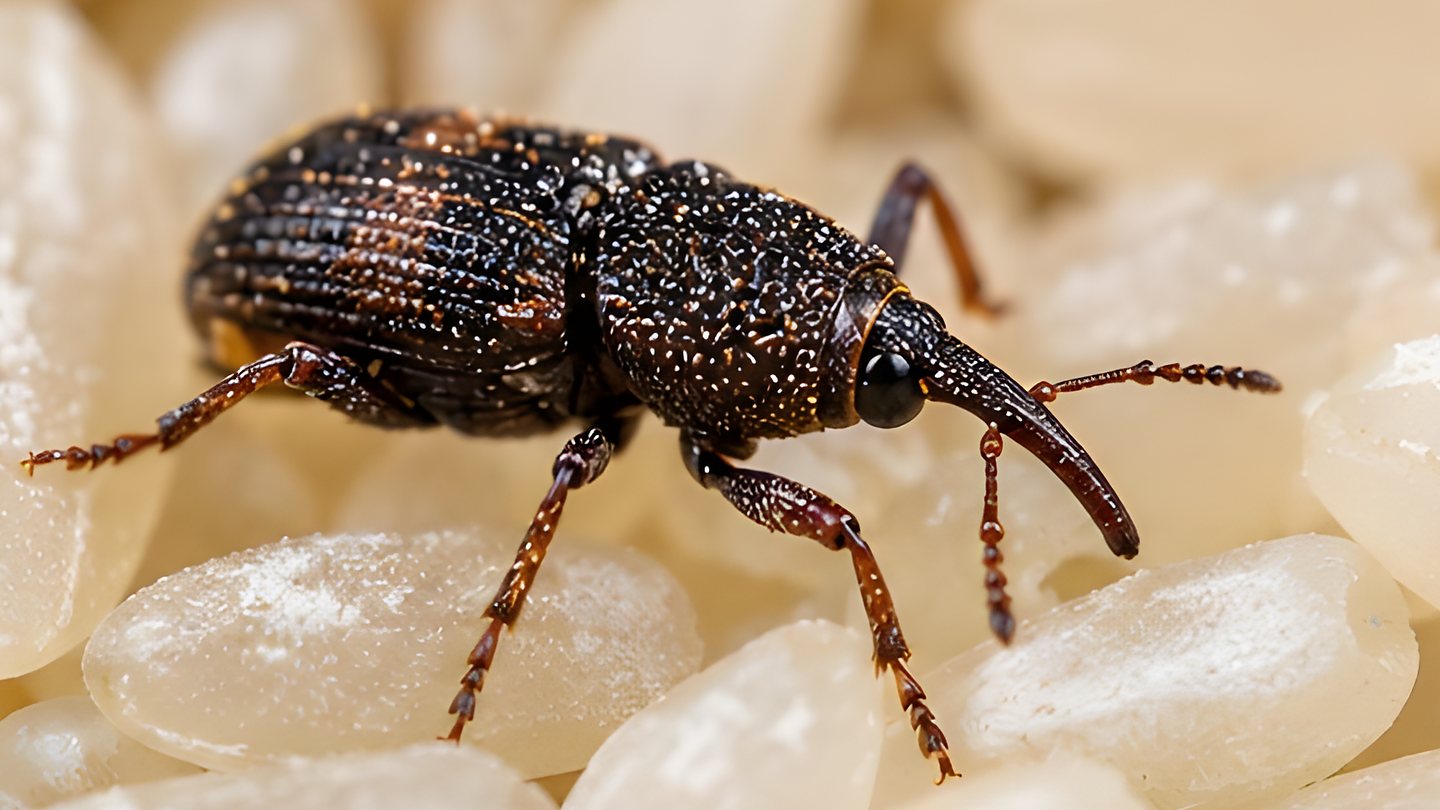
  • Rice weevil with pale spots on grains of rice

    Rice weevil

    Smaller than the grain weevil, with four pale spots on its back. Breeds inside rice, wheat and maize.

Why act now

Why infested stock cannot wait

  1. The infestation spreads through the store

    Stored-product insects breed inside bags and bulk and move from stack to stack. One infested consignment left in place seeds the rest of the warehouse or silo within weeks.

  2. Rejected shipments and downgraded stock

    Buyers, importers and inspectors reject cargo with live insects. Grain, flour and feed with holes, webbing and insect fragments is downgraded or destroyed, and the loss sits with the owner.

  3. Food and feed safety

    Insect fragments, frass and the heating and mould that follow an infestation affect the safety of food and animal feed. Food premises answer for this to municipality inspectors and the SFDA.

  4. Delays cost storage and shipping time

    An infested container or stack cannot be loaded, shipped or released until it is treated. Every day it waits adds storage and demurrage, and a late fumigation delays the whole schedule.

Options

Container, commodity and silo fumigation

The method and the size of the safety zone depend on what is being fumigated and where.

  • Container fumigation

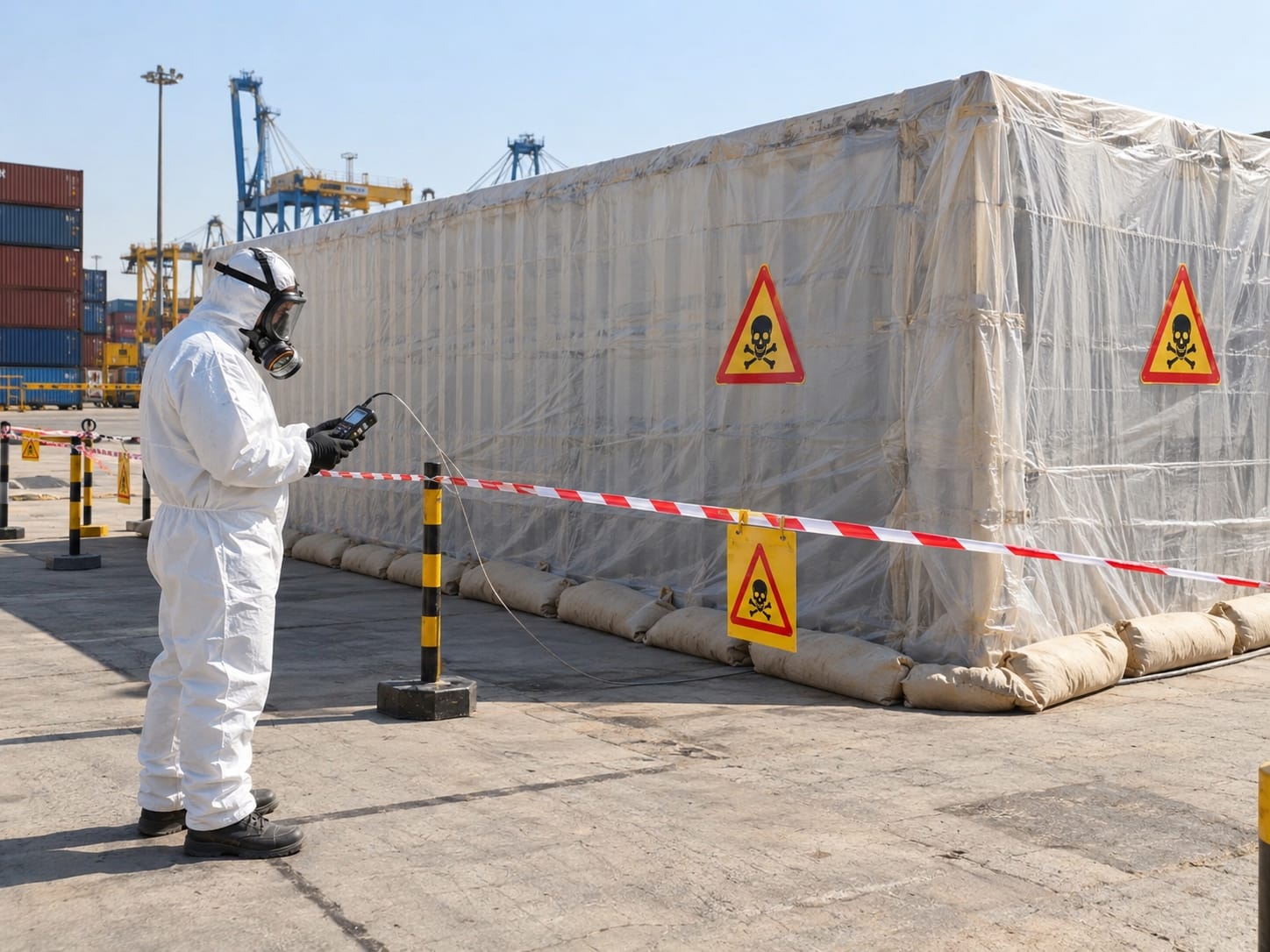
    For shipping containers and their cargo. The container is sealed and fumigated inside a marked safety zone, then ventilated before it is opened for unloading or onward shipping.

  • Commodity fumigation

    For bagged or stacked goods such as grain, flour and animal feed. Stacks are sheeted and sealed so the gas reaches every layer, while the rest of the store is kept clear of people.

  • Silo fumigation

    For grain held in silos and bulk storage. The silo is sealed and fumigated in place, then ventilated and checked before the stock is moved or released.

Method

How fumigation is carried out

Fumigation works with gas, so safety controls shape every step, from the first survey to the moment the area is cleared for re-entry.

  1. 01

    Survey

    We inspect the goods, container, silo or store, identify the pest and check how the area can be sealed and kept clear of people.

  2. 02

    Fumigation plan

    You receive a written plan covering the area to be sealed, the safety zone, timing and re-entry, agreed with your operations and HSE teams.

  3. 03

    Fumigation & monitoring

    The area is vacated, sealed and secured with warning signs. Only trained personnel in PPE enter, and gas levels are monitored throughout.

  4. 04

    Ventilation & re-entry

    The area is ventilated and checked before it is cleared for re-entry, and you receive storage and hygiene guidance to reduce the risk of reinfestation.

Why Eastern Alliance

Why clients choose us

  • Registered vendorOn the vendor registers of Saudi Aramco and the Royal Commission.
  • Quality-managed since 2004A documented quality management system, first certified to ISO 9001 in 2004.
  • Trained in-houseTechnicians trained at our own training centre on safe working and PPE.
  • Insured & guaranteedWork backed by insurance and a service warranty.

Where this service matters most

Safety before, during and after

The area being fumigated is vacated and secured with warning signs, and only trained personnel wearing PPE may enter. Gas levels are monitored throughout, and the area is ventilated and cleared before anyone goes back in or the goods are handled. Your technician will brief your team on the safety zone and the re-entry time.

Prevention

How to keep pests out of stored goods

Fumigation treats the stock you have now. What keeps the next consignment clean is the way the store is run between treatments.

  • Inspect goods on arrivalCheck bags, pallets and the inside of containers at receipt. Anything with live insects, webbing, holes or fine powder is isolated before it enters the store.
  • Rotate stock, oldest out firstInfestations start in the stock nobody has moved for months. Date every lot, clear the oldest first and do not top up old bins with new grain.
  • Keep floors and walls clean and drySpilled grain under racks, dust in corners and damp from a leaking roof or door feed and breed beetles and moths. Sweep spillage daily and fix leaks.
  • Leave inspection gapsKeep stacks off the floor on pallets and clear of walls, with aisles between them, so activity can be seen and one stack can be sheeted without moving the whole store.
  • Monitor between treatmentsInsect traps and a regular walk-through of the store show activity early, while a targeted treatment is still enough. We set them up as part of aftercare.
  • Proof doors, vents and docksBrush seals under doors, screens on vents and dock doors kept closed when not in use stop moths, beetles and rodents walking or flying in.

Price and quote

What decides the price of fumigation

There is no fixed rate per container or tonne: the quote follows the survey and covers the volume to be sealed, the time it needs and the safety controls around it.

  • Volume and type of goodsContainer, stack or silo size, and whether it is grain, flour, feed or packed goods.
  • Sealing workSheeting a stack, sealing a container or preparing a silo take different materials and labour.
  • Exposure timeSet by the pest, the commodity and the temperature, and by how soon the stock must be released.
  • Location and site rulesPort, warehouse or plant, access, and any permit-to-work or out-of-hours requirements.

Inspection first, then an itemised quote with no hidden extras.

Request a quote

Tell us what you are seeing and where. A coordinator will call you back to arrange a survey.

Saudi mobile or landline, e.g. 05X XXX XXXX

Preferred contact method

FAQ

Frequently asked questions

When is fumigation needed instead of a regular treatment?
When pests are inside the goods themselves, deep in stacks, or spread through a sealed container or silo. Pests on surfaces, in rooms or around a building are usually better handled with targeted treatment and monitoring; the survey decides which is right.
Does the area need to be vacated during fumigation?
Yes. The fumigated area and the safety zone around it are vacated and secured with warning signs. Only trained personnel in PPE may enter until the area has been ventilated and cleared for re-entry.
How long does fumigation take?
It depends on the commodity, the volume, the temperature and the pest. Your plan sets out the expected fumigation and ventilation time, so you can schedule loading, shipping or production around it.
What information do you need to plan a fumigation?
The type and quantity of goods, how they are packed or stored, the size of the container or silo, the pest you have seen and when the stock must be released. We confirm the details during the survey.
Does fumigation stop pests coming back?
Fumigation treats the pests present at the time, but the gas does not stay behind to protect the stock once the area is ventilated. Clean storage, monitoring and proofing keep pests out, and we advise on all three as part of aftercare.
Which pests does fumigation treat?
Stored-product insects in every stage: weevils, flour and grain beetles, grain moths and their larvae and eggs inside the goods. It also reaches wood-boring beetles in packing timber, pallets and crates, which a surface treatment cannot. The survey confirms the pest before the plan is written.
Can you fumigate at a port, container yard or inside our plant?
Yes, wherever the container, stack or silo can be sealed and a safety zone kept clear of people. We work under the site's permit-to-work system and HSE rules, and plan the timing with your operations team so loading and production carry on around the zone.
What documents do we receive after the fumigation?
A written report of the job: the area or goods treated, the product used, the exposure period, the ventilation and clearance check, and recommendations for storage. It goes into your quality or HSE file and answers the questions buyers and inspectors usually ask.
Can the goods be used or shipped straight after fumigation?
Once the area has been ventilated and the clearance check is passed, yes, within the holding time stated in your plan for that commodity. The gas does not stay behind in the goods as a protective layer, so clean storage and monitoring take over from there.

Industrial pest control

Pest control for plants, refineries, warehouses, ports and camps, run under permit-to-work and HSE rules with documentation for audits.

View service

Wood-boring beetle treatment

Powder-post and other wood-boring beetles in doors, furniture, flooring, roof timbers and pallets, treated on the surface and by injection.

View service

Rodent control

Rats and mice removed, entry points sealed, and bait stations monitored on schedule.

View service

Commercial pest control

Scheduled, documented pest control for offices, malls, hotels, restaurants, hospitals, schools and government buildings.

View service

Annual maintenance contracts

Scheduled visits, monitoring, treatment as needed and a report after every visit, under one contract for the year.

View service