Eastern Alliance — Home
Termite control by Eastern Alliance

Termite control · Pre & post construction

Termite control

Stop termites before they reach the structure.

Subterranean termites work out of sight, in soil, walls and timber. We treat building plots before the slab is poured, and inspect and treat existing buildings, so the damage never gets the chance to start.

  • Pre-construction soil treatment
  • Post-construction inspection & treatment
  • Physical barrier options

Service areas:Al KhobarDammamRiyadhJeddahJubailJizanTabukall of Saudi Arabia

When to call us

Signs you may have termites

Termites are rarely seen until the damage is done. These are the early warnings our technicians look for during a survey:

  • Mud tubes on walls, foundations or around pipe entries
  • Hollow-sounding or blistered timber, door frames and skirting
  • Discarded wings near windows and doors after a swarm
  • Doors and windows that suddenly start to stick
  • Fine soil or debris collecting in cracks

Scope

What we protect

  • New builds and foundations
  • Villas and residential compounds
  • Commercial and government buildings
  • Timber fittings, furniture and stored materials
  • Gardens and perimeter soil

Know the pest

What termites and their damage look like

Most owners see the damage or a swarm long before they see a termite.

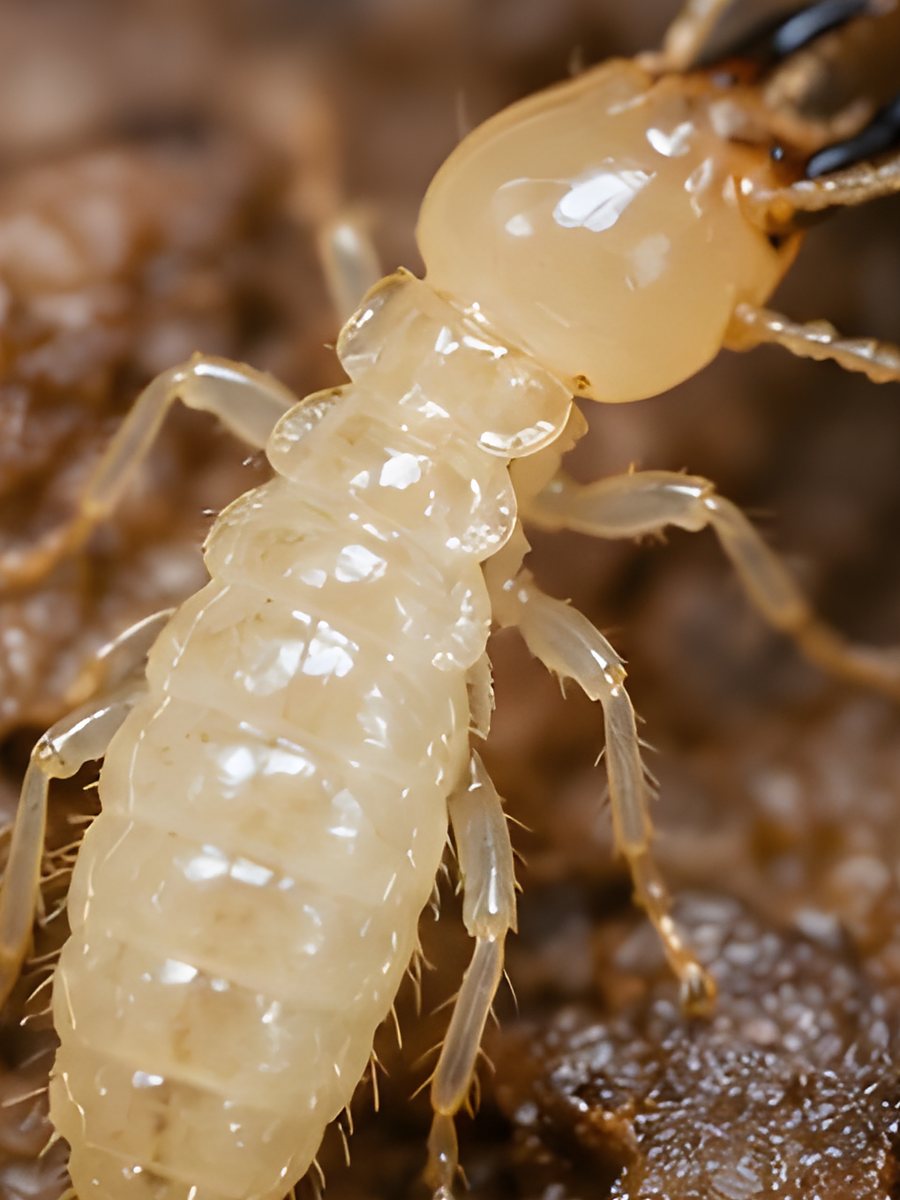
  • Pale, soft-bodied termite worker on damp wood

    Worker

    Pale, soft-bodied and about 4–6 mm long. Workers eat the wood, and they are what you find inside damaged timber.
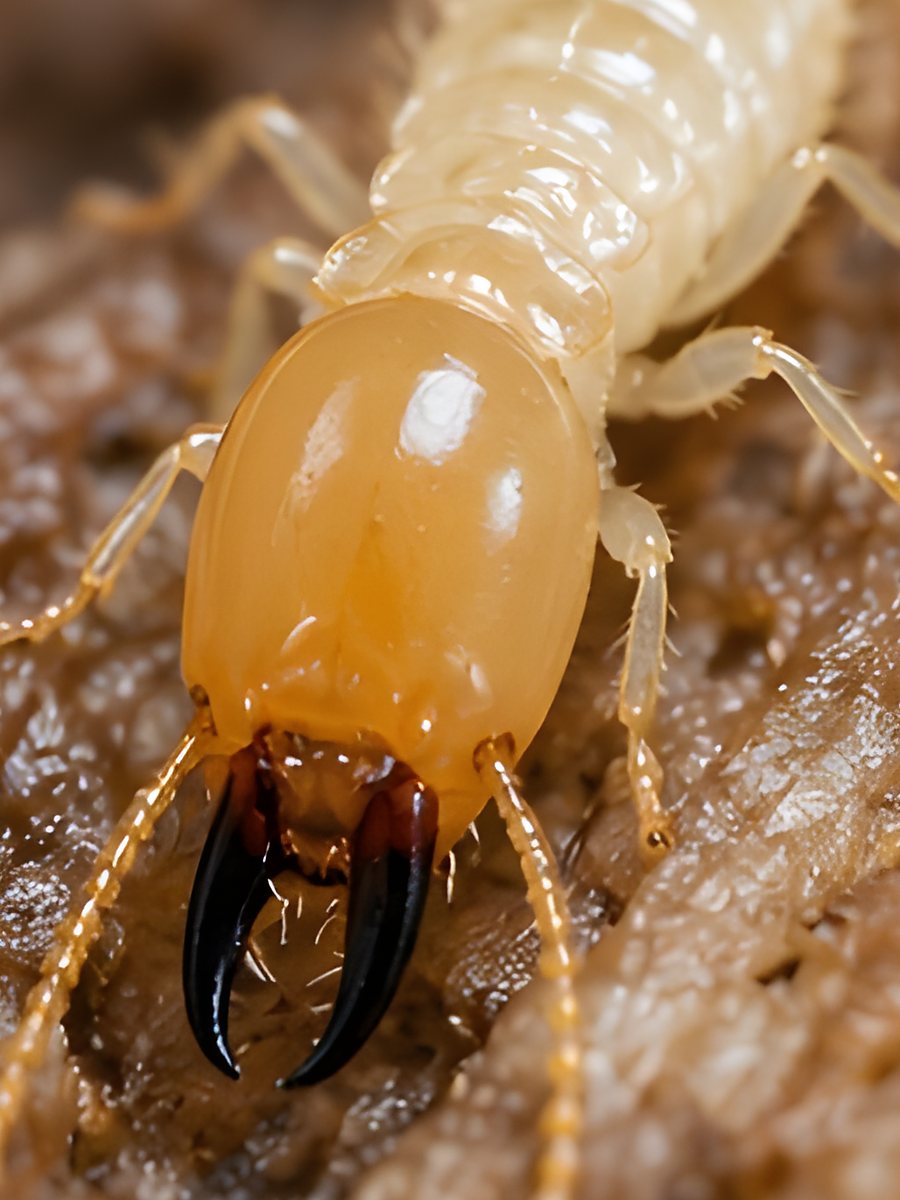
  • Termite soldier with an orange-brown head and large dark jaws

    Soldier

    A larger orange-brown head with strong dark jaws. Soldiers guard any break in the tunnels.
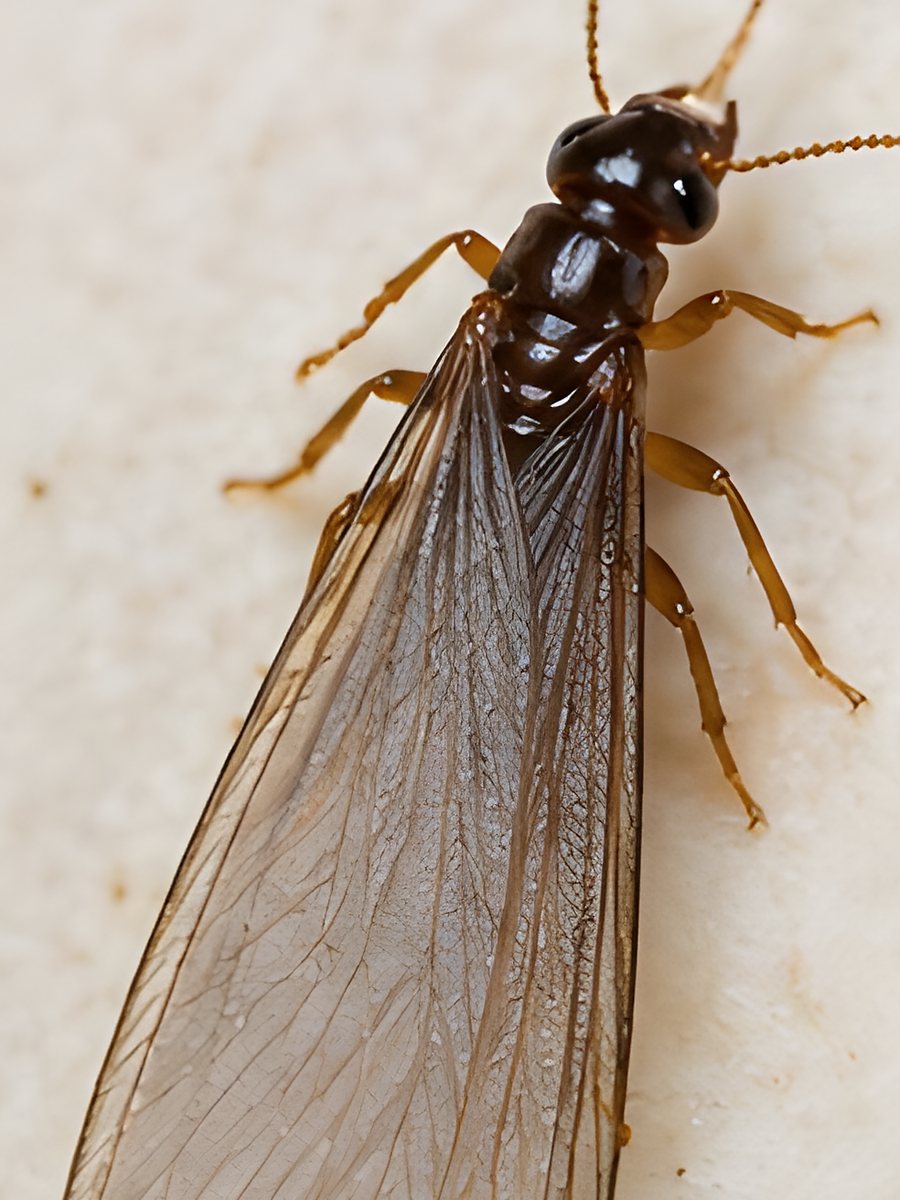
  • Winged termite with long wings of equal length on a pale surface

    Winged swarmer

    A dark body and four wings of equal length that drop off soon after the flight. Swarms often follow rain and gather near lights.
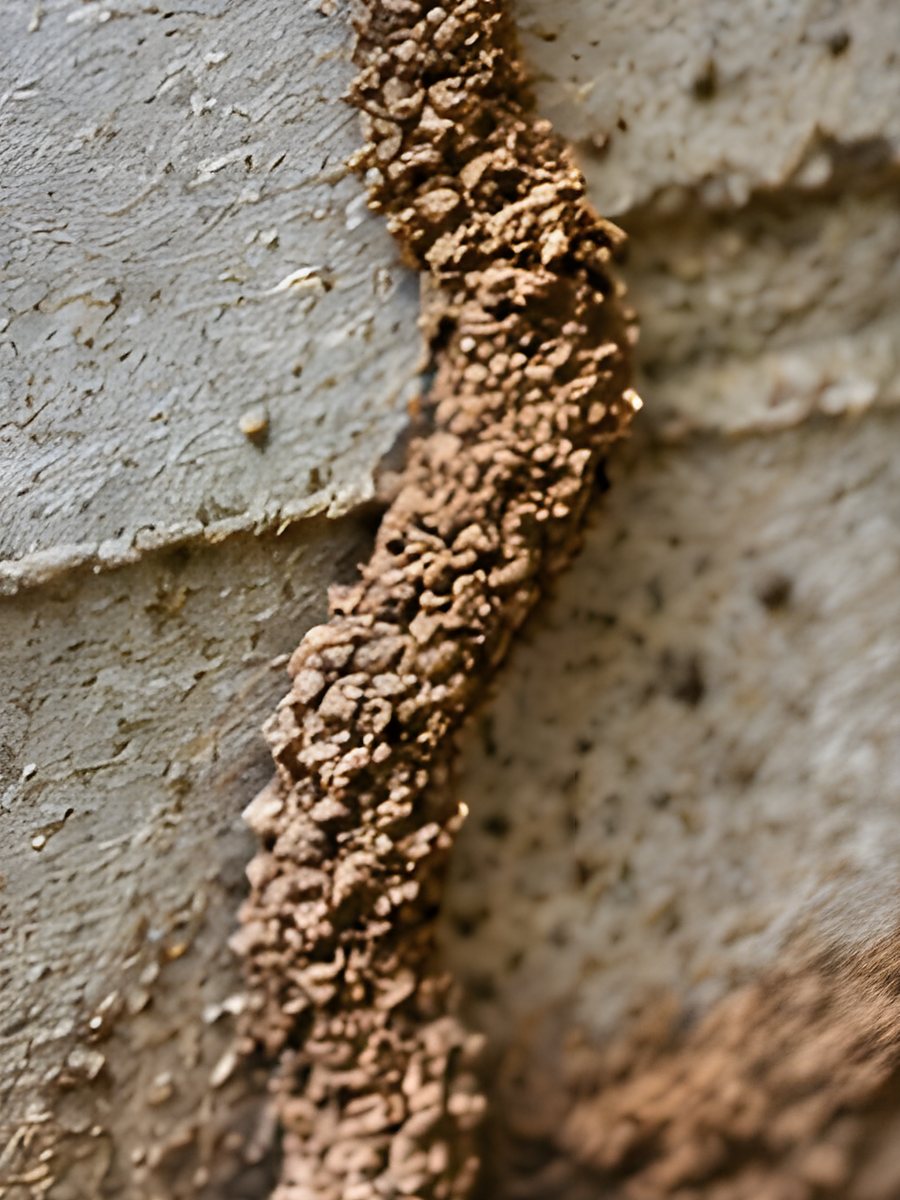
  • Termite mud tube climbing a concrete block wall from the soil

    Mud tubes

    Pencil-wide tunnels of soil on walls, foundations and pipes. Termites use them to travel between the soil and the wood.
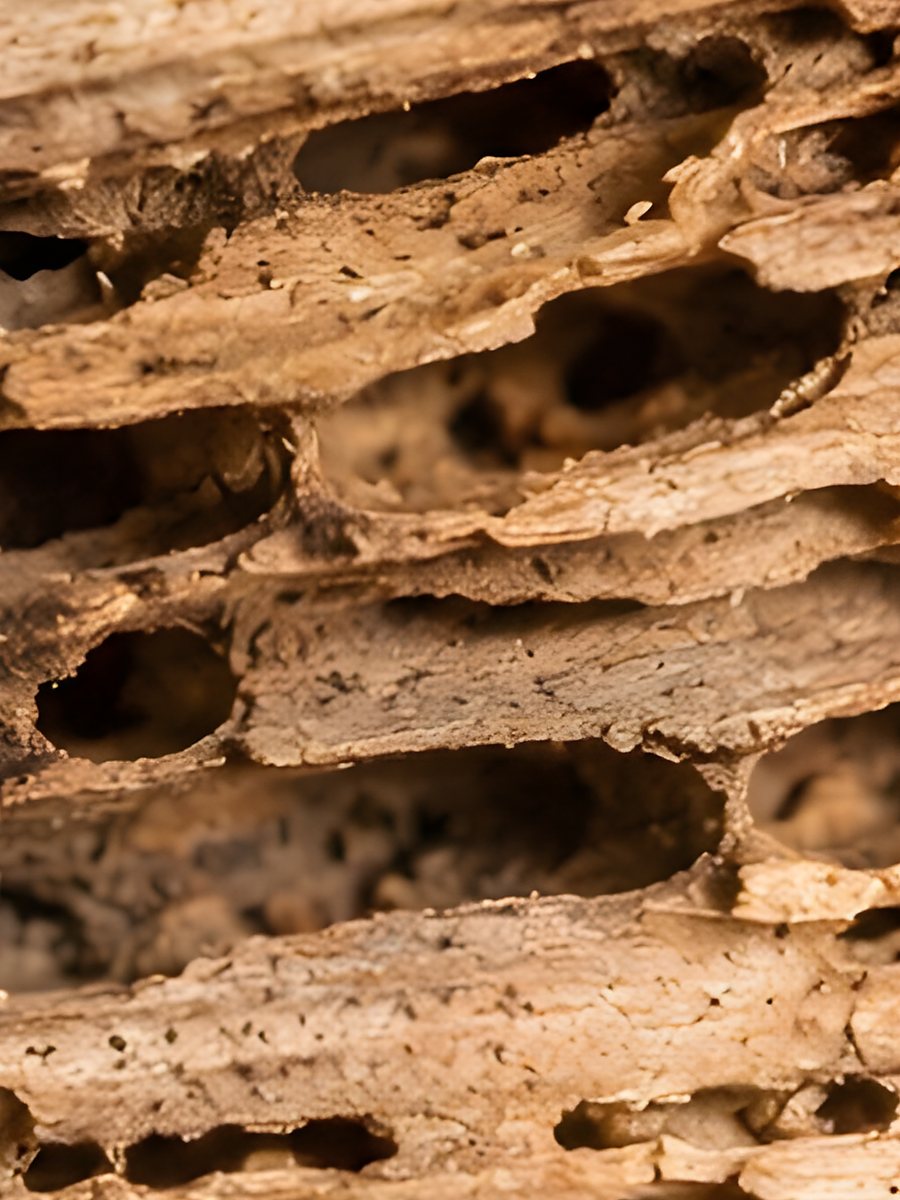
  • Timber hollowed out by termites into layered galleries

    Damaged wood

    Timber that sounds hollow, with layered galleries packed with soil inside. The damage often hides behind paint or skirting.

Why act now

Why termites cannot wait

  1. Damage you cannot see

    Termites eat timber from the inside and travel through walls in sealed mud tubes, so door frames, skirting and cabinets can be hollow long before anything shows.

  2. Repairs cost more than treatment

    Replacing structural timber, built-in joinery and flooring costs many times more than treating the colony when it is first found.

  3. The colony keeps growing

    A subterranean colony holds hundreds of thousands of workers and forages up to tens of metres from the nest. Left alone, it reaches new rooms and neighbouring buildings.

  4. It affects the value of the property

    Buyers, tenants and insurers ask about termite history. An untreated infestation lowers the value of a villa or commercial building and complicates a sale.

Options

Pre- and post-construction treatment

The right method depends on the stage of the building.
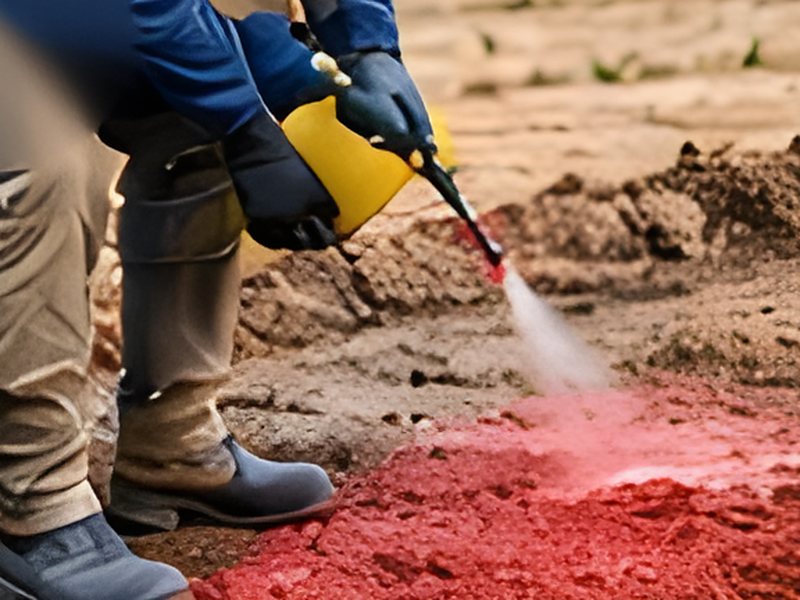
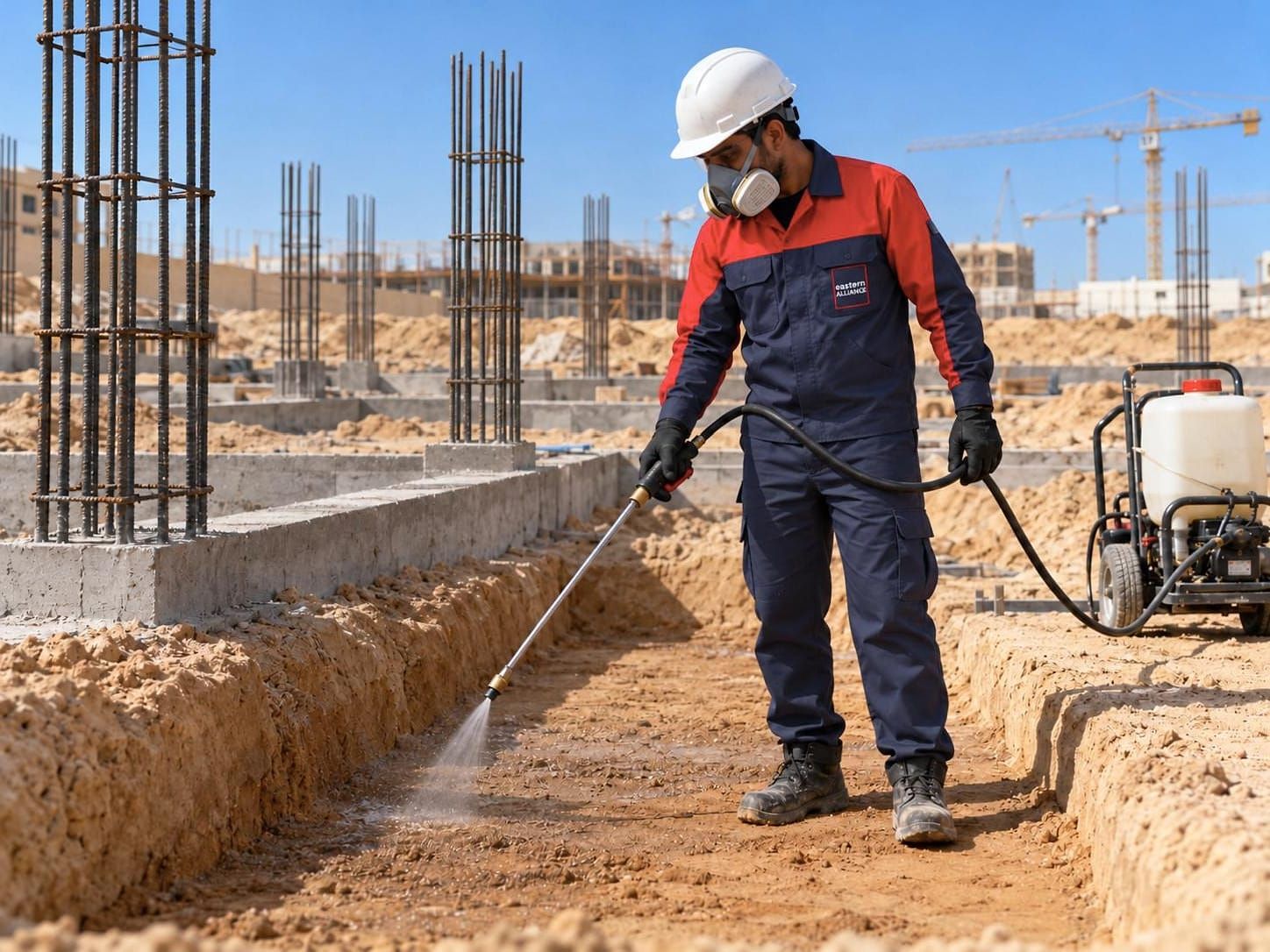
  • Technician spraying termiticide onto the soil of a building plot before the slab is poured

    Pre-construction

    Applied to the soil before the foundation slab is laid, creating a treated zone between the building and termite colonies. We coordinate with your contractor so the soil is treated at the right stage.
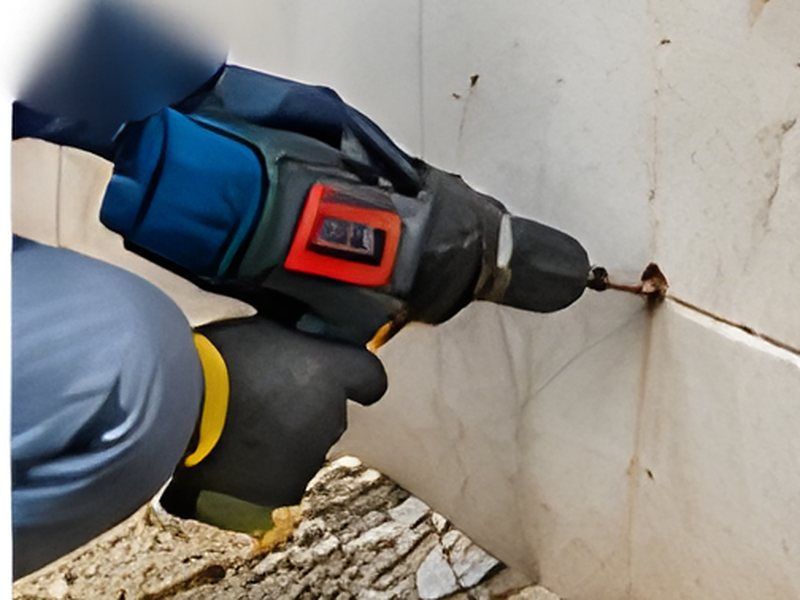
  • Technician drilling a small injection hole at the base of a wall

    Post-construction

    For existing buildings: we drill small holes at the points of activity and inject termiticide to reach the colony, treat walls, floors and entry points, and advise on the moisture and timber contact that attract termites.
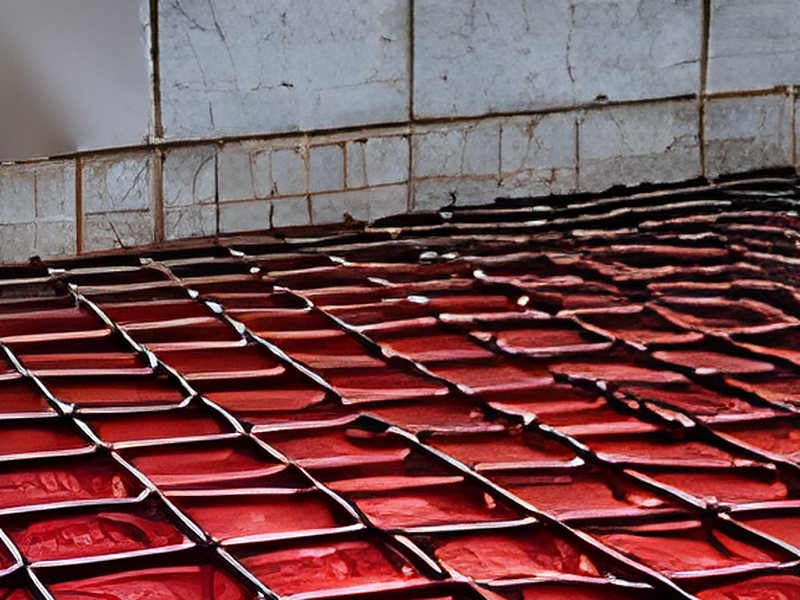
  • Mesh laid over treated soil where a floor slab will be poured

    Physical barriers

    Where suitable, stainless-steel mesh and similar barriers block termite entry points during construction.
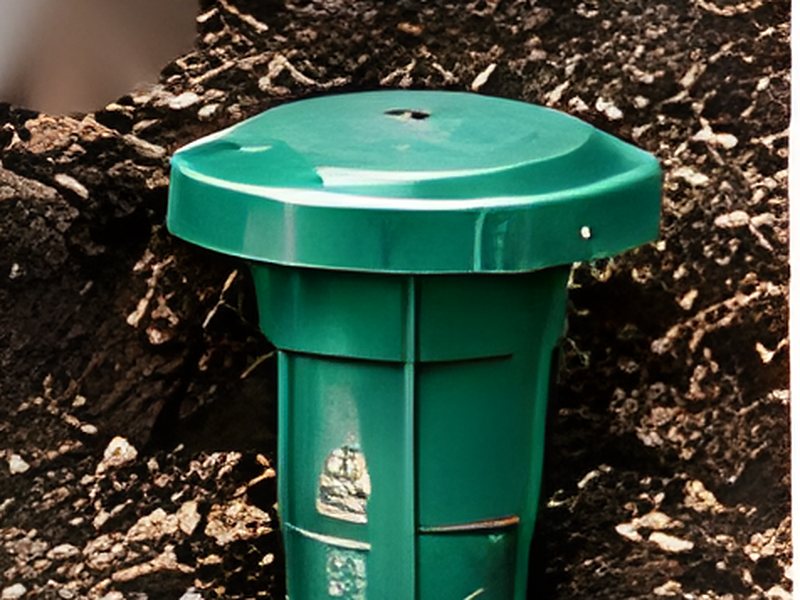
  • Green termite monitoring and bait station set into the soil

    Baiting and monitoring

    Monitoring and bait stations set into the soil around the building. We check them on scheduled visits; where termites feed, the bait they carry back works through the colony over time.

Method

How termite treatment works

Every termite job follows the same four steps; the treatment and barrier type depend on what the survey finds.

  1. 01

    Site survey

    We inspect the plot or building, check soil, walls, timber and service entries, and map activity and risk areas.

  2. 02

    Treatment plan

    You receive a written scope — pre-construction soil treatment, post-construction treatment points or a physical barrier — timed to fit your build programme.

  3. 03

    Treatment

    Trained technicians treat the soil, foundations and entry points, or install the barrier, wearing the correct protective equipment.

  4. 04

    Monitoring & aftercare

    Follow-up inspections confirm the colony is under control, backed by our service warranty.

Why Eastern Alliance

Why clients choose us

  • Free termite inspectionBook a free inspection: we confirm whether termites are active before quoting, and the survey decides the method.
  • Earth-friendly productsChosen and applied to protect people, pets and the environment.
  • Insured & guaranteedTreatment backed by insurance and a service warranty.
  • Trained in-houseTechnicians trained at our own training centre on termite behaviour and treatment.

Before and after treatment

For pre-construction work, keep the treated area undisturbed until the slab is poured. In existing buildings, your technician will explain which rooms to clear, how long to stay out of treated areas and what not to clean so the treatment keeps working.

Prevention

How to keep termites out

Termites need soil, moisture and wood in contact with each other. Breaking that chain is most of the work.

  • Keep timber off the soilStore firewood, pallets and formwork offcuts off the ground and away from walls; remove buried timber left from construction.
  • Fix leaks and damp quicklyRepair dripping taps, AC drain lines and leaking pipes; termites follow moisture into foundations and walls.
  • Keep irrigation away from wallsPlanters and sprinklers right against the house keep the soil beside the foundation damp. Leave a dry strip around the building.
  • Seal cracks and service entriesFill cracks in slabs and render, and seal around pipes and cables where they enter the building.
  • Inspect once a yearA yearly check of skirting, door frames, store rooms and the garden boundary catches activity before damage shows.
  • Treat before you buildPre-construction soil treatment and physical barriers are the cheapest protection a building will ever get.

Price and quote

What decides the price of termite treatment

There is no single rate: the quote follows the survey, so you pay for the treatment your building needs and nothing more.

  • Size of the building or plotThe built-up area and perimeter to be treated.
  • Stage of constructionSoil treatment before the slab, or drilling and injection in a finished building.
  • How far the infestation has spreadPoints of activity found, timber affected and access to them.
  • Treatment method and follow-upChemical barrier, physical barrier or a combination, and the monitoring visits agreed.

The termite inspection is free, and the quote is itemised with no hidden extras.

Request a quote

Tell us what you are seeing and where. A coordinator will call you back to arrange a survey.

Saudi mobile or landline, e.g. 05X XXX XXXX

Preferred contact method

FAQ

Frequently asked questions

Is the termite inspection free?
Yes. Call us or request a quote online to book a free termite inspection. The technician checks for activity and explains the treatment options before you commit to anything.
When should pre-construction termite treatment be done?
After excavation and levelling, and before the foundation slab or flooring is poured. We coordinate the visit with your contractor so the soil is treated at the right stage.
Can you treat termites in an existing villa or building?
Yes. After inspecting walls, floors, timber and service entries, we treat the points of activity and advise on the moisture and wood contact that attract termites.
How long does termite protection last?
It depends on the treatment type, soil conditions and any later works on the site. Regular follow-up inspections are the most reliable way to keep protection in place; your technician will recommend an interval.
Do you treat powder post beetles and other wood-boring insects?
Yes. Wood-boring beetles are assessed during the survey and treated as part of a wood-protection plan.
Do we need to leave the property during treatment?
Usually not for targeted treatments. Your technician will tell you which areas to keep clear and for how long.
Is termite treatment safe for my family and pets?
Yes, when it is done properly. The products are applied in the soil and at the points of activity, not in living spaces, and your technician tells you which areas to keep clear and for how long.
Can termites come back after treatment?
A treated zone stops the colony reaching the building, but new colonies forage from neighbouring soil and later works can break the barrier. Follow-up inspections and keeping timber and moisture away from the walls keep the protection working.
How long does the treatment take?
Pre-construction soil treatment is usually completed in a day, in step with the contractor. Treating an existing villa takes a day to two depending on size and the points of activity found.

Wood-boring beetle treatment

Powder-post and other wood-boring beetles in doors, furniture, flooring, roof timbers and pallets, treated on the surface and by injection.

View service

Residential pest control

One programme for villas, apartments and compounds: inspection, targeted treatment and follow-up, safe around children and pets.

View service

Commercial pest control

Scheduled, documented pest control for offices, malls, hotels, restaurants, hospitals, schools and government buildings.

View service

Industrial pest control

Pest control for plants, refineries, warehouses, ports and camps, run under permit-to-work and HSE rules with documentation for audits.

View service

Fumigation services

Container, commodity and silo fumigation, carried out inside controlled safety zones.

View service

Annual maintenance contracts

Scheduled visits, monitoring, treatment as needed and a report after every visit, under one contract for the year.

View service

Learn more about the pest

Termites

How to recognise subterranean and drywood termites, the mud tubes and swarms that give them away, and what keeps them out of a building.

Read the guide