Eastern Alliance — Home
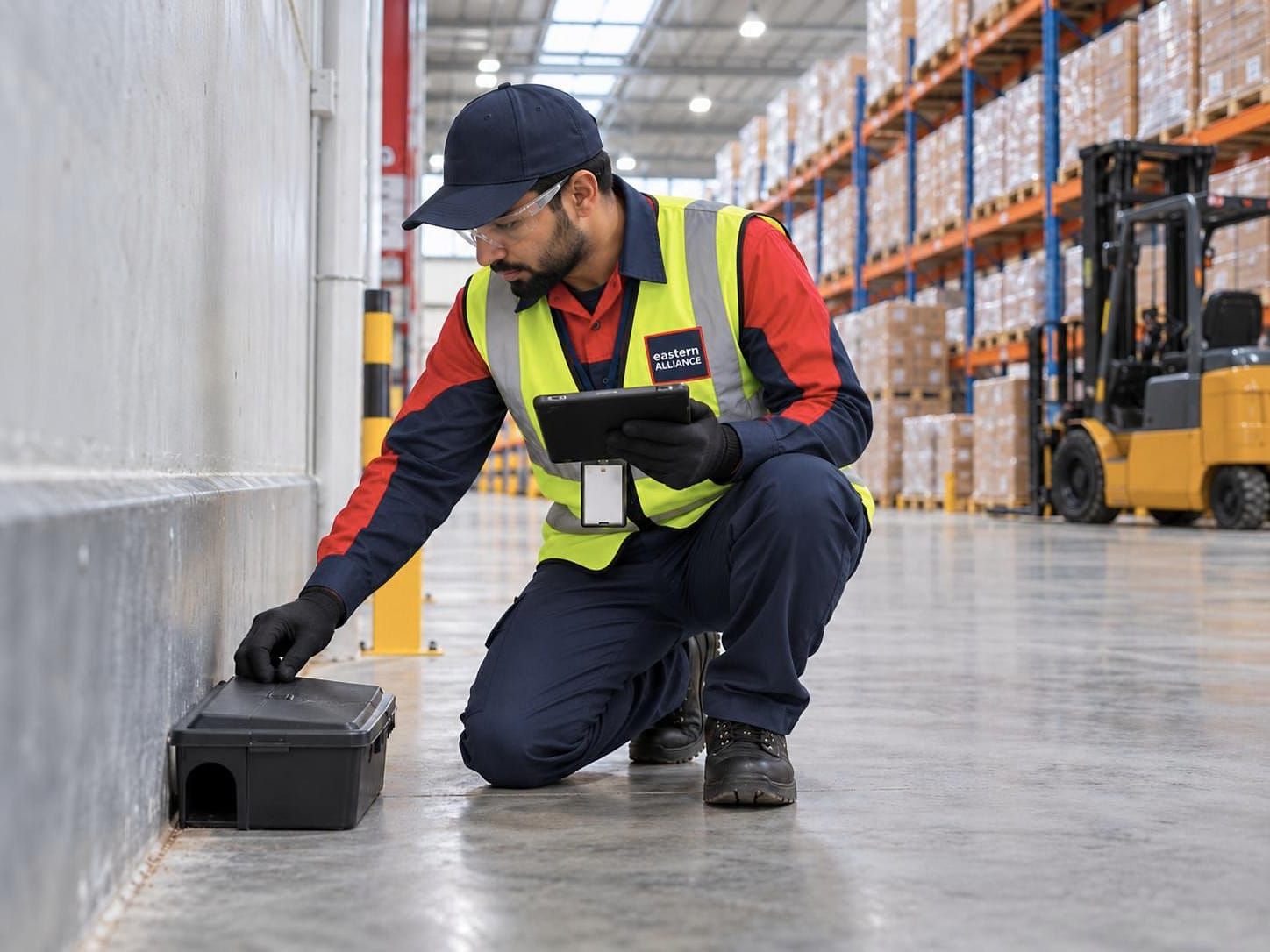
Eastern Alliance technician servicing a monitoring station during a scheduled visit to a commercial site

Fly control · Kitchens, food sites, waste areas & farms

Fly control

Stop flies at the waste and drains they come from.

Flies in a kitchen, restaurant or food plant are a hygiene finding waiting to happen. Swatting and sprays treat the symptom; the breeding material in bins, drains and grease traps keeps producing more. We find and remove the sources, trap and treat the adults, and leave you the records a municipality or SFDA inspector expects to see.

  • Source reduction: waste, drains, grease traps
  • Fly traps & ribbons
  • Records for municipality & SFDA inspections

Service areas:Al KhobarDammamRiyadhJeddahJubailJizanTabukall of Saudi Arabia

When to call us

Signs of a fly problem

A few flies at the door are normal in summer. Flies that keep appearing indoors, or that gather in one place, mean they are breeding on site. These are the signs our technicians act on:

  • House flies on worktops, bins and food, especially in the afternoon heat
  • Small dark flies rising from floor drains, sinks or grease traps
  • Tiny flies around fruit, juice stations, drink dispensers or recycling bins
  • Large metallic blue or green flies near meat, waste rooms or a dead animal
  • Maggots in bins, under equipment or in spilled food
  • Fly specks on walls, lamps and ceilings, or a note in an inspection report

Scope

Flies and sites we cover

  • House flies breeding in waste, manure and spilled food
  • Drain flies breeding in the slime film inside drains and grease traps
  • Fruit flies around fermenting fruit, drinks and recycling
  • Blow flies drawn to meat, fish and dead animals
  • Restaurants, central kitchens, cafés and bakeries
  • Food factories, cold stores and packing lines
  • Waste rooms, bin stores, loading bays and markets
  • Livestock units, poultry houses, dairies and farm sites

Know the pest

Flies we control

Each fly breeds somewhere different, and finding that source is most of the treatment.

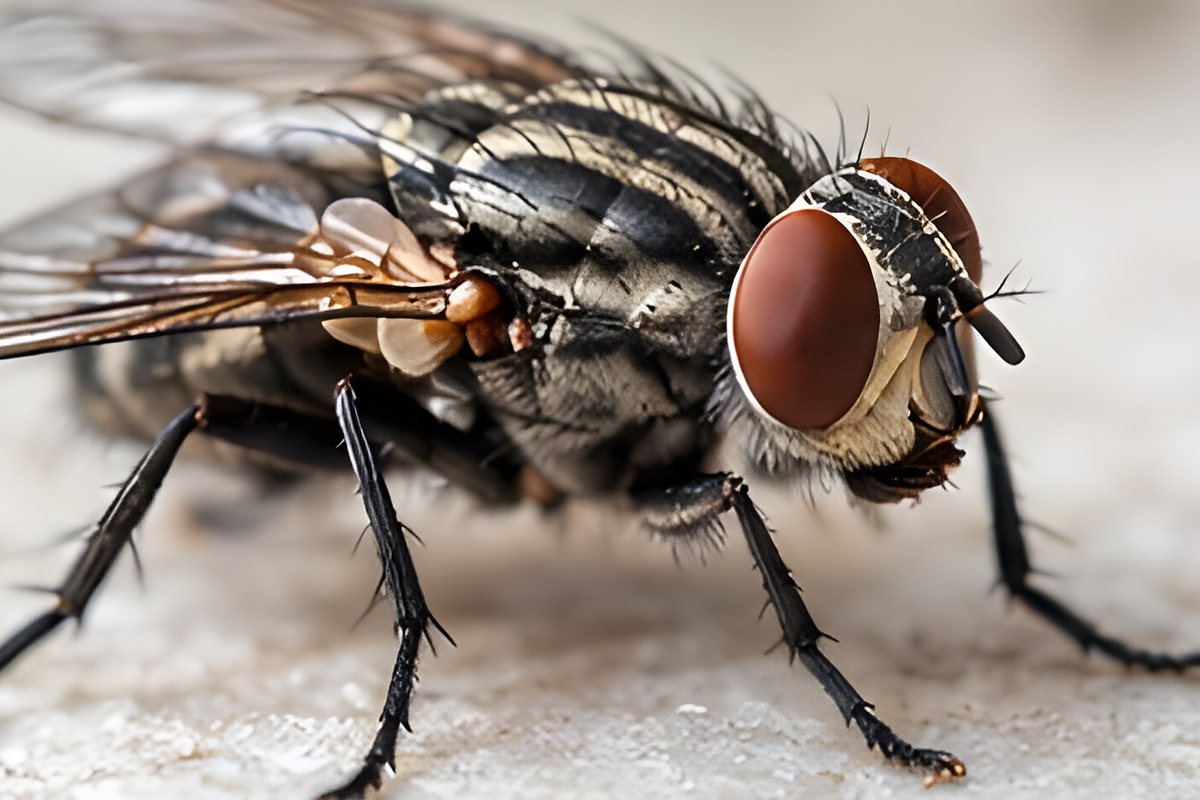
  • House fly with a grey striped thorax and red eyes, close up on a pale surface

    House fly

    The common grey fly with four dark stripes on the thorax. Breeds in waste and manure and carries bacteria onto food.
  • Small tan fruit fly with red eyes on the surface of ripe fruit

    Fruit fly

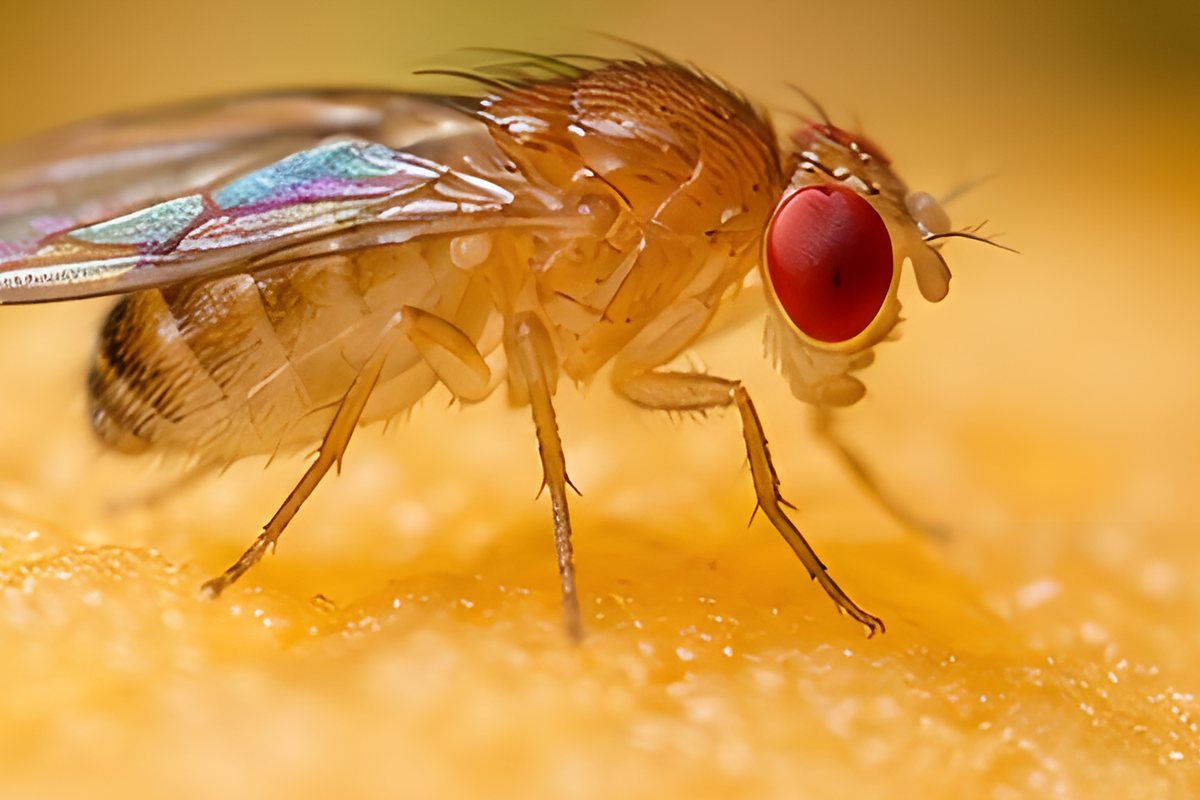
    Small and tan, with red eyes. Breeds in ripe fruit, spilled drinks and the slime in kitchen drains and bins.
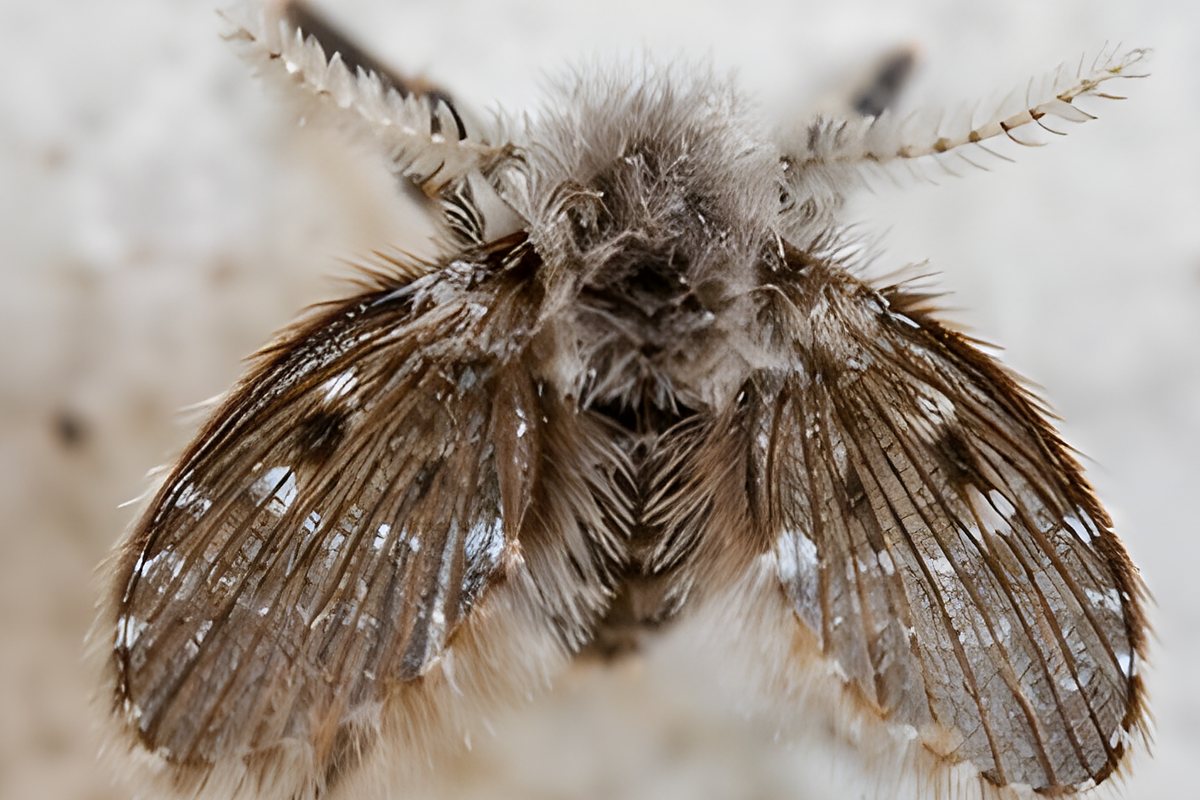
  • Furry, moth-like drain fly with its wings spread on a pale wall

    Drain fly

    Tiny, furry and moth-like, resting on walls near sinks and floor drains. Breeds in the organic sludge inside drains.
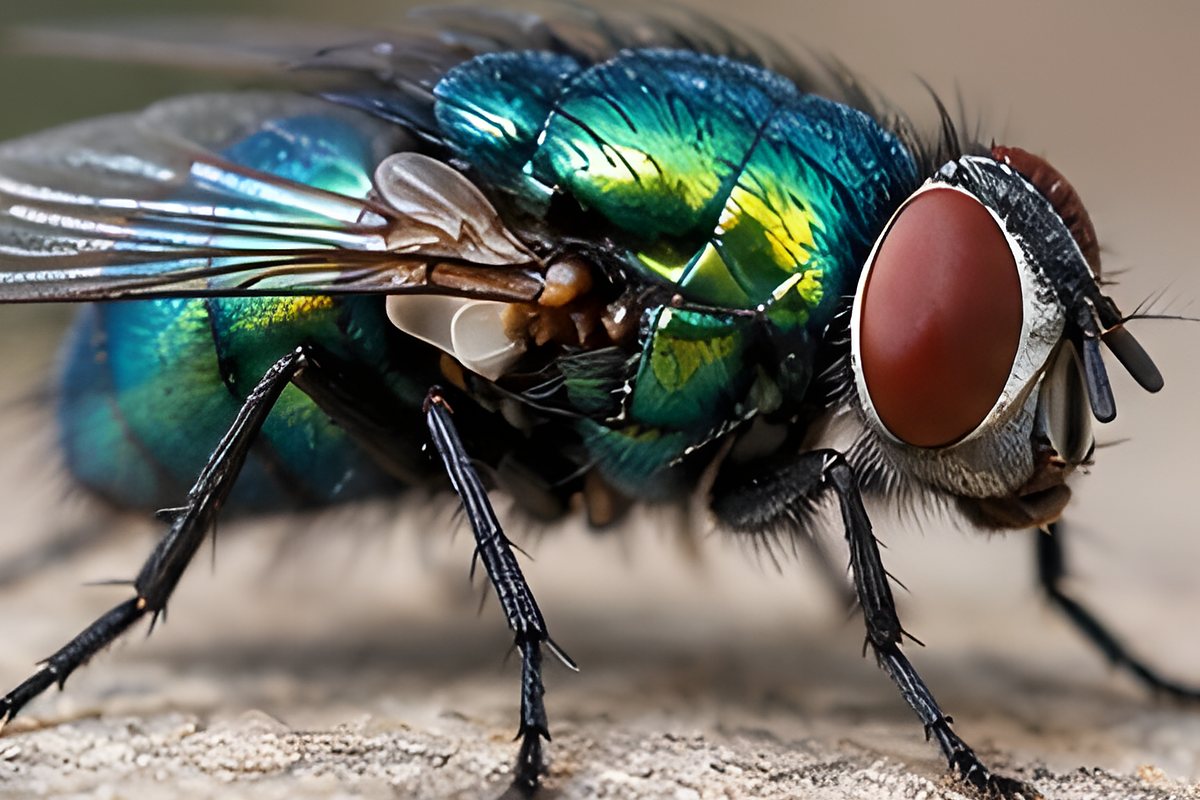
  • Metallic green blow fly with red eyes, close up

    Blow fly

    Large and metallic green or blue. Drawn to meat, fish, dead animals and waste, and often a sign of a carcass in a void or a dirty bin.
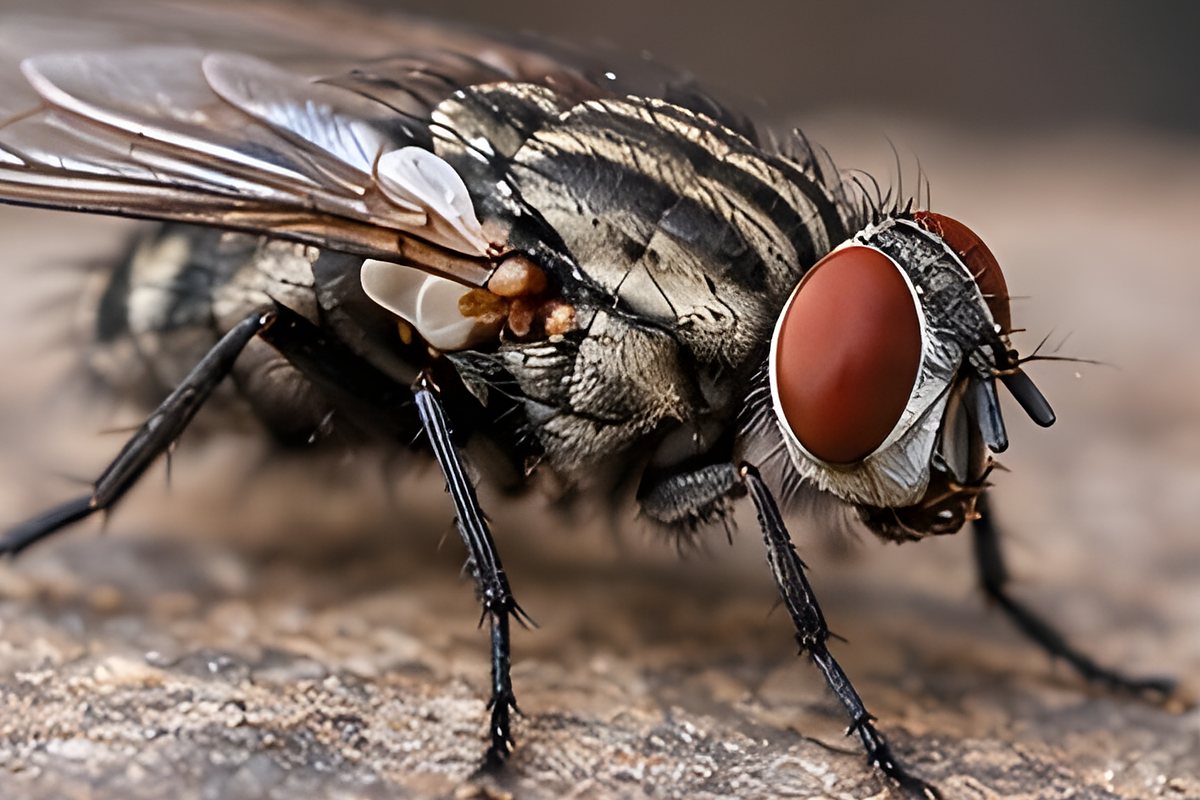
  • Grey flesh fly with a striped thorax and red eyes on a rough surface

    Flesh fly

    Grey, with a chequered abdomen and red eyes, larger than a house fly. Breeds in meat and animal waste and lays live larvae.
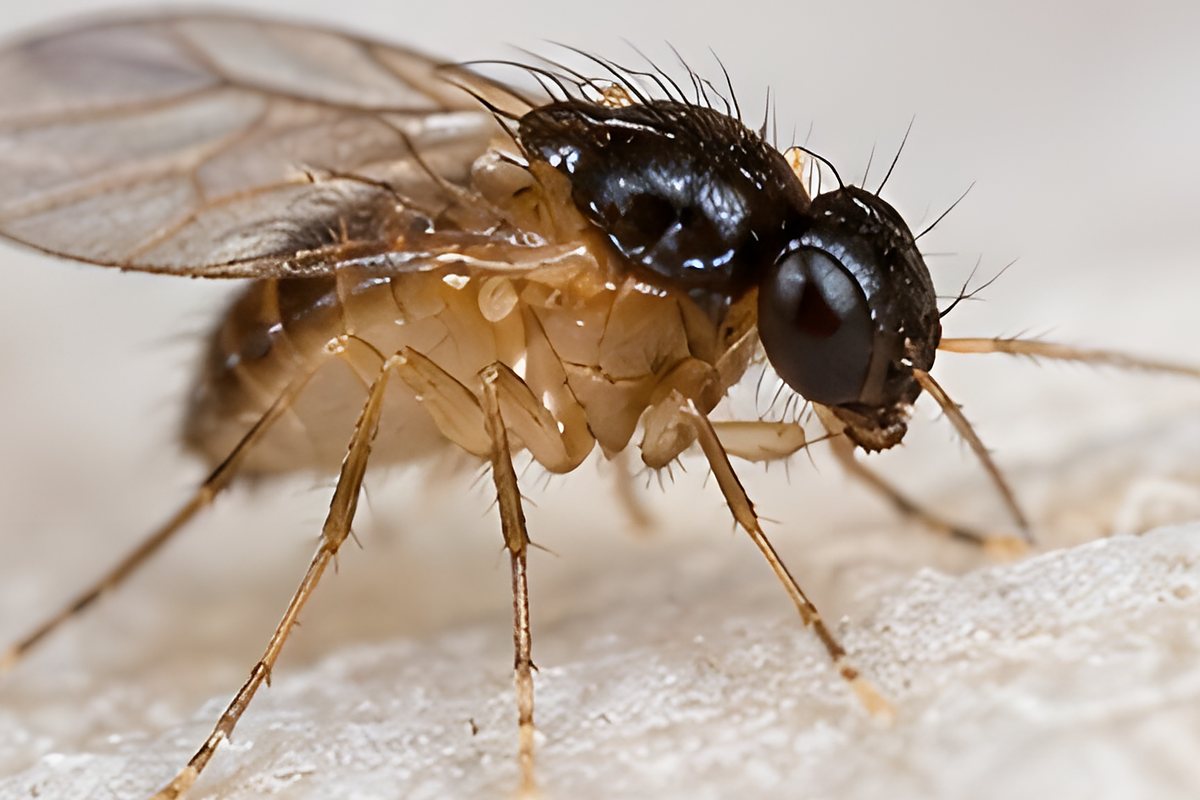
  • Small humpbacked phorid fly on a pale surface

    Phorid fly

    Small and humpbacked, running across surfaces in short bursts instead of flying. Breeds in decaying matter in drains, broken pipes and soil.

Why act now

Why flies cannot wait

  1. Contaminated food

    Flies feed on waste and faeces, then land on food and worktops, carrying bacteria on their feet and in what they regurgitate. A fly problem is a food-safety problem.

  2. Inspection findings and closures

    Municipality (Balady) inspectors and SFDA requirements treat flies in a food premises as a hygiene failure. Findings can mean fines, re-inspections and temporary closure.

  3. Numbers explode in the heat

    In summer a house fly goes from egg to adult in about a week, and one neglected bin or blocked drain can produce thousands. Waiting a fortnight multiplies the problem.

  4. Reputation and guest experience

    Guests notice flies before anything else in a dining room or buffet, and photos travel fast. Hotels, cafés and caterers lose reviews and bookings over it.

Options

Methods we use

Flies are controlled by removing what they breed in first; traps and treatments deal with the adults.

  • Source reduction

    Bins, bin stores, drains, grease traps and spill points are cleaned, repaired or rescheduled so the breeding material is gone. We tell you exactly what to change and check it on the next visit.

  • Fly traps and ribbons

    Traps and ribbons placed along flight paths and near entrances, away from food, to catch adults and show us where pressure is highest. Counts are recorded at each visit.

  • Residual treatment and baits

    Resting surfaces such as door frames, bin-store walls and yard fences receive a residual treatment, and fly baits are placed where flies gather, not in food areas.

  • Screens and air curtains

    Mesh screens, self-closing doors, air curtains, strip curtains and sealed waste handling keep flies out between visits; we specify what each entrance needs.

Method

How fly control works

Every fly job follows the same four steps; the balance between source reduction, trapping and treatment depends on the species found and how the premises operate.

  1. 01

    Inspection and species check

    We identify the fly, because each species points to its source, then inspect bins, drains, grease traps, floor voids, doors and the yard to find where they breed and how they get in.

  2. 02

    Plan and quote

    You receive a written scope: the sources to clean or repair on your side, the traps and treatments on ours, and the visit schedule, with an itemised quote.

  3. 03

    Treatment

    Trained technicians treat drains and breeding material, place fly traps and ribbons away from food preparation, and apply residual treatment to resting surfaces and baits where flies gather, keeping the kitchen in service.

  4. 04

    Monitoring and records

    Traps are checked and replaced on follow-up visits, catches and sources are noted, and you receive a written report after each visit for your hygiene file, backed by our service warranty.

Why Eastern Alliance

Why food businesses choose us

  • Records inspectors expectA written report after every visit with findings, products used and recommendations, ready for your municipality and SFDA file.
  • Approved, low-impact productsProducts from ranges approved by the WHO, the SFDA and the US EPA, applied away from food and at label rates.
  • ISO 9001, 14001 & 45001Certified quality, environmental and occupational health and safety management systems behind every programme.
  • Trained in-houseTechnicians trained at our own training centre on fly identification, food-area hygiene rules and safe application.

Working in food areas

Before the visit, cover or put away open food, utensils and packaging in the areas named in the plan. Treatments are applied to drains, bin stores, resting surfaces and bait points, not to food-contact surfaces, and are timed around service hours. Keep staff out of treated areas for the time your technician states, follow the label and re-entry instructions, and do not wash treated surfaces until told.

Prevention

How to keep flies out

Flies need food waste, moisture and a way in. Most fly problems in kitchens are solved by routine, not by product.

  • Empty bins daily and keep lids shutLine bins, empty them before the end of each shift and wash the bins and the bin-store floor weekly; a crust of waste in a warm bin is a fly nursery.
  • Clean drains and grease trapsBrush floor drains and sink traps weekly and have grease traps emptied on schedule. Drain flies breed in the slime film, not in the water.
  • Keep doors closed and screenedFit self-closers, mesh screens and strip or air curtains on back doors and delivery entrances, and repair the gaps under doors.
  • Store fruit, drinks and returns cold or coveredFruit flies arrive with produce and breed in anything fermenting. Refrigerate ripe fruit, rinse bottles and cans before recycling and wipe up spills straight away.
  • Move waste away from the buildingKeep skips and bin stores as far from kitchen doors as the site allows, on a washable surface with drainage, and have waste collected before it overflows.
  • Log sightings and act on themAsk staff to note where and when flies appear. The pattern usually points straight at the source, and the log supports your inspection file.

Price and quote

What decides the price of fly control

A café with one back door and a food factory with loading bays and a waste yard need different programmes, so there is no fixed rate. The survey sets the scope and the quote itemises every visit, trap and treatment.

  • Size and layout of the premisesKitchens, stores, waste areas and entrances to be covered.
  • Species and breeding sourcesDrain flies and fruit flies need different work from house flies at the bins.
  • Traps and consumablesNumber of fly traps and ribbons installed and replaced on each visit.
  • Visit frequencyA one-off treatment before an inspection, or a scheduled programme through the year.

Inspection first, then an itemised quote with no hidden extras.

Request a quote

Tell us what you are seeing and where. A coordinator will call you back to arrange a survey.

Saudi mobile or landline, e.g. 05X XXX XXXX

Preferred contact method

FAQ

Frequently asked questions

Why do flies keep coming back after we spray?
Sprays kill the adults in the room, but the eggs and maggots in a bin, drain or grease trap keep producing more every few days. Until that breeding material is removed, cleaned or treated, the flies return. The survey finds the source; that is most of the job.
Which flies are these: house flies, drain flies or fruit flies?
House flies are grey, about the size of a fingernail, and gather on waste, food and warm walls. Drain flies are small, dark and fuzzy and rest on walls near sinks and floor drains. Fruit flies are tiny, often tan with red eyes, and hover over fruit, drinks and recycling. Each points to a different source, and we identify them on site.
Can you work while the kitchen is open?
Yes. Inspection, trap servicing and drain treatment can be done around service, and any residual treatment is applied to bin stores, door surrounds and resting surfaces outside food areas, timed before opening or after close where the plan requires it.
What do municipality and SFDA inspectors look for?
In general terms: no flies in food areas, screened doors and windows, closed bins and clean drains, and evidence that pest control is in place, such as service reports and a trap plan. We cannot speak for an individual inspector, but our visit reports and recommendations are written to cover those points.
Do fly traps work on their own?
They catch adults and show where pressure is highest, but they do not stop breeding. Traps work best as part of a programme with source reduction, drain treatment and proofing; the counts from the traps tell us whether the programme is working.
Are the products safe around food?
Products come from ranges approved by the WHO, the SFDA and the US EPA and are applied by trained technicians to drains, bin stores, resting surfaces and bait points, not to food-contact surfaces. Your technician will tell you what to cover beforehand and when the area can be used again.
Do you treat farms, poultry houses and livestock units?
Yes. Fly control on livestock and poultry sites centres on manure and feed-spill management, with traps, residual treatment of resting surfaces and baits placed away from animals and feed, planned with the farm manager around production cycles.
How quickly will we see fewer flies?
Numbers on treated surfaces and in the traps usually fall soon after the first visit. Lasting reduction follows once the breeding sources are cleaned or treated and no new generation emerges, which depends partly on how quickly the housekeeping changes on your side are made.
Do you also treat mosquitoes and cockroaches?
Yes, as separate services that can share the same survey and visit schedule. Kitchens often need fly and cockroach control together, and outdoor dining areas add mosquito control. Call us or request a quote online and tell us what you are seeing.

Cockroach control

German and American cockroaches in kitchens, bathrooms, drains and food premises, treated with gel baits and crack-and-crevice methods.

View service

Commercial pest control

Scheduled, documented pest control for offices, malls, hotels, restaurants, hospitals, schools and government buildings.

View service

Mosquito control

Breeding water treated at the source, then fogging, ULV spraying and residual treatment for villas, compounds, hotels and outdoor sites.

View service

Garden & lawn pest control

Ants, grubs, aphids, mosquitoes and soil pests treated in villa gardens, compound lawns, hotel grounds and public landscaping.

View service

Annual maintenance contracts

Scheduled visits, monitoring, treatment as needed and a report after every visit, under one contract for the year.

View service

Learn more about the pest

Flies

House flies, drain flies, fruit flies, blow flies and coastal midges: where each one breeds, what it carries and why ribbons alone do not solve it.

Read the guide