
Eastern Alliance — Home
Residential pest control by Eastern Alliance

Crawling insect control · Homes, stores & archives

Crawling insect control

Treat the damp and the clutter they live in.

Silverfish in the bathroom, beetles in the pantry or carpet, centipedes and millipedes after watering, earwigs, woodlice and booklice in stores and archives: these pests share a cause, moisture and undisturbed clutter. We identify the species, treat the cracks, voids and harbourages it uses, and show you how to dry and clear the places that keep it going.

  • Species identified first
  • Crack-and-crevice & void dusting
  • Moisture and storage advice

Service areas:Al KhobarDammamRiyadhJeddahJubailJizanTabukall of Saudi Arabia

When to call us

Signs of a crawling insect problem

Most of these insects are small, slow and active at night, so they are found by what they leave behind as much as by sightings. Look for:

  • Silverfish in baths and sinks, and irregular holes in paper, books, wallpaper or fabric
  • Small beetles or hairy larvae in flour, rice, spices, pet food, wool rugs or wardrobes
  • Centipedes or millipedes indoors after watering or rain, mostly in ground-floor rooms and garages
  • Woodlice and earwigs under pots, mats and stored boxes in damp corners
  • Tiny pale booklice on boxes, paper and walls in humid stores and archives
  • Shed skins, fine powder and damaged packets in pantries, stores and false ceilings

Scope

Pests and places we treat

  • Silverfish, including the heat-loving firebrat
  • Carpet, larder and stored-product beetles and their larvae
  • Centipedes, millipedes, woodlice and earwigs
  • Booklice and other damp-loving insects
  • Bathrooms, kitchens, laundries and under-sink cupboards
  • Stores, archives, libraries and document rooms
  • False ceilings, risers, voids and plant rooms
  • Gardens, planters, garages and ground-floor rooms

Why act now

Why crawling insects cannot wait

  1. Damage to stock, papers and fabrics

    Silverfish and booklice eat the starch in paper, bindings, labels and wallpaper; carpet beetle larvae eat wool, silk and feathers; stored-product beetles spoil flour, rice, spices and pet food. The loss is quiet and continuous.

  2. A sign of damp you should know about

    These insects need humidity. Numbers of silverfish, woodlice or booklice point to a leak, condensation from AC ducting or poor ventilation, which also means mould and damaged finishes.

  3. Findings in food and stock areas

    Beetles in a pantry, kitchen store or food warehouse are a hygiene finding for municipality inspectors and auditors, and infested stock has to be discarded.

  4. Some bite or irritate the skin

    Centipedes can give a painful bite, and millipedes and some beetles release fluids that stain and irritate skin. In a nursery, school or hospital that is a complaint and an incident report.

Options

Treatment methods for crawling insects

The method depends on the species and where it lives.

  • Residual treatment

    A residual applied along skirting, thresholds, pipe entries and the base of walls indoors and out, so insects crossing from gardens, drains and voids are controlled after the visit.
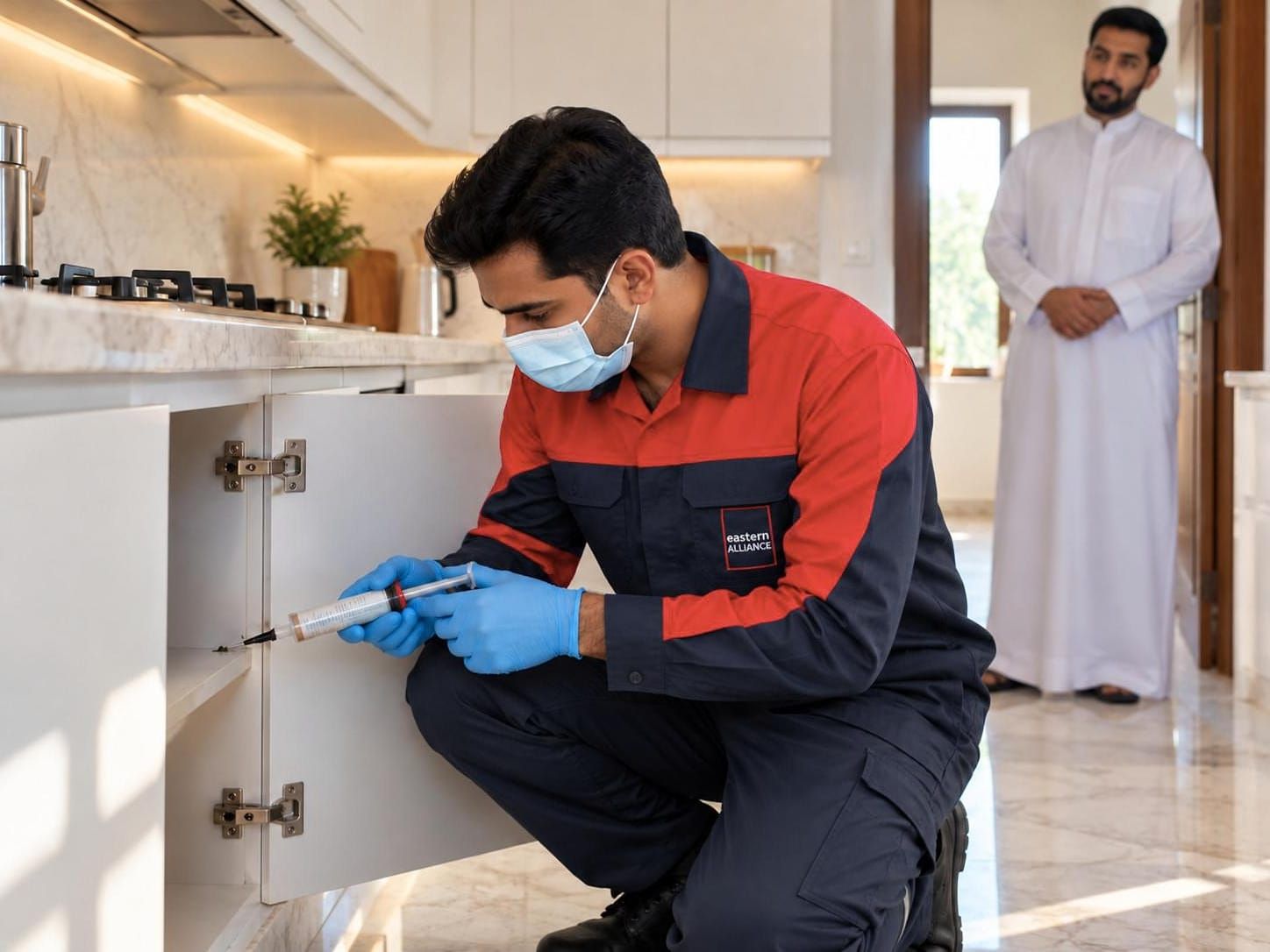
  • Crack-and-crevice treatment

    Precise application into cracks, expansion joints, behind skirting, under sinks and around door frames, where silverfish, beetles and earwigs hide by day, with little product on open surfaces.

  • Dusting of voids

    Insecticidal dusts placed in false ceilings, risers, wall voids and behind built-in units, where sprays cannot reach and where damp-loving insects breed unseen.

  • Stored-product and archive programmes

    Inspection of stock and documents, monitors including pheromone traps where suitable, treatment of empty shelving and racking, and storage advice for food stores, archives and libraries.

Method

How crawling insect control works

Every job follows the same four steps. Because these pests live in cracks, voids and damp corners, identifying the species and the conditions matters as much as the treatment itself.

  1. 01

    Identification & inspection

    We identify the species, which tells us what it eats and where it breeds, then trace it to the damp, the food source or the stored goods it lives in, including the voids above false ceilings.

  2. 02

    Plan & quote

    You receive a written scope: the areas to treat and the method for each, the stock, papers or fabrics to move or discard, and the moisture and storage changes that stop it returning, with an itemised quote.

  3. 03

    Treatment

    Trained technicians apply residual and crack-and-crevice treatment along skirting, pipe entries and shelving, dust voids, risers and false ceilings, and use targeted methods in food stores.

  4. 04

    Monitoring & aftercare

    Monitors in stores, archives and plant rooms show whether activity continues; follow-up visits adjust the plan, and every visit is written up in your service report, backed by our service warranty.

Why Eastern Alliance

Why clients choose us

  • Identification firstWe identify the species before pricing: the insect tells us where to look and what to treat, so the plan fits the problem.
  • Earth-friendly productsChosen and applied to protect people, pets and the environment, from ranges approved by the WHO, the SFDA and the US EPA.
  • Insured & guaranteedWork backed by insurance and a service warranty.
  • Trained in-houseTechnicians trained at our own training centre on identification, crack-and-crevice work and the safe use of dusts.

Before and after the visit

Before the visit, clear the floor along walls, empty under-sink cupboards and the shelves to be treated, and seal or move open food, papers and fabrics as advised. Rooms are left for the time the technician states and re-entered once surfaces are dry. Leave skirting, cracks and treated shelving unwashed for the period given, and keep children and pets away from dusted voids and ceiling openings, which stay closed.

Prevention

How to keep crawling insects out

Dry, ventilated, uncluttered spaces give these insects nothing to live on. Most of the work is moisture control and storage.

  • Fix leaks and dry out wet roomsRepair dripping traps, AC drain lines and the seals around baths and sinks; run the extractor fan and leave the door open after showers so bathrooms dry.
  • Ventilate stores and archivesKeep air moving and humidity down with ventilation or dehumidifiers; booklice and silverfish struggle to breed when paper and cardboard stay dry.
  • Store food in sealed containersFlour, rice, pulses, spices, nuts and pet food in airtight jars or tubs; use older stock first and check packets for larvae and holes before putting them away.
  • Lift boxes and stock off the floorCardboard on a concrete floor draws damp and insects. Use shelving or pallets, keep a gap from the wall and turn stock over regularly.
  • Clear the garden edgeRemove leaf litter, mulch and pots stacked against the building, keep irrigation off the walls and sweep thresholds; centipedes, millipedes and woodlice come from damp soil outside.
  • Seal gaps at ground levelFit door sweeps, seal around pipe entries and along the floor-wall junction, and screen vents and weep holes.

Price and quote

What decides the price of crawling insect control

There is no flat rate: the species, the area and the conditions decide the work, so the quote follows the inspection and covers only what your premises need.

  • Species and sourceA pantry beetle, a damp-loving silverfish and a migrating millipede need different treatments.
  • Area and accessRooms, stores, voids and false ceilings to be treated, and how easy they are to reach.
  • Stock and records affectedFood stock, archives or fabrics that need inspection, sorting or treatment.
  • Monitoring and follow-upThe monitors placed and the follow-up visits agreed.

Inspection first, then an itemised quote with no hidden extras.

Request a quote

Tell us what you are seeing and where. A coordinator will call you back to arrange a survey.

Saudi mobile or landline, e.g. 05X XXX XXXX

Preferred contact method

FAQ

Frequently asked questions

What are the silver insects in my bathroom?
Almost certainly silverfish: wingless, carrot-shaped, grey and fast, living on starch and damp. They point to humidity rather than dirt. Drying the room out and a crack-and-crevice treatment deal with them.
Why do I get centipedes and millipedes indoors after watering?
They live in damp soil, mulch and leaf litter; irrigation and rain flood them out and they cross the threshold looking for shelter. A residual barrier at ground level, sealed thresholds and drier soil beside the walls cut the numbers getting in.
There are small beetles in the flour. Do I need pest control?
Throw away the infested packets, clean the shelves and check everything else in the cupboard. If beetles or larvae keep appearing, a hidden source such as an old packet, pet food or a bird nest in a void is feeding them, and that is what the inspection finds.
Can you treat archives, libraries and document stores?
Yes. We inspect the shelving, boxes and the room's humidity, place monitors, treat the shelving and voids rather than the documents, and advise on storage and ventilation so the paper stays dry.
Are these insects dangerous?
Most are harmless. Centipedes can bite painfully, millipedes and some beetles release fluids that irritate skin, and carpet beetle hairs can cause a rash in sensitive people. The bigger problem is usually the damage to paper, fabrics and food.
Do you spray the whole building?
No. These pests live in cracks, voids and damp corners, so the treatment goes into those places: skirting, pipe entries, under sinks, shelving bases and false ceilings. Open surfaces get little or no product.
How do I prepare for the visit?
Clear the floor along walls and under sinks, empty the shelves to be treated, seal or move open food, papers and fabrics, and tell us about any leaks or damp patches you know of. Your technician confirms the list when the visit is booked.
Will the insects come back?
They return if the moisture and clutter do. The treatment reduces the population and the residual keeps working for a time; fixing leaks, ventilating and tidying storage is what makes the result last, and the report lists exactly what to fix.
Do you cover warehouses, kitchens and schools as well as homes?
Yes. Crawling insects are treated in villas and apartments and under scheduled programmes for stores, commercial kitchens, hotels, schools and plants, with a service report after each visit for audits.

Cockroach control

German and American cockroaches in kitchens, bathrooms, drains and food premises, treated with gel baits and crack-and-crevice methods.

View service

Ant control

Black garden ants, pharaoh ants and carpenter ants traced to the nest and baited at the source, in kitchens, gardens, compounds and hospitals.

View service

Spider control

Web removal for villas, garages, stores and warehouses, plus treatment of the harbourages, entry points and insect prey that attract spiders.

View service

Flea & tick control

Fleas and ticks treated in floors, carpets, pet areas, gardens and yards, with follow-up timed to the eggs and pupae that hatch later.

View service

Residential pest control

One programme for villas, apartments and compounds: inspection, targeted treatment and follow-up, safe around children and pets.

View service

Commercial pest control

Scheduled, documented pest control for offices, malls, hotels, restaurants, hospitals, schools and government buildings.

View service

Learn more about the pest

Household insects

Ants, silverfish, beetles, pantry moths, centipedes, fleas and ticks: how to recognise the everyday crawling insects of Saudi homes and what keeps them out.

Read the guide