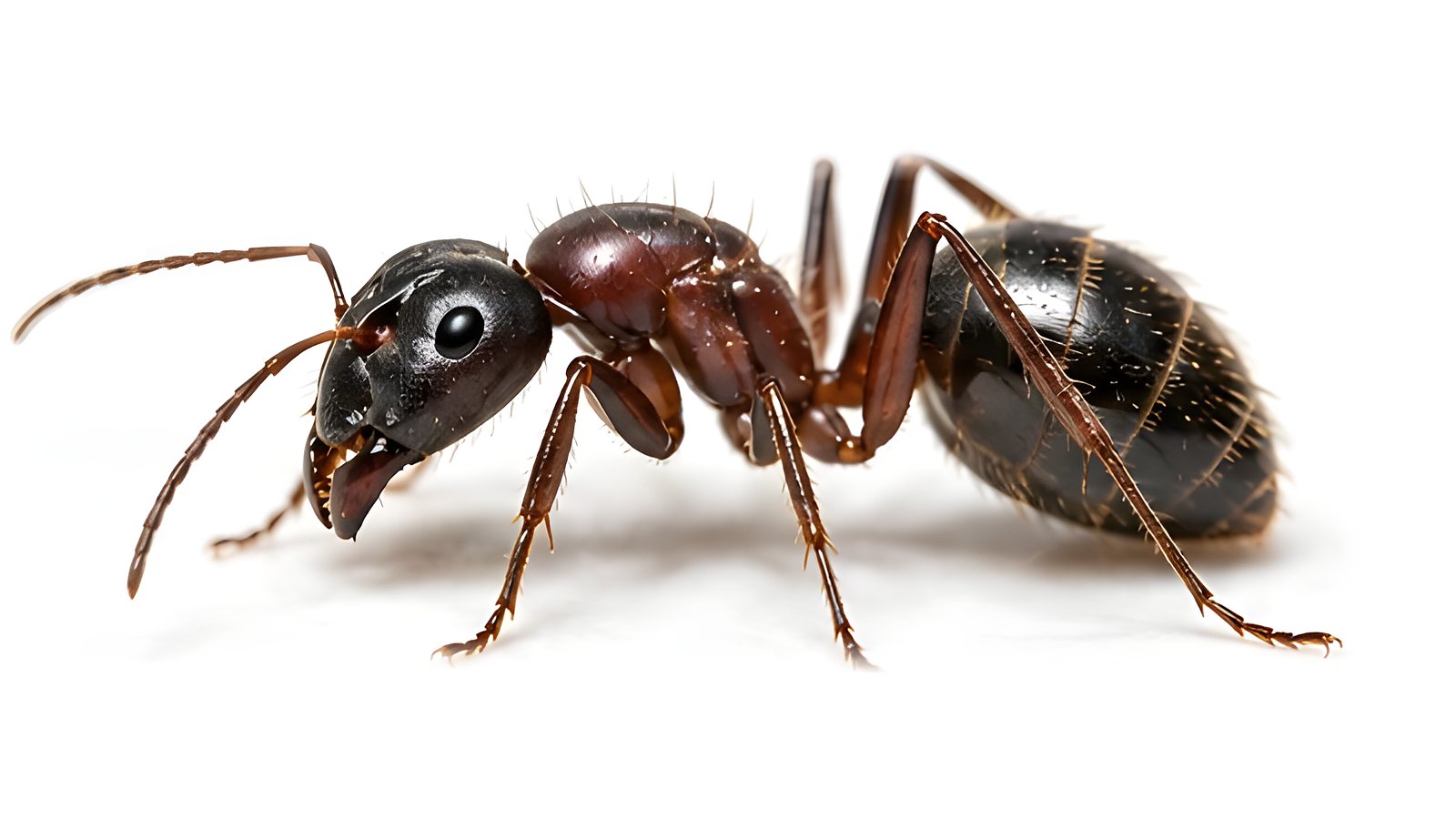
Most household insects follow damp, crumbs and clutter indoors.
Not every crawling insect is a cockroach or a termite. Ants, silverfish, beetles, pantry moths, centipedes, woodlice, fleas and ticks each arrive for a reason: moisture, stored food, pet bedding or a gap under a door. This guide shows how to tell them apart, what each one damages and the simple habits that keep most of them out.
Species
The household insects met in Saudi homes
01
Ants: black garden, pharaoh and carpenter
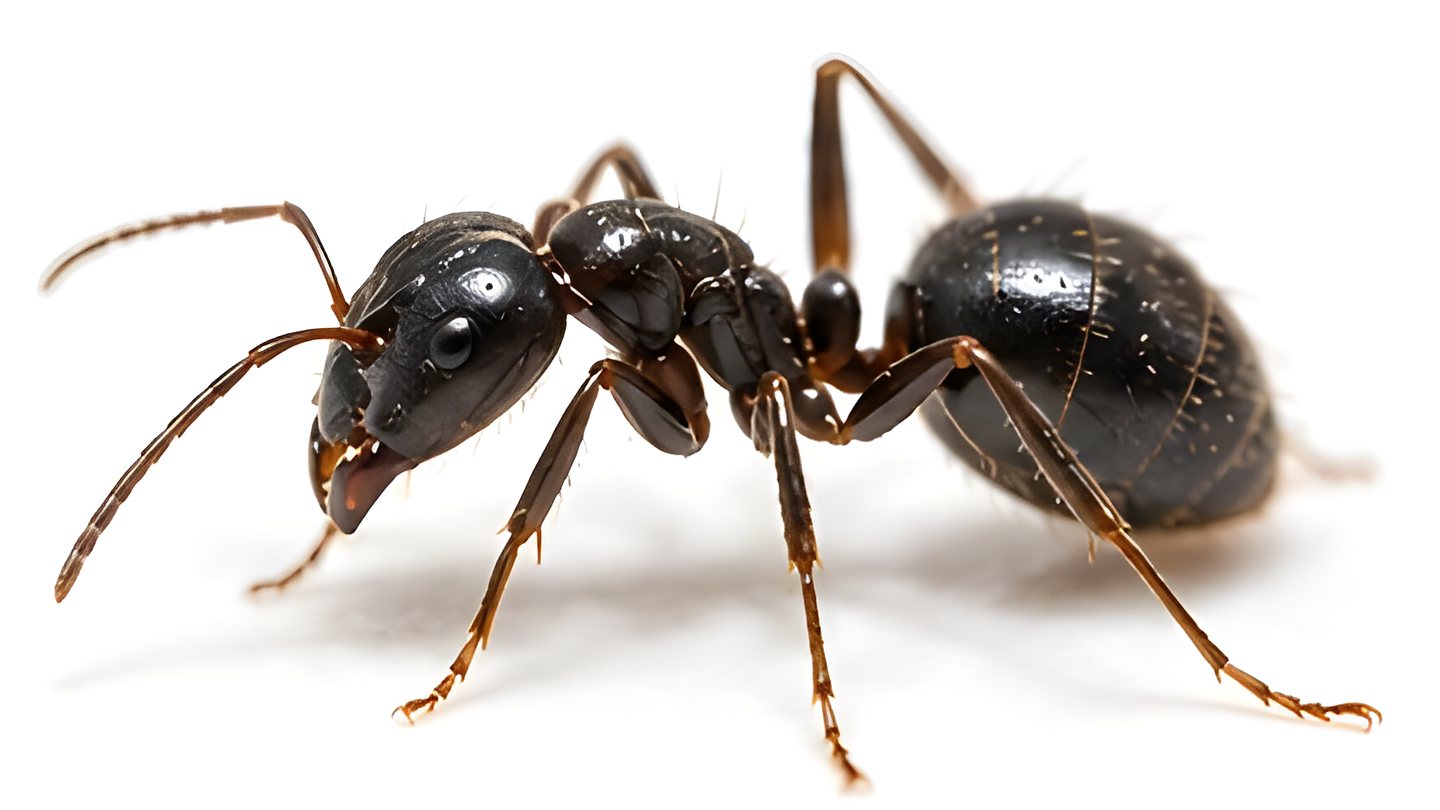
Black garden ants trail in from outside to sugar and crumbs. Pharaoh ants are tiny, yellowish and nest inside warm buildings, splitting into new colonies when disturbed. Carpenter ants are large and dark and hollow out damp timber to nest in.
02
Silverfish
Wingless, silver-grey, about a centimetre long and quick to dart away when the light goes on. They live in damp bathrooms, store rooms and behind skirting, and feed on paper, glue, starch and fabric.
03
Pantry and fabric pests: beetles, moths and weevils
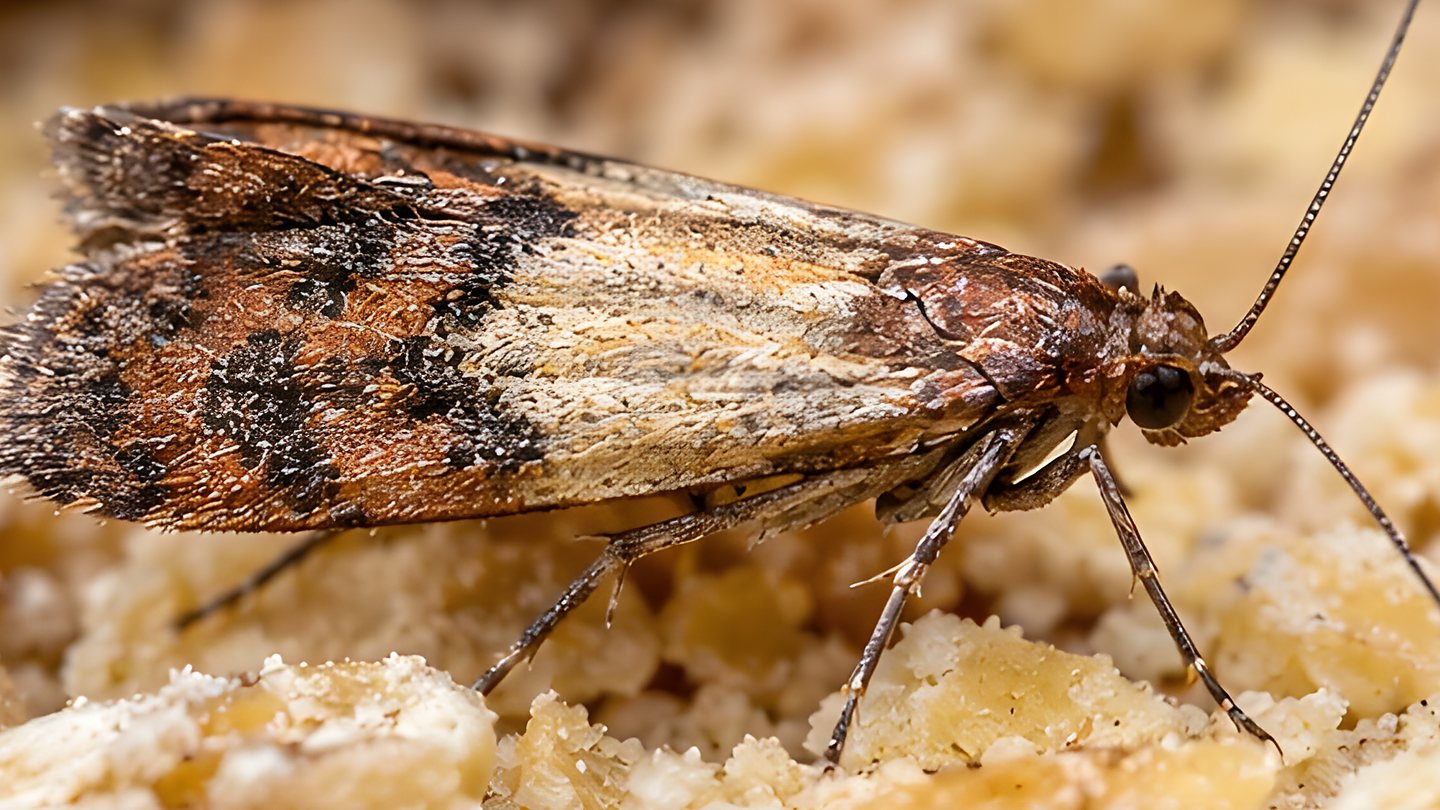
Carpet beetle larvae eat wool, carpets and stored clothes; larder beetles go for dried meat and pet food. Indian meal moths leave webbing in flour, rice, nuts and dates, and tiny snouted weevils breed inside whole grains and pulses.
04
Centipedes, millipedes, earwigs and woodlice
Damp-lovers that wander in from gardens, planters and drains. Centipedes are fast and hunt other insects; millipedes curl into a coil; earwigs carry pincers at the tail; woodlice are grey and armoured. None breed well indoors unless a room stays damp.
05
Fleas and ticks
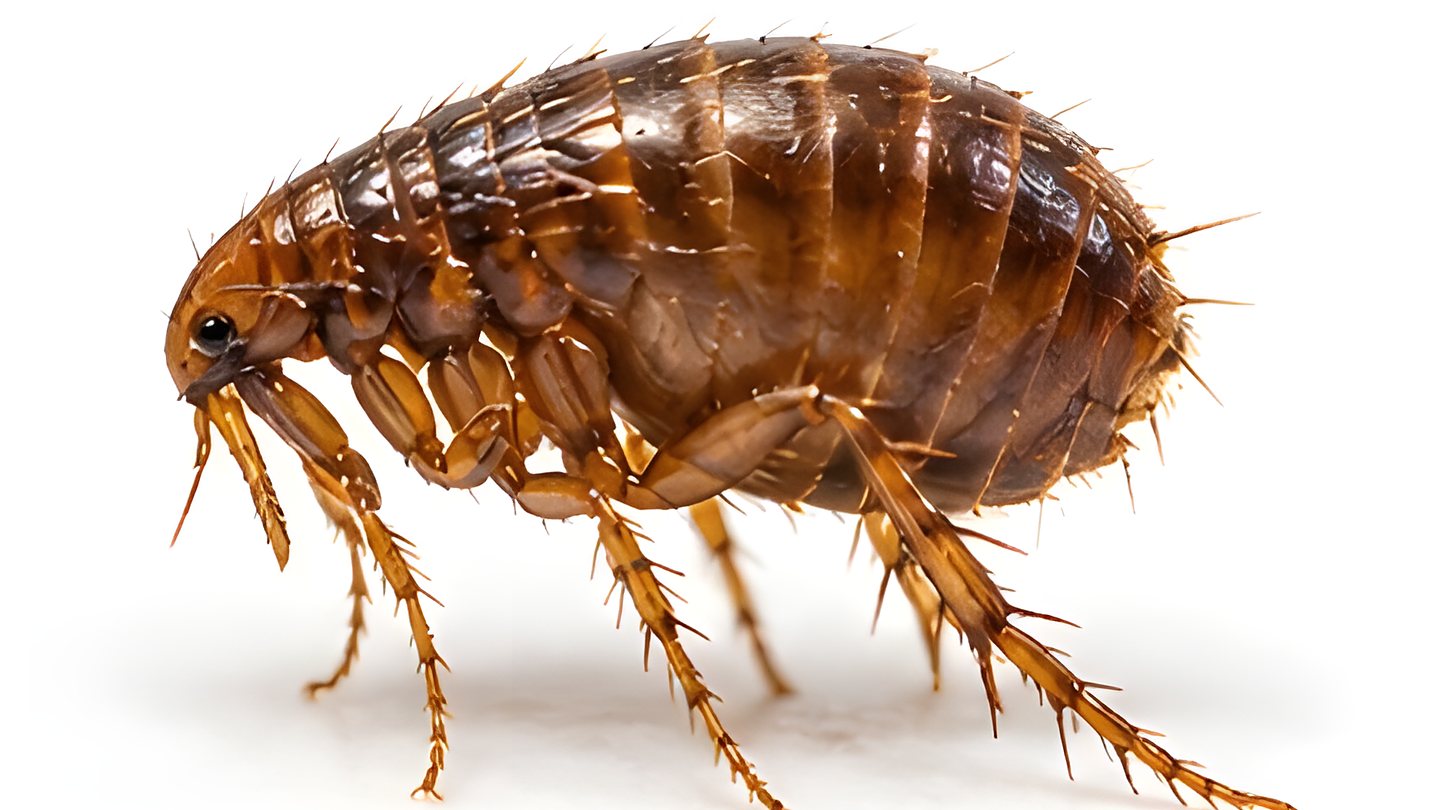
Fleas are dark, flattened and jump; they breed in pet bedding, carpets and sofa seams and bite ankles. Brown dog ticks ride in on dogs and cats, then lay eggs in wall cracks and behind skirting, so a house can hold ticks long after the pet is treated.
Identification
How to tell them apart
Most of these insects are under a centimetre long, so the useful clues are shape, movement and where you find them. Legs and speed separate the hunters from the grazers, and the room tells you what they are after. A photo on your phone next to a coin helps a technician identify the insect before the visit.
Six legs, a narrow waist and a trail of others behind it: an ant
Silver, tear-shaped, three tail bristles, darts away from light: a silverfish
Many legs and fast: a centipede; many legs, slow and coiling: a millipede
Small hairy larvae and shed skins in a wardrobe or along a carpet edge: carpet beetles
Webbing or small caterpillars in flour, rice or dates: pantry moths
Dark specks that jump from pet bedding and bite ankles: fleas
Habitat and behaviour
Where they live and why they come indoors
Household insects are after one of three things: moisture, food or shelter. Damp is the strongest pull in Saudi homes: AC drain lines, leaking traps, wet bathrooms and over-watered planters keep silverfish, woodlice, centipedes and earwigs alive in a climate that would otherwise dry them out. Ants and pantry pests follow food, arriving in grocery bags, rice, flour, dates and pet food; carpet beetles eat the wool, hair and skin flakes under furniture. Fleas and ticks ride in on pets. Activity peaks in the warm months, when heat pushes outdoor species through door gaps into the cool indoors.
Warning signs
Signs of a household insect problem
Ant trails along worktops, skirting or door frames, especially in the morning
Small silver insects darting away when a bathroom light goes on
Holes in wool, carpets or stored clothes, with shed larval skins nearby
Webbing, clumps or small caterpillars in flour, rice, nuts or dates
Tiny dark beetles in a bag of rice, lentils or birdseed
Woodlice, millipedes or centipedes under mats, in bathrooms or near planters
Pets scratching, bites around your ankles, or ticks on walls and skirting
Fine sawdust and large dark ants near damp window or door timber
Why it matters
What each one damages
01
Food you have to throw away
Pantry moths, weevils, larder beetles and ants spoil flour, rice, dates, nuts, spices and pet food. One infested bag seeds the whole cupboard, and in a shop or kitchen that becomes stock loss and a hygiene finding.
02
Fabrics, books and finishes
Carpet beetle larvae cut holes in wool rugs, abayas and upholstery; silverfish graze wallpaper, book bindings, photographs and starched linen. The damage is slow, hidden and usually found when it is already done.
03
Timber weakened by carpenter ants
Carpenter ants do not eat wood, but they tunnel through damp door frames, pergolas and window timber to nest, leaving fine sawdust below. Left alone, the galleries spread and the timber loses its strength.
04
Bites and irritation
Flea bites itch and can become infected when scratched; ticks can carry disease to pets and sometimes to people. Centipedes bite if handled, and carpet beetle hairs irritate sensitive skin. Pharaoh ants in hospitals and clinics are a hygiene concern.
Prevention
Simple habits that keep them out
Dry the damp spotsFix dripping traps and AC drain lines, run the extractor after showers and lift wet mats. Silverfish, woodlice and centipedes cannot last long in a dry room.
Store dry food in sealed containersDecant flour, rice, pulses, nuts and dates into glass or hard plastic with tight lids, check new bags before they go in the cupboard and use older stock first.
Clear the crumbs and clutterWipe worktops, empty bins nightly and vacuum under sofas, beds and along skirting, where hair, crumbs and dead insects feed beetles and ants. Cardboard boxes in store rooms are shelter and food at once.
Seal the gaps at ground levelFit door sweeps, seal around pipes and cable entries, and fill cracks in skirting and tiles. Most crawlers get in at floor level, often under the kitchen or garden door.
Treat and check your petsKeep cats and dogs on the flea and tick products your vet recommends, wash bedding on a hot cycle and check ears and necks after walks. Treating the animal without treating its bedding only halves the job.
Keep gardens and planters off the wallsLeave a dry strip between irrigated beds, pots and the house, trim ground cover back from doors and store firewood and pallets off the ground. Damp mulch against a wall is a nursery for woodlice and millipedes.
How we deal with it
When to call a professional
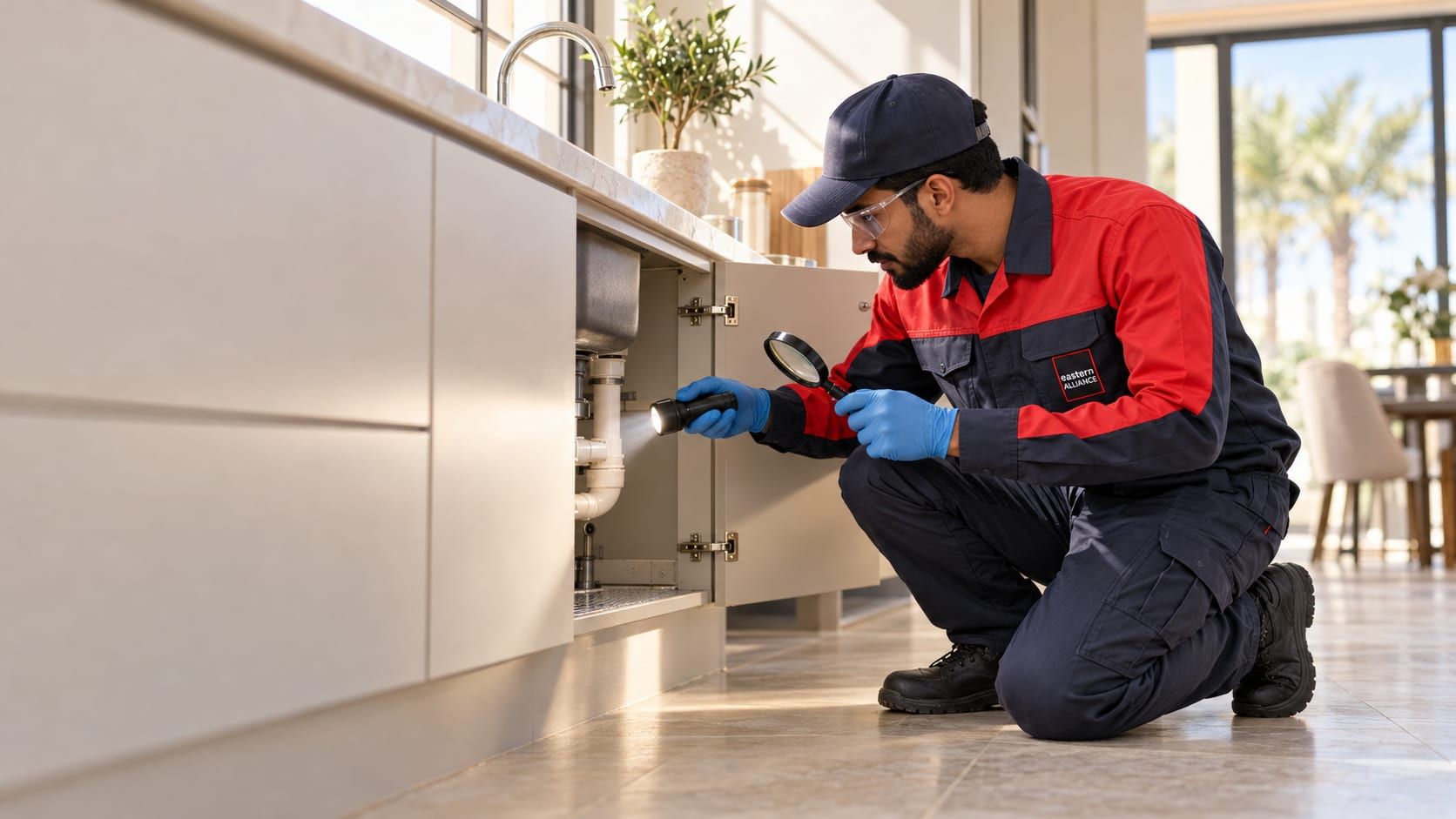
Call when insects return after you have cleaned, sealed and dried the obvious places, when you find pharaoh ants, carpenter ants or ticks indoors, or when a kitchen, shop or clinic has to answer to inspectors. Our technician inspects the property, identifies the insect and traces it to the nest, damp or food source, then gives you a written plan and an itemised quote before any treatment starts.
Our services that cover this pest, from inspection to monitoring.
Spray kills the workers you see, not the queen and brood in the nest, and pharaoh ant colonies split into new nests when they are disturbed. Gel baits placed on the trails, which the workers carry back, reach the nest itself; our technician chooses the bait for the species found.
Are silverfish harmful?
They do not bite or carry disease, but they graze paper, book bindings, wallpaper, photographs and starched fabric, and a steady population means a room is staying damp. Drying the room removes most of them.
How did moths get into sealed packets in my pantry?
Usually the eggs were already inside when the packet was bought, or the larvae chewed through thin plastic or paper from a neighbouring bag. Check every dry product, discard anything with webbing or larvae, wipe the shelves and move the rest into sealed containers.
We treated the dog, so why are there still fleas and ticks in the house?
Flea eggs and pupae sit in carpets, bedding and sofa seams and hatch for weeks after the pet is treated, and brown dog ticks lay eggs in wall cracks and behind skirting. The rooms and the animal need treating together, with a follow-up visit for the late hatchers.
Are centipedes dangerous?
House centipedes bite only if handled, and the bite is painful rather than dangerous for most people. They are a sign of damp and of other insects to hunt; fix the moisture and their food supply, and they move on.
Is the treatment safe with children and pets at home?
Yes, when it is done properly. Our technicians use gel baits and targeted applications in cracks, voids and the places the insects live, not in open living spaces, and tell you which rooms to keep clear and for how long. Products come from ranges approved by the WHO, the SFDA and the US EPA.
Aedes, Culex and Anopheles: how to tell them apart, where they breed around Saudi homes and sites, what they can carry and how to stop them at the source.
Paper wasps, hornets, honey bees, stinging ants and scorpions: where they nest, when they are active, what a sting needs and what never to do yourself.
Which snakes turn up around Saudi homes, farms and sites, how to read the signs, what to do after a bite and how to make your property less inviting.
Read the guide
This guide is general information for homes and facilities in Saudi Arabia. Species and their behaviour vary by region and season, and the right treatment is decided after an inspection.