
Eastern Alliance — Home
Termite control by Eastern Alliance

Wood-boring beetles · Powder-post beetles & woodworm

Wood-boring beetle treatment

Stop beetles turning your timber to powder.

Powder-post beetles and other wood-borers lay their eggs in timber, and the larvae feed inside for months before cutting their way out, leaving pinholes and heaps of fine powder. We inspect the timber, treat it on the surface and by injection, treat stored timber and pallets, and advise on the humidity that lets the beetles breed.

  • Doors, furniture, flooring & roof timbers
  • Surface & injection treatment
  • Pallets & stored timber

Service areas:Al KhobarDammamRiyadhJeddahJubailJizanTabukall of Saudi Arabia

When to call us

Signs of wood-boring beetles

The larvae work unseen inside the wood; what you notice is the evidence they leave behind. These are the signs our technicians look for during a survey:

  • Small round pinholes in doors, frames, furniture or flooring
  • Fine, flour-like powder (frass) under or beside the holes
  • Fresh powder reappearing after you wipe it away
  • Small brown or black beetles near windows in spring and summer
  • Crumbling edges, soft spots or sagging in timber floors and joists
  • Pallets, crates or packing timber shedding powder in the store

Scope

Timber and sites we treat

  • Powder-post beetles in hardwood joinery and flooring
  • Furniture beetle (woodworm) and other wood-borers
  • Timber doors, frames, skirting and built-in joinery
  • Furniture, antiques and decorative woodwork
  • Timber flooring, parquet, joists and roof timbers
  • Pallets, crates, dunnage and packing timber
  • Timber stocks in warehouses, ports and workshops
  • Villas, hotels, heritage buildings, mosques and offices

Why act now

Why wood-boring beetles cannot wait

  1. The damage is inside

    Each pinhole is an exit, not an entrance: by the time powder appears, larvae have spent months tunnelling through the wood. Doors, flooring and joinery can be weak long before they look it.

  2. It spreads to other timber

    Emerging beetles lay their eggs in the nearest untreated wood: the next door, the furniture in the same room or the next stack of pallets. One infested item becomes a building-wide problem.

  3. Shipments and stock at risk

    Infested pallets, crates and dunnage carry beetles into stores and out to customers, and suspect timber packing can be refused at ports and by clients. Stock worth far more than the pallets ends up rejected.

  4. Repairs cost more than treatment

    Replacing parquet, built-in wardrobes, carved doors or roof timbers costs many times more than treating them when the first holes appear.

Options

Treatment methods

Chosen after the inspection, to suit the beetle, the timber and whether it can be moved.

  • Surface treatment

    A liquid wood preservative brushed or sprayed onto bare, unfinished timber. It penetrates the surface layer where eggs are laid and larvae emerge, and is the first line for joists, roof timbers and the backs of joinery.
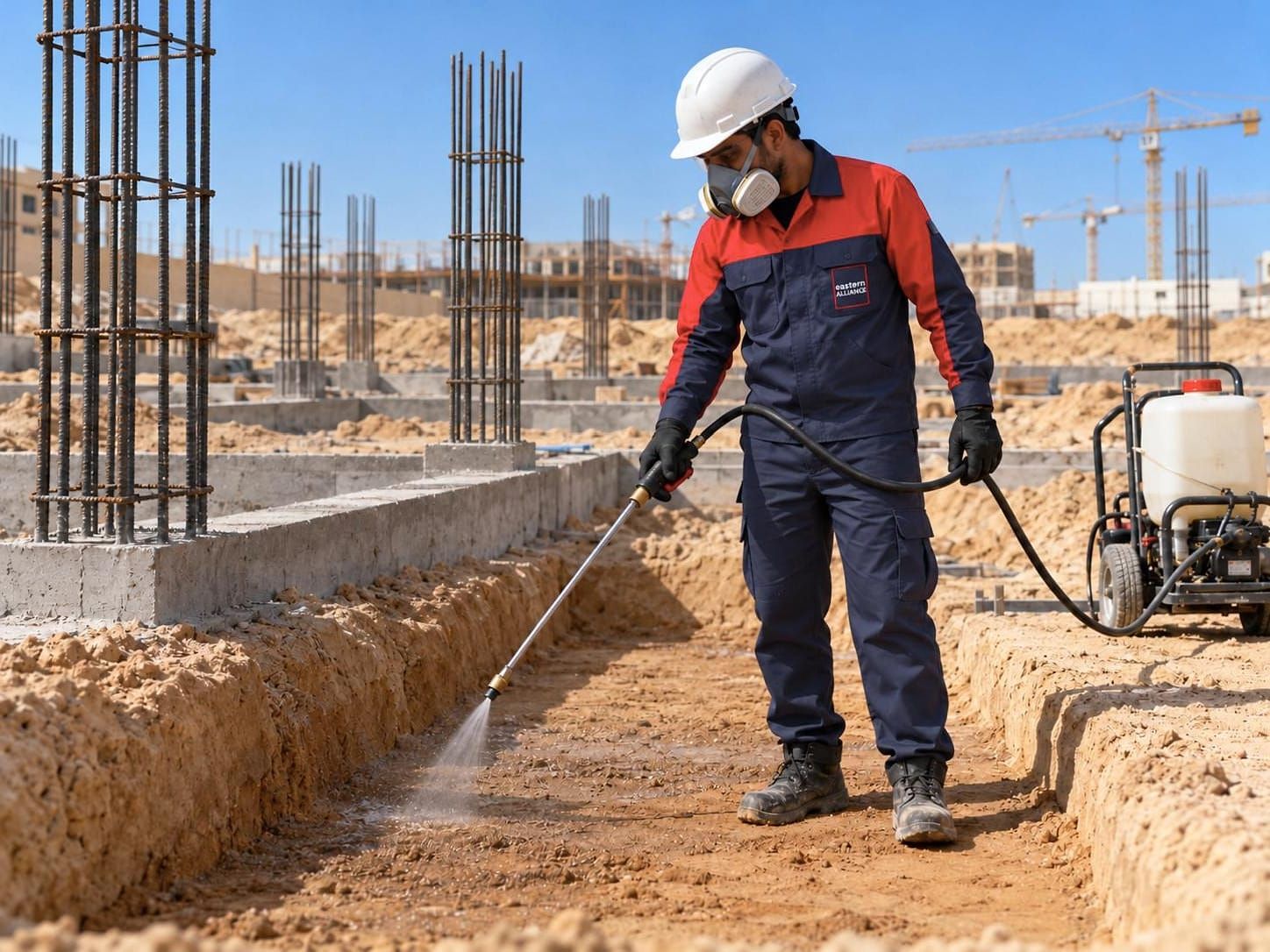
  • Injection treatment

    For finished or painted wood where the surface is sealed: the preservative is injected into the exit holes and drilled points so it reaches the galleries inside doors, frames, furniture and flooring.

  • Pallets and stored timber

    Treatment of pallets, crates, dunnage and timber stocks in warehouses and ports, with advice on stacking, rotation and keeping new deliveries away from old stock.

  • Fumigation for large stocks

    Where a whole stock, container or warehouse bay is affected, fumigation reaches every piece at once. It is carried out by our fumigation team inside a controlled safety zone.

Method

How wood-boring beetle treatment works

Every job follows the same four steps; whether the timber is treated in place, taken away or fumigated depends on what the inspection finds.

  1. 01

    Timber inspection

    We identify the beetle from the holes, powder and timber type, check whether activity is current, and map every affected item and the untreated wood near it.

  2. 02

    Treatment plan

    You receive a written scope: which items get surface treatment, which need injection, what should be moved, fumigated or replaced, and the humidity fixes that stop the beetles breeding.

  3. 03

    Treatment

    Trained technicians in PPE apply a wood preservative to bare timber surfaces and inject it into holes and galleries, treat stored timber and pallets, and close the area for the time the label requires.

  4. 04

    Monitoring & aftercare

    Follow-up inspections check for fresh powder and new holes through the next emergence season, each reported in writing, backed by our service warranty.

Why Eastern Alliance

Why clients choose us

  • Identification firstWe confirm the beetle and whether it is still active before anything is applied; old holes in dry timber may need no treatment at all.
  • Earth-friendly productsChosen and applied to protect people, pets and the environment.
  • Fumigation from the same teamLarge timber stocks and containers can be fumigated by our own fumigation team, planned alongside the treatment.
  • Trained in-houseTechnicians trained at our own training centre on methods, safety and PPE.

Before and after treatment

Before the visit, clear the area around the affected timber and, for furniture, empty drawers and cupboards. Treated rooms and stores stay closed for the time the technician states, and children and pets stay out until surfaces are dry. Do not paint, varnish or clean treated timber until your technician says so, so the preservative can do its work.

Prevention

How to keep wood-boring beetles out

Beetles need timber with a little moisture and bare, unfinished surfaces to lay in. Dry, sealed, inspected wood gives them nowhere to start.

  • Keep timber dryFix AC drain leaks, roof leaks and rising damp near skirting and floors. Humid timber in bathrooms, basements and store rooms is where infestations start.
  • Seal bare woodVarnish, paint or wax the unfinished backs, undersides and ends of joinery and furniture. Beetles lay eggs in open pores, not in sealed surfaces.
  • Check second-hand and imported itemsLook over antiques, pallets, crates and new furniture for pinholes and powder before bringing them indoors or into the store.
  • Rotate and isolate palletsKeep pallet stacks off damp floors, use older stock first and keep returned or suspect pallets away from the main store until they have been checked.
  • Ventilate stores and roof spacesAir movement keeps timber below the moisture the larvae need. Keep vents clear and do not stack timber against outside walls.
  • Inspect in springAdult beetles emerge in the warm months. A look over doors, floors and furniture for fresh holes and powder each spring catches activity early.

Price and quote

What decides the price of wood-boring beetle treatment

There is no fixed rate: the quote follows the inspection, so you pay for the items and the method your timber needs and nothing more.

  • Amount of timber affectedItems, floor area or stock volume to treat, plus the untreated wood beside it.
  • Treatment methodSurface treatment, injection, treatment of stocks or fumigation.
  • Access and finishPainted, fixed or built-in timber takes longer than loose, bare pieces.
  • Follow-up agreedInspection visits through the next emergence season.

Inspection first, then an itemised quote with no hidden extras.

Request a quote

Tell us what you are seeing and where. A coordinator will call you back to arrange a survey.

Saudi mobile or landline, e.g. 05X XXX XXXX

Preferred contact method

FAQ

Frequently asked questions

How do I know if the beetles are still active?
Fresh, pale powder that reappears after cleaning, clean-edged holes that are light inside, and beetles near windows in the warm months all point to current activity. Old, dark holes with no powder may be a past infestation; the inspection confirms it before any treatment.
What is the difference between powder-post beetles and termites?
Powder-post beetles leave small round holes and fine flour-like powder, and work inside individual pieces of timber. Termites come from the ground, leave mud tubes and soil, and hollow out timber without exit holes. The inspection tells them apart; both are treated by our team.
Can infested furniture be saved?
Usually, yes. Solid pieces are treated by injection and surface application and kept in use. The exception is timber so tunnelled that it has lost its strength, which the inspection will identify.
Do you treat pallets and timber stock in warehouses?
Yes. Pallets, crates, dunnage and timber stocks are treated in place or set aside and treated as a batch; for large stocks or a whole container, fumigation reaches every piece at once. Work is planned around your loading and shipping schedule.
Will the treatment stain or damage the wood?
Preservatives are chosen to suit the timber and its finish, and injection points are small and can be filled afterwards. Where the finish matters, as with antiques or visible joinery, your technician will go through the product and the injection points with you before starting.
Do we need to leave the building during treatment?
Usually not for surface and injection treatment of a few items: the room or store is closed for the time the technician states and aired before use. Fumigating a store or container is different; it is done inside a sealed, monitored safety zone with the area vacated.
How long does the treatment take to work?
Surface and injection treatment acts on larvae as they feed and on adults as they emerge, so a few beetles may still appear in the weeks after treatment while the last generation leaves the wood. Follow-up inspections through the next season confirm that no fresh powder appears.
Where do the beetles come from?
Most arrive already inside the timber: in imported furniture, flooring, pallets, crates or firewood. Warm, humid rooms and stores let them breed on; dry, sealed timber is far less attractive to them.
How do I get started?
Call us or request a quote online. A technician inspects the timber first, confirms the beetle and whether it is active, and then you receive an itemised quote.

Termite control

Soil treatment before you build, plus inspection and treatment for existing buildings.

View service

Fumigation services

Container, commodity and silo fumigation, carried out inside controlled safety zones.

View service

Crawling insect control

Silverfish, beetles, centipedes, millipedes, earwigs, woodlice and booklice treated at the damp, cluttered places where they breed.

View service

Residential pest control

One programme for villas, apartments and compounds: inspection, targeted treatment and follow-up, safe around children and pets.

View service

Industrial pest control

Pest control for plants, refineries, warehouses, ports and camps, run under permit-to-work and HSE rules with documentation for audits.

View service

Commercial pest control

Scheduled, documented pest control for offices, malls, hotels, restaurants, hospitals, schools and government buildings.

View service

Learn more about the pest

Termites

How to recognise subterranean and drywood termites, the mud tubes and swarms that give them away, and what keeps them out of a building.

Read the guide