
Eastern Alliance — Home
Residential pest control by Eastern Alliance

Flea & tick control · Homes, pet areas & gardens

Flea & tick control

End the bites by treating the premises, not just the pet.

Fleas and ticks arrive on pets, stray cats and dogs, livestock and people, then breed in carpets, cracks, bedding, lawns and shaded yards. Ankle bites and scratching pets are the first signs. We treat the floors, furnishings, pet areas and gardens where eggs and young develop, time the follow-up to the hatch, and work with your vet, who treats the animals.

  • Premises treated, pets by your vet
  • Follow-up timed to the hatch
  • Gardens, yards and kennels included

Service areas:Al KhobarDammamRiyadhJeddahJubailJizanTabukall of Saudi Arabia

When to call us

Signs of fleas or ticks

Adult fleas are a small part of the population; most of it is eggs, larvae and pupae in the fabric of the building. These are the signs to act on:

  • Clusters of itchy bites around the ankles and lower legs, often in a line
  • Pets scratching, biting at their fur or losing hair at the base of the tail
  • Dark specks in pet bedding (flea dirt) that turn red on a damp tissue
  • Small jumping insects on white socks after walking across a carpet
  • Ticks on walls, skirting, ceilings or behind frames where a dog has been indoors
  • Bites that start again in a property that has stood empty for weeks

Scope

Where we treat fleas and ticks

  • Villas, apartments and staff accommodation
  • Carpets, rugs, sofas, skirting and floor cracks
  • Pet bedding areas, kennels, catteries and shelters
  • Gardens, lawns, shaded yards and under decking
  • Hotels, serviced apartments and rental units between occupants
  • Stables, livestock pens and farm buildings
  • Veterinary clinics, grooming salons and pet shops

Why act now

Why fleas and ticks cannot wait

  1. Bites, itching and infection

    Flea bites itch for days and scratching opens the skin to infection; some people and pets react strongly to flea saliva. Children playing on carpets and lawns are bitten most.

  2. Ticks carry disease

    Ticks can pass infections to dogs and people, and a tick attached for hours is riskier than one removed quickly. Brown dog ticks also breed indoors, climbing walls and hiding behind skirting.

  3. Most of the population is unseen

    For every adult flea you see, many more eggs, larvae and pupae sit in carpets, cracks and bedding. Pupae can wait for months and hatch when someone walks past, which is why an empty property suddenly bites.

  4. Complaints and reviews

    In a hotel, serviced apartment or rental unit, flea bites become complaints, refunds and reviews within a day. Treating between occupants, with a record of the visit, protects the property.

Options

Treatment options for fleas and ticks

The plan depends on the source of the infestation and the type of premises.

  • Home flea treatment

    Floors, carpets, sofas, under beds, skirting and pet resting places treated with a residual and growth regulator, the follow-up visit built into the plan and the pets treated by your vet on the day we visit.
  • Tick treatment

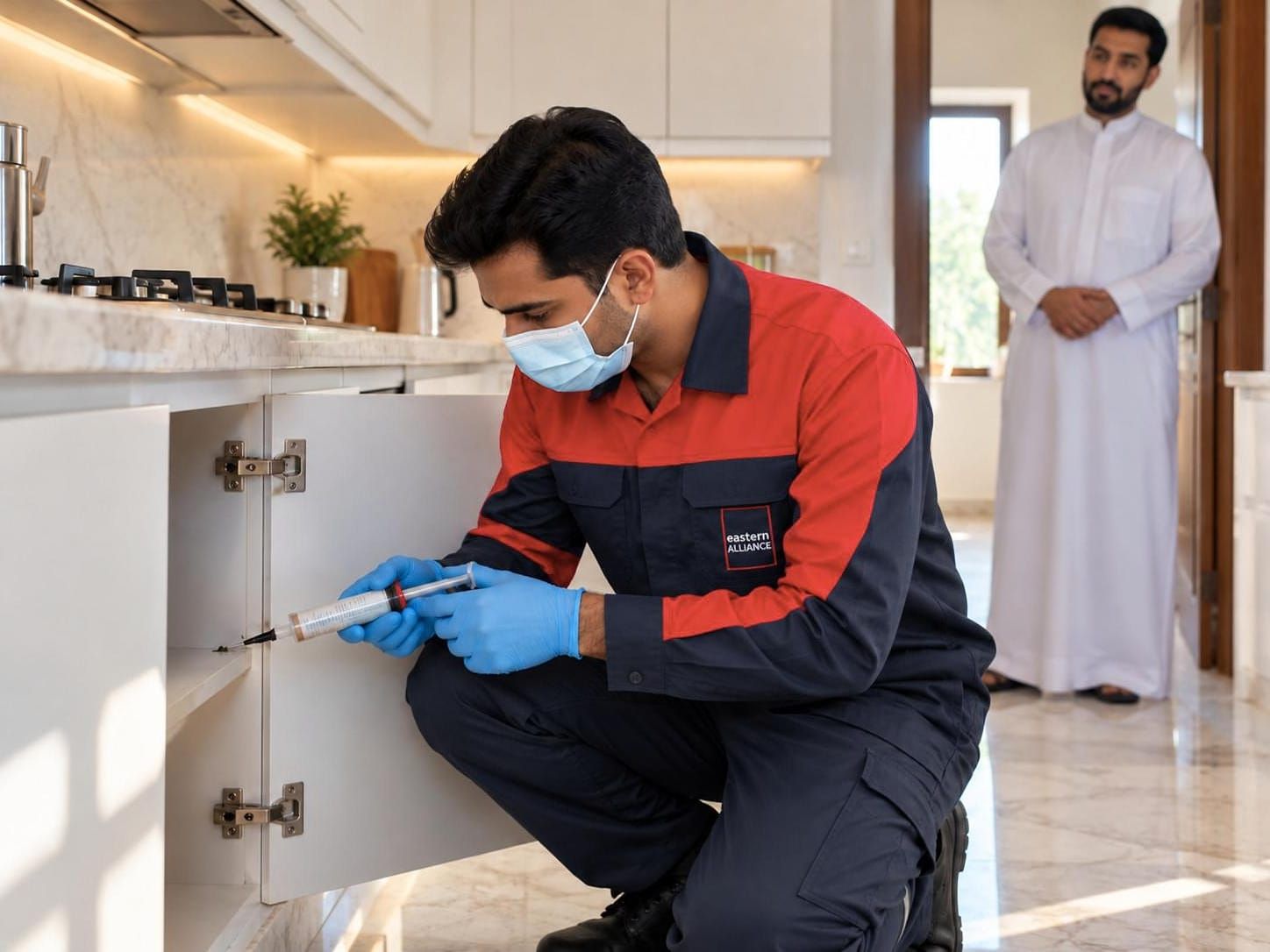
    Ticks hide in cracks, behind skirting, up walls and in kennels and yards. We treat those harbourages indoors and out and advise on checking and treating the dogs so they do not re-seed the building.

  • Gardens, yards and animal areas

    Lawns, shaded soil, under decking and furniture, kennels, catteries, stables and pens treated for the flea and tick stages living outdoors, with drainage and vegetation advice to make them less hospitable.

  • Hotels, rentals and accommodation

    Treatment of rooms, corridors and staff housing between occupants, with vacuuming and laundering guidance for housekeeping and a service report for the file.

Method

How flea and tick treatment works

Every flea and tick job follows the same four steps. The treatment reaches the stages you cannot see, and the follow-up visit catches the ones that hatch afterwards.

  1. 01

    Inspection

    We confirm whether fleas, ticks or both are present, find the animal source and map the hot spots: pet resting places, carpets, sofas, cracks, shaded garden corners and the walls ticks climb.

  2. 02

    Plan & preparation

    You receive a written plan and itemised quote, plus a preparation list: vacuuming, washing bedding, clearing floors and booking the animals' treatment with your vet for the day we visit.

  3. 03

    Treatment

    Trained technicians apply a residual treatment, with an insect growth regulator where appropriate, to floors, carpet edges, furniture bases, skirting, cracks, pet areas and outdoor harbourages.

  4. 04

    Follow-up & aftercare

    A follow-up visit timed to the hatch targets fleas emerging from pupae the first treatment could not reach, and your service report lists what was used and found, backed by our service warranty.

Why Eastern Alliance

Why clients choose us

  • Inspection before quoteWe confirm the pest and its source before pricing; the inspection decides the areas and the follow-up.
  • Earth-friendly productsChosen and applied to protect children, pets and the environment, from ranges approved by the WHO, the SFDA and the US EPA.
  • Insured & guaranteedWork backed by insurance and a service warranty.
  • Trained in-houseTechnicians trained at our own training centre on the flea life cycle, safe application and PPE.

Preparing the home and the pets

Before the visit, vacuum carpets and sofas, empty the vacuum outside, wash pet bedding and yours on a hot cycle, and clear the floors. Book the animals' vet treatment for the day we visit. During treatment, people and pets stay out of the rooms and return when the technician says surfaces are dry. Do not wash treated floors for the time stated, and keep vacuuming daily: it draws pupae out onto the treated surface.

Prevention

How to keep fleas and ticks out

Fleas and ticks need a host and a quiet place to develop. Protect the animals, deny the hiding places and watch the garden.

  • Keep pets on year-round preventionFlea and tick prevention from your vet, kept up all year, is the single most effective step; fleas and ticks do not take a winter break in Saudi homes.
  • Vacuum weekly and empty it outsideVacuuming removes eggs and larvae and makes pupae hatch where you can deal with them. Work the edges, under furniture and wherever pets sleep.
  • Wash pet bedding on a hot cycleBeds, blankets and the throw on the sofa the cat prefers: a hot wash weekly during a problem and monthly afterwards.
  • Keep stray animals off the propertyStray cats and dogs sleeping in the garden, garage or under cars seed the yard with fleas and ticks. Close gaps in fences, keep bins shut and ask us about humane stray-animal control.
  • Manage the gardenMow lawns, trim shaded ground cover, clear leaf litter under hedges and keep decking and sheds dry; ticks wait in long grass and fleas develop in damp shade.
  • Check animals after walks and farm visitsRun your hands through a dog's coat, especially ears, neck and between the toes, and remove ticks with tweezers close to the skin; check clothing after livestock pens.

Price and quote

What decides the price of flea and tick treatment

There is no fixed rate: the quote follows the inspection, so you pay for the rooms, outdoor areas and follow-up visits your premises need and nothing more.

  • Floor area and furnishingsCarpeted rooms, soft furnishings and the pet areas to be treated.
  • Indoor, outdoor or bothGardens, yards, kennels and pens add outdoor treatment.
  • Fleas, ticks or bothTicks hide higher and deeper and usually need more thorough work.
  • Follow-up visitsThe number of visits the life cycle and the level of infestation call for.

Inspection first, then an itemised quote with no hidden extras.

Request a quote

Tell us what you are seeing and where. A coordinator will call you back to arrange a survey.

Saudi mobile or landline, e.g. 05X XXX XXXX

Preferred contact method

FAQ

Frequently asked questions

Do you treat the pets as well?
No. We treat the premises: floors, furnishings, pet areas, gardens and yards. The animals are treated by your vet, ideally on the day we visit, so the fleas and ticks on them do not re-seed the building.
We have no pets, so where did the fleas come from?
Stray cats and dogs sleeping near the house, a previous tenant's pet, visiting animals or a bird or rodent nest in a void can all leave fleas behind. Pupae wait for months and hatch when people move in, which is why empty flats suddenly bite.
Why am I still seeing fleas after the treatment?
Pupae are protected from treatment and keep hatching for some weeks; the new fleas die on the treated surfaces. Keep vacuuming daily to bring them out, and the follow-up visit catches the rest.
How do I prepare for a flea treatment?
Vacuum, wash bedding on a hot cycle, clear the floors and book the vet's treatment for the animals for the day we visit. Your technician sends a short preparation list once the visit is booked.
Can you get rid of ticks inside a villa?
Yes. Brown dog ticks breed indoors, hiding in cracks, behind skirting and high on walls. We treat those harbourages and the kennel or yard the dog uses, and advise on checking and treating the dog with your vet.
Is the treatment safe for children and pets?
Yes, when applied by trained technicians using approved products. Everyone, pets included, stays out of treated rooms until the technician says the surfaces are dry, and cages for birds, fish and small pets are covered or moved beforehand.
Do you treat gardens, yards and farm buildings for ticks?
Yes. Lawns, shaded ground, under decking, kennels, stables and pens can be treated, with advice on grass height, drainage and where the animals rest to keep numbers down.
How many visits will it take?
Most homes need the first treatment and one follow-up timed to the hatch; heavier infestations, large gardens or ticks may need more. Your technician sets the number after the inspection and records each visit.
Can fleas live on people?
Cat and dog fleas bite people but do not live on them; they feed and drop back into carpets and bedding. Ticks do attach to people, so check skin and clothing after gardens, farms and walks with the dog.

Stray animal control

Humane control of stray cats and dogs at compounds, schools, hotels and sites: survey, monitoring, repellents, proofing and humane capture where needed.

View service

Bed bug treatment

Inspection of beds, headboards and skirting, targeted treatment and a follow-up visit for the eggs, in homes, hotels and accommodation.

View service

Residential pest control

One programme for villas, apartments and compounds: inspection, targeted treatment and follow-up, safe around children and pets.

View service

Garden & lawn pest control

Ants, grubs, aphids, mosquitoes and soil pests treated in villa gardens, compound lawns, hotel grounds and public landscaping.

View service

Crawling insect control

Silverfish, beetles, centipedes, millipedes, earwigs, woodlice and booklice treated at the damp, cluttered places where they breed.

View service

Learn more about the pest

Household insects

Ants, silverfish, beetles, pantry moths, centipedes, fleas and ticks: how to recognise the everyday crawling insects of Saudi homes and what keeps them out.

Read the guide