Eastern Alliance — Home
Rodent control by Eastern Alliance

Rodent control · Rats & mice

Rodent control

Get rid of rodents and keep them out.

Rats and mice contaminate food and stock, gnaw through cables and packaging, and breed quickly once they settle in. We find how they get in, remove them with traps and tamper-resistant bait stations, and seal the gaps so they stay out.

  • Entry-point proofing
  • Tamper-resistant bait stations
  • Scheduled monitoring visits

Service areas:Al KhobarDammamRiyadhJeddahJubailJizanTabukall of Saudi Arabia

When to call us

Signs of rats and mice

Rodents are cautious and mostly active at night, so the signs usually appear before the animals do. These are the warnings our technicians look for:

  • Droppings along walls, in cupboards or near stored goods
  • Gnaw marks on doors, packaging, pipes or cables
  • Scratching or scurrying sounds in ceilings and walls at night
  • Dark, greasy rub marks along skirting and around holes
  • Burrows near foundations, gardens or bin areas
  • Shredded paper, fabric or insulation used for nesting

Scope

What we protect

  • Villas, apartments and residential compounds
  • Restaurants, hotels and commercial kitchens
  • Warehouses and food storage areas
  • Factories and industrial plants
  • Offices, malls and retail stores
  • Hospitals, schools and government buildings
  • Perimeters, gardens, drains and bin areas

Know the pest

Rats, mice and the signs they leave

Knowing which rodent is present decides where traps and bait stations go.

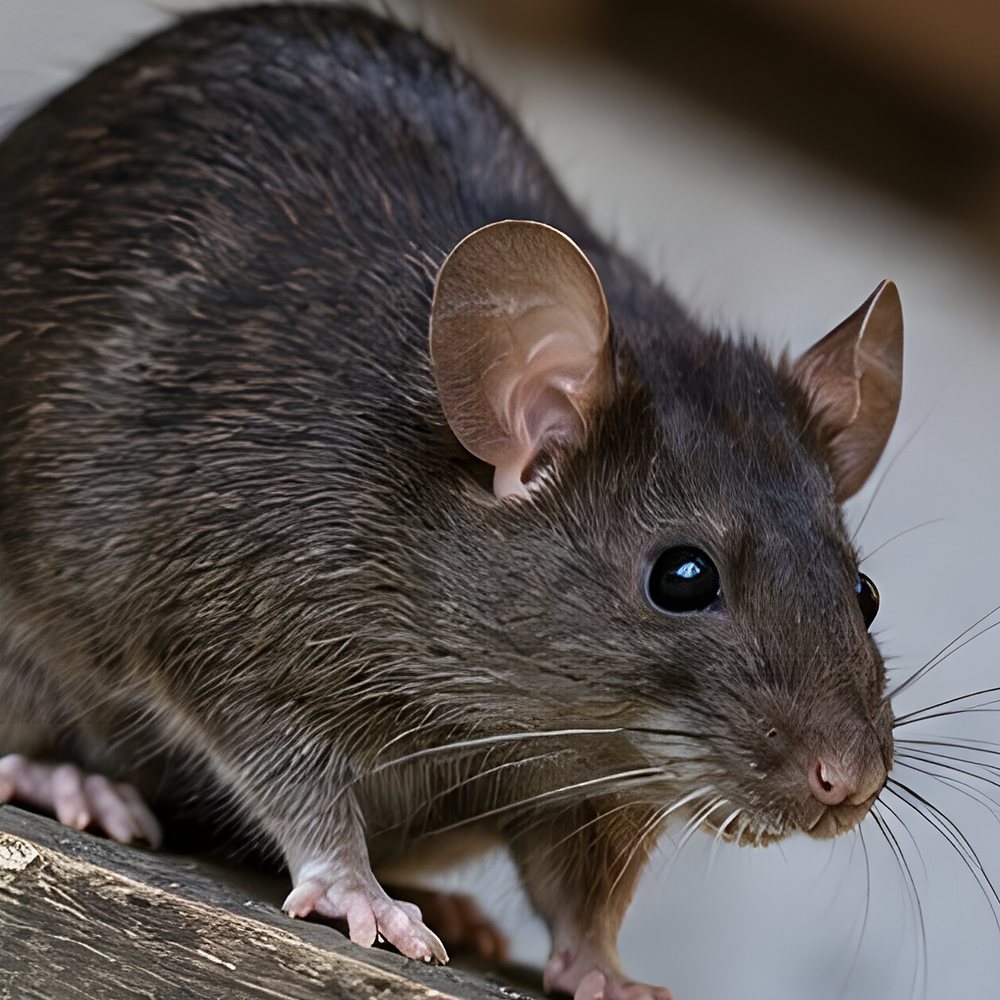
  • Brown Norway rat crouching at the base of a concrete wall

    Norway rat

    Large and heavy, 200–500 g, with a blunt nose and small ears. Burrows at ground level: drains, foundations, gardens and bin stores.
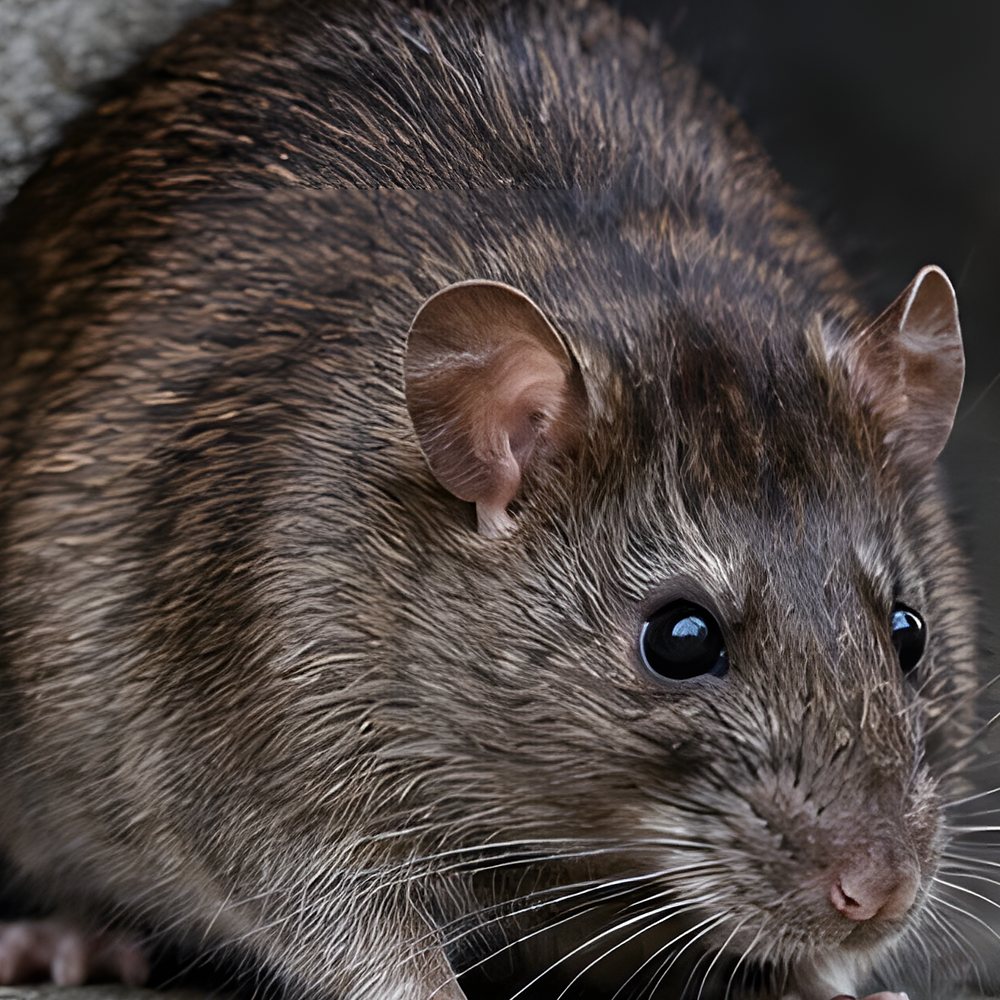
  • Roof rat with large ears and a slim body on a wooden beam

    Roof rat

    Slimmer, with large ears and a tail longer than its body. A climber: roof spaces, false ceilings, trees and cable runs.
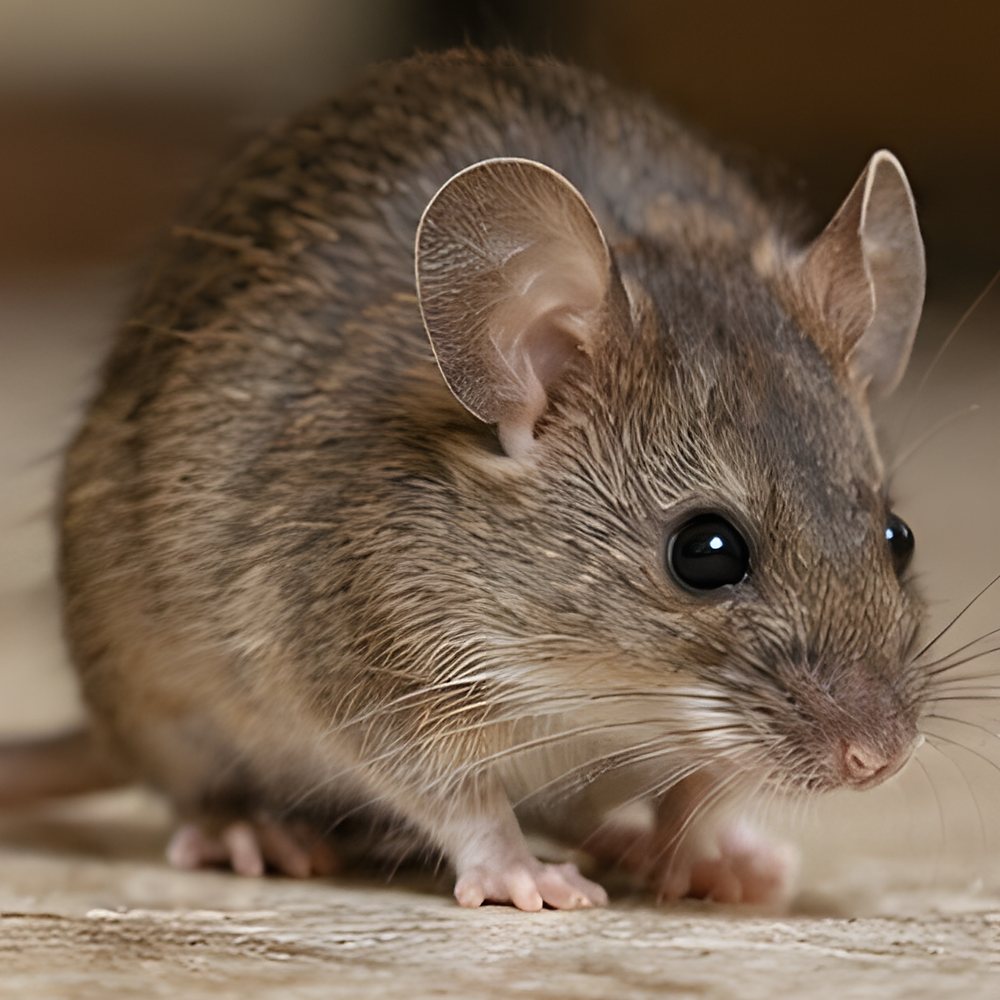
  • House mouse with large ears and a pointed nose on a wooden floor indoors

    House mouse

    Small, 12–30 g, with large ears and a pointed nose. Lives indoors in kitchens, store rooms and wall voids and gets through gaps of about 6 mm.
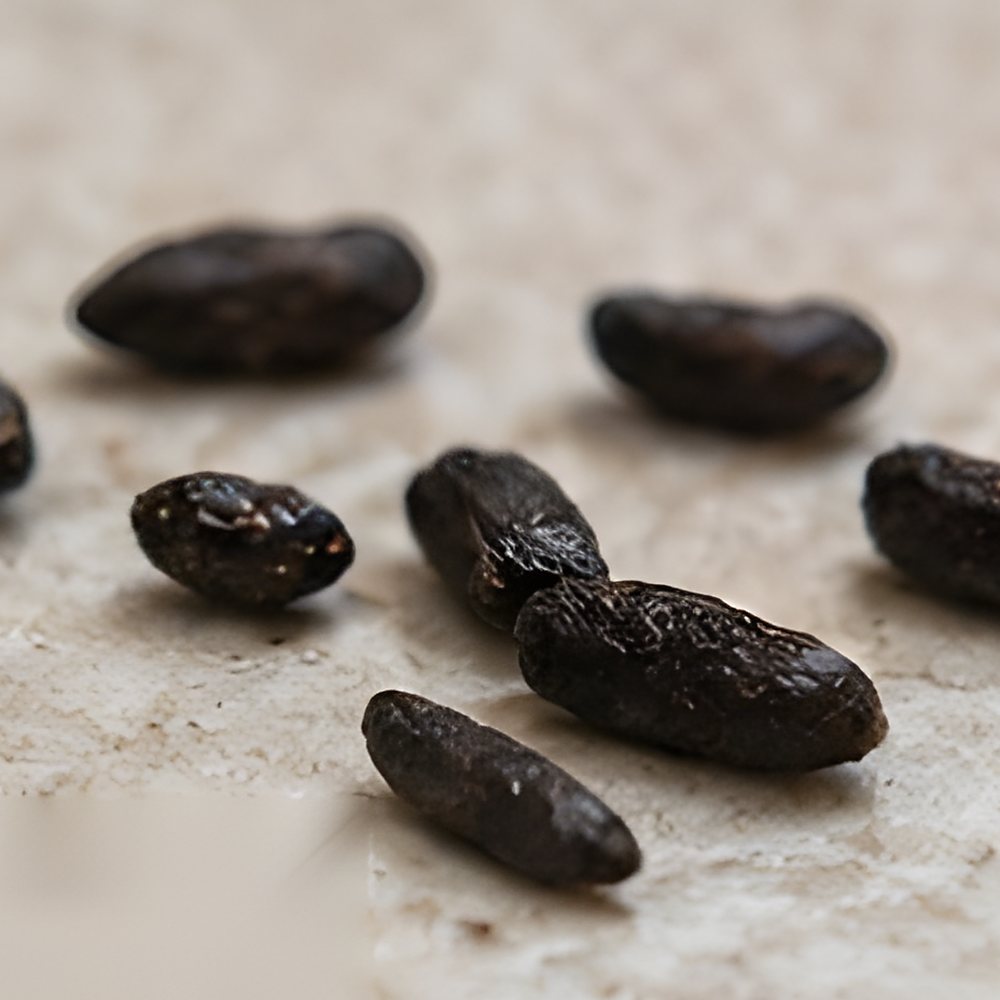
  • Dark, spindle-shaped rodent droppings scattered on a floor

    Droppings

    Rat droppings are 10–20 mm and blunt or spindle-shaped, mouse droppings 3–6 mm. Fresh ones are dark and soft, old ones grey and dry.
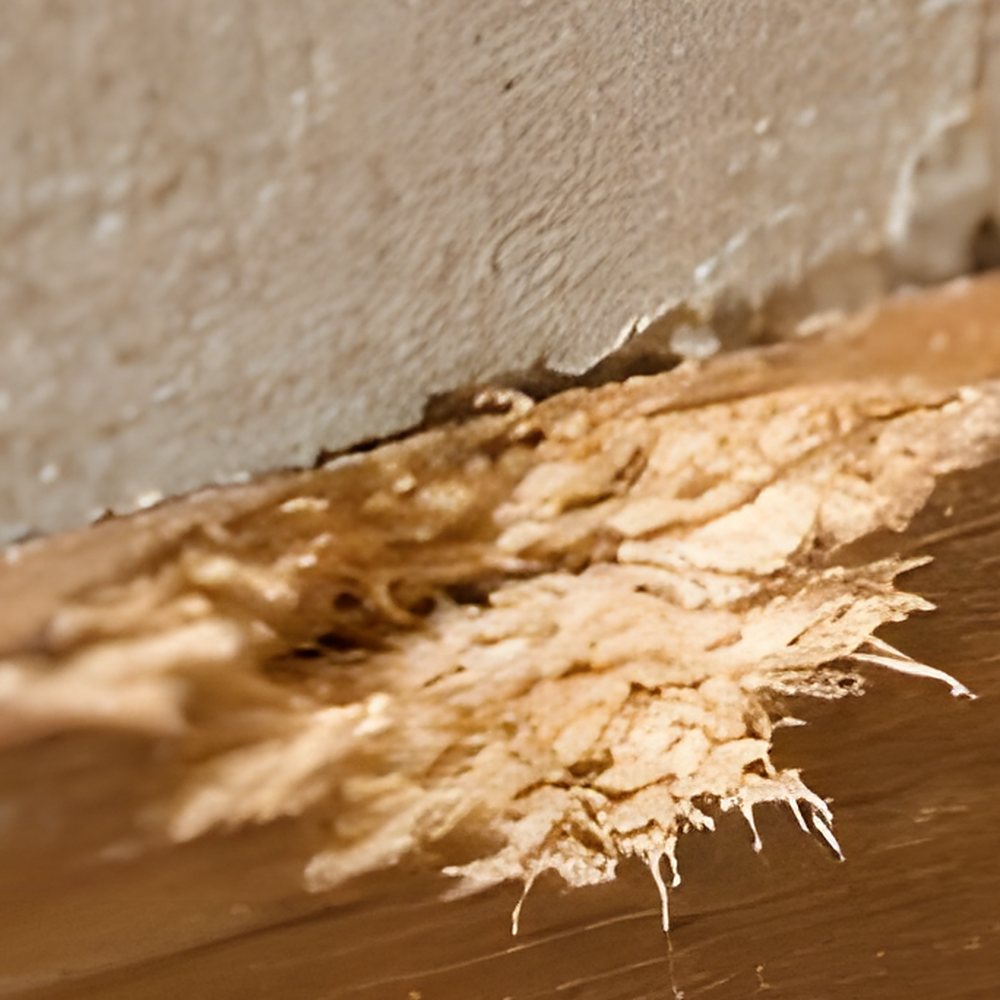
  • Fresh gnaw marks and pale wood shavings on the edge of a skirting board

    Gnaw marks

    Fresh, pale tooth marks on wood, plastic, cables and food packaging, often with shavings below. Gnawed cables are a fire risk.

Why act now

Why rodents cannot wait

  1. Contaminated food and stock

    Rats and mice carry bacteria in their droppings, urine and fur and leave them on everything they cross: worktops, packaging, stored food and feed. Anything gnawed or soiled has to be thrown away.

  2. Fire and equipment damage

    Rodents gnaw constantly to keep their teeth short. Cables, AC ducting, pipes and insulation in ceilings and plant rooms are favourite targets, and a gnawed cable is a fire and downtime risk.

  3. Failed inspections and audits

    Droppings or gnawed packaging in a kitchen, store or food plant are among the findings that municipality inspectors and auditors act on. A documented rodent programme is what they expect to see.

  4. Numbers grow fast

    A female mouse can raise a new litter every few weeks and the young breed within weeks of birth. A couple of rodents in autumn become an established population by spring if nothing is done.

Options

Rodent control by type of site

The setup depends on the property and how it is used.

  • Homes and villas

    Inspection of roofs, gardens, kitchens and service openings, traps or bait stations placed out of reach of children and pets, and proofing of the gaps we find.

  • Food, hospitality and retail

    A numbered network of monitoring and bait stations, serviced on schedule with methods suited to food areas, plus a site map and visit log ready for audits and municipality inspections.

  • Industrial sites and perimeters

    Perimeter bait stations along fences, drains and storage yards, installed under your permits and HSE rules to keep rodents away from buildings and cable routes.

Method

How rodent control works

Every rodent job follows the same four steps. Removing the rodents already inside matters, but proofing and monitoring are what stop new ones moving in.

  1. 01

    Inspection

    We trace droppings, runways, burrows and gnaw marks to find nesting areas, food sources and the gaps rodents use to get in, then agree a written plan with you.

  2. 02

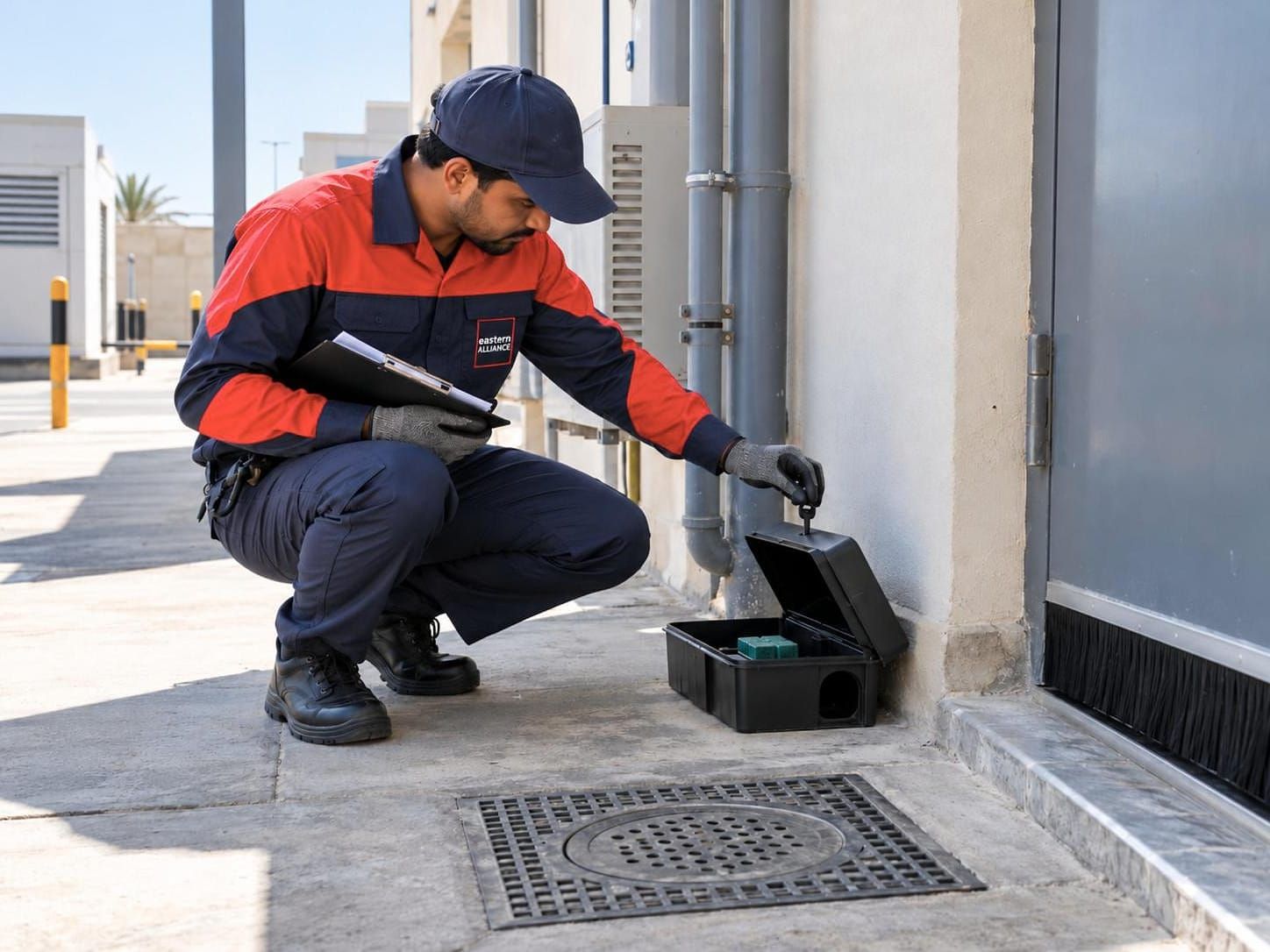
    Removal

    Traps and tamper-resistant bait stations are placed along the routes rodents use, out of reach of children, pets and food.

  3. 03

    Proofing

    Gaps around pipes, cables, doors and drains are sealed or screened with rodent-resistant materials, and we point out any repairs the building needs.

  4. 04

    Monitoring & aftercare

    Follow-up visits check and service every station and trap, record activity and adjust the plan, backed by our service warranty.

Why Eastern Alliance

Why clients choose us

  • Targeted preventionAn IPM approach that combines proofing, hygiene advice and careful bait placement, rather than bait alone.
  • Survey before quoteWe inspect before we price; the entry points and activity decide the plan.
  • Insured & guaranteedWork backed by insurance and a service warranty.
  • Trained in-houseTechnicians trained at our own training centre on rodent behaviour, safe bait placement and proofing.

Keeping bait safe

Any bait we use is placed inside locked, tamper-resistant stations, positioned where children, pets and other animals cannot reach it and away from food-contact surfaces. Your technician will show you where each station is and which ones stay in place for monitoring. Before the visit, store food in sealed containers and let us know about any pets.

Prevention

How to keep rodents out

Rodents need a way in, food and somewhere quiet to nest. Deny all three and the building stops being worth the risk to them.

  • Seal every gap a pencil fits throughA mouse passes through a gap of about 6 mm and a rat through about 12 mm. Fill holes around pipes, cables, AC lines and drains with rodent-resistant mesh and sealant, not foam alone.
  • Fit door sweeps and keep doors shutGaps under external doors, roller shutters and loading-bay doors are the most common way in. Fit brush strips or sweeps and close doors when they are not in use.
  • Store food and waste in sealed containersFood, pet food, bird seed and waste in lidded containers; bins emptied daily and kept away from walls and doors; no food left out overnight in kitchens and break rooms.
  • Keep a clear strip along wallsIn stores and warehouses, keep stock on pallets or shelving with a clear inspection strip along the walls, so runways and droppings are seen early and stations can be serviced.
  • Cut vegetation back from the buildingRoof rats climb. Trim palms, climbers and tree branches away from walls and roofs, lift dense ground cover off the base of walls and keep garden stores and compost tidy.
  • Fix leaks and cover drainsDripping taps, AC condensate and leaking tanks give rodents the water they need in summer. Repair them, fit covers on floor drains and screen the ends of pipes and gullies.

Price and quote

What decides the price of rodent control

There is no flat rate for rodents: the quote follows the inspection, so you pay for the stations, proofing and visits your property needs and nothing more.

  • Size and type of propertyA villa, a restaurant, a warehouse or a plant perimeter need different numbers of stations.
  • Level of activity foundHow established the rodents are and how many areas show signs.
  • Proofing work neededThe number of gaps, doors and drains to seal or screen, and the materials.
  • Monitoring scheduleOne-off removal, or stations serviced on a schedule with a visit log.

Inspection first, then an itemised quote with no hidden extras.

Request a quote

Tell us what you are seeing and where. A coordinator will call you back to arrange a survey.

Saudi mobile or landline, e.g. 05X XXX XXXX

Preferred contact method

FAQ

Frequently asked questions

Are bait stations safe around children and pets?
Tamper-resistant stations are locked and designed to keep the bait out of reach of children and pets, and we place them away from where they play and eat. Tell your technician about any pets so placement can be planned around them.
How long does it take to get rid of rats or mice?
It depends on the size of the infestation, how the rodents are getting in and how easily they find food. Follow-up visits record activity at each station so you can see progress, and your technician will agree the visit schedule with you.
Why seal entry points if you are already using bait?
Bait deals with the rodents already inside, but while gaps stay open new ones can keep moving in. Proofing is what stops the problem coming back.
Do you run scheduled rodent programmes for businesses?
Yes. Monitoring and bait stations are numbered and mapped, serviced on an agreed schedule, and every visit is recorded in a log you can show to auditors and municipality inspectors.
Do I have rats or mice, and does it matter?
It matters for the plan. Mouse droppings are the size of a grain of rice and mice nest close to food indoors; rat droppings are larger, and roof rats climb into ceilings and palms while other rats burrow near drains and foundations. The inspection identifies the species and places traps and stations where that species travels.
Do you use poison inside homes and kitchens?
Inside living areas and food rooms we prefer traps and monitoring where they can do the job; where bait is needed it stays inside locked stations, placed as the label requires and away from food surfaces. Your technician explains what is used where, and it is recorded in your service report.
What if a rodent dies inside a wall or ceiling?
It can happen with bait, which is one reason we favour traps in occupied rooms. If there is a smell, tell us: the technician traces it, removes the carcass where it can be reached and treats the spot for flies and odour. In a sealed void the smell fades on its own within a few weeks.
Our home is clean, so why do we have rodents?
Cleanliness helps, but rodents need only shelter, water and a way in. A gap around an AC pipe, a garden with dense ground cover or date palms, an open drain, or building works next door that disturb a nest are enough. The inspection finds the route they are using, and proofing closes it.
What can I do to stop rodents coming back?
Keep food and waste in sealed containers, clear clutter and plants away from walls, fix leaks, and keep doors closed or fitted with door sweeps. Your technician will leave hygiene and proofing advice specific to your property.

Commercial pest control

Scheduled, documented pest control for offices, malls, hotels, restaurants, hospitals, schools and government buildings.

View service

Industrial pest control

Pest control for plants, refineries, warehouses, ports and camps, run under permit-to-work and HSE rules with documentation for audits.

View service

Residential pest control

One programme for villas, apartments and compounds: inspection, targeted treatment and follow-up, safe around children and pets.

View service

Annual maintenance contracts

Scheduled visits, monitoring, treatment as needed and a report after every visit, under one contract for the year.

View service

Cockroach control

German and American cockroaches in kitchens, bathrooms, drains and food premises, treated with gel baits and crack-and-crevice methods.

View service

Snake & reptile control

Inspection, safe removal and proofing against snakes, lizards and other reptiles around homes, farms and sites.

View service

Learn more about the pest

Rodents

How to tell the Norway rat, roof rat and house mouse apart by size, droppings and habits, the damage they do, and how to keep them out.

Read the guide