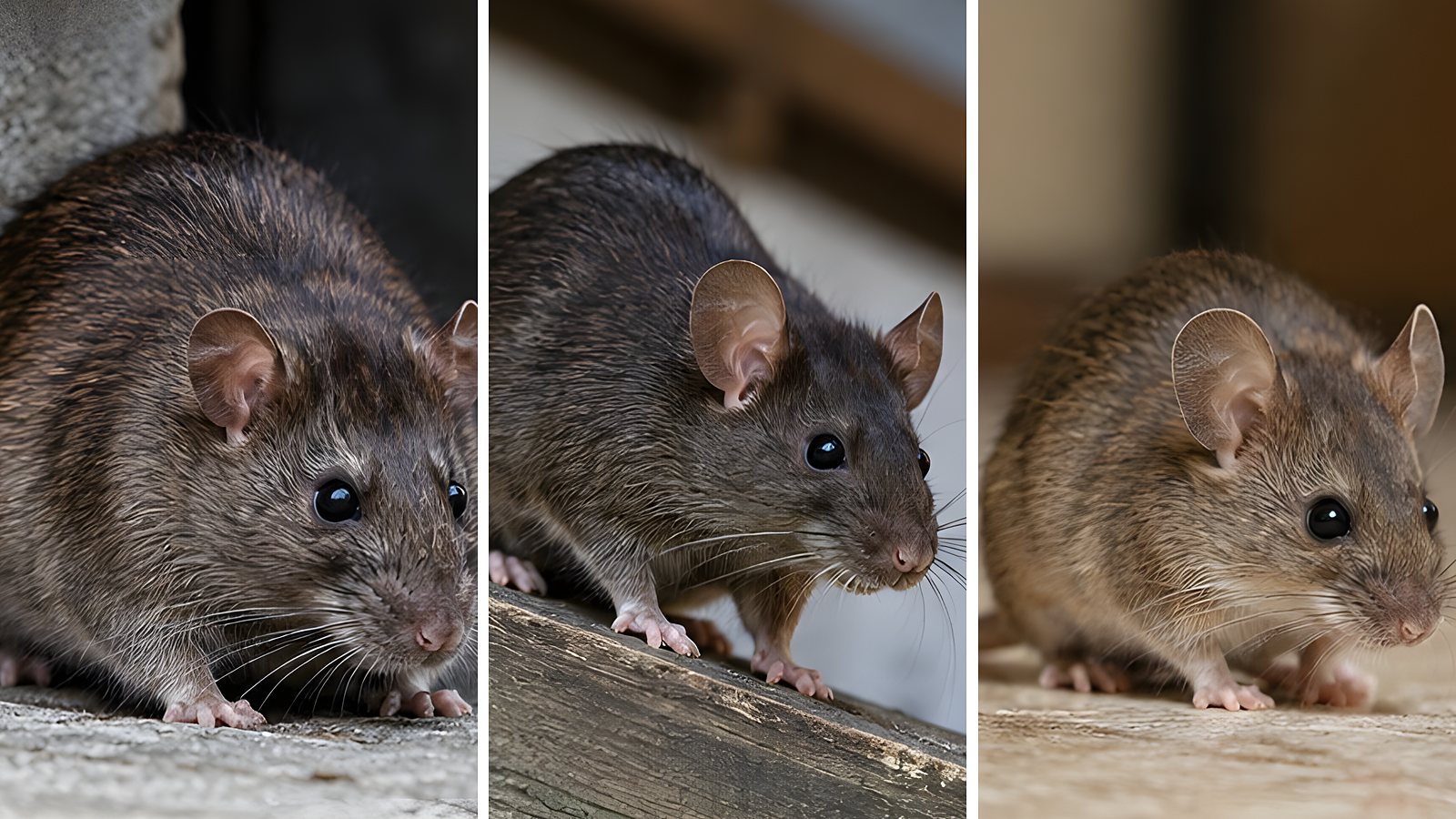
Three rodents, three habits, and the gaps that let them in.
Rats and mice gnaw, contaminate and multiply, mostly out of sight in ceilings, voids and store rooms. In Saudi Arabia they move indoors twice a year: when summer heat drives them to water and cool buildings, and again when the weather turns cold. This guide shows which rodent you are dealing with, how to read the signs and how to close the gaps.
Species
Rodent species found in Saudi Arabia
01
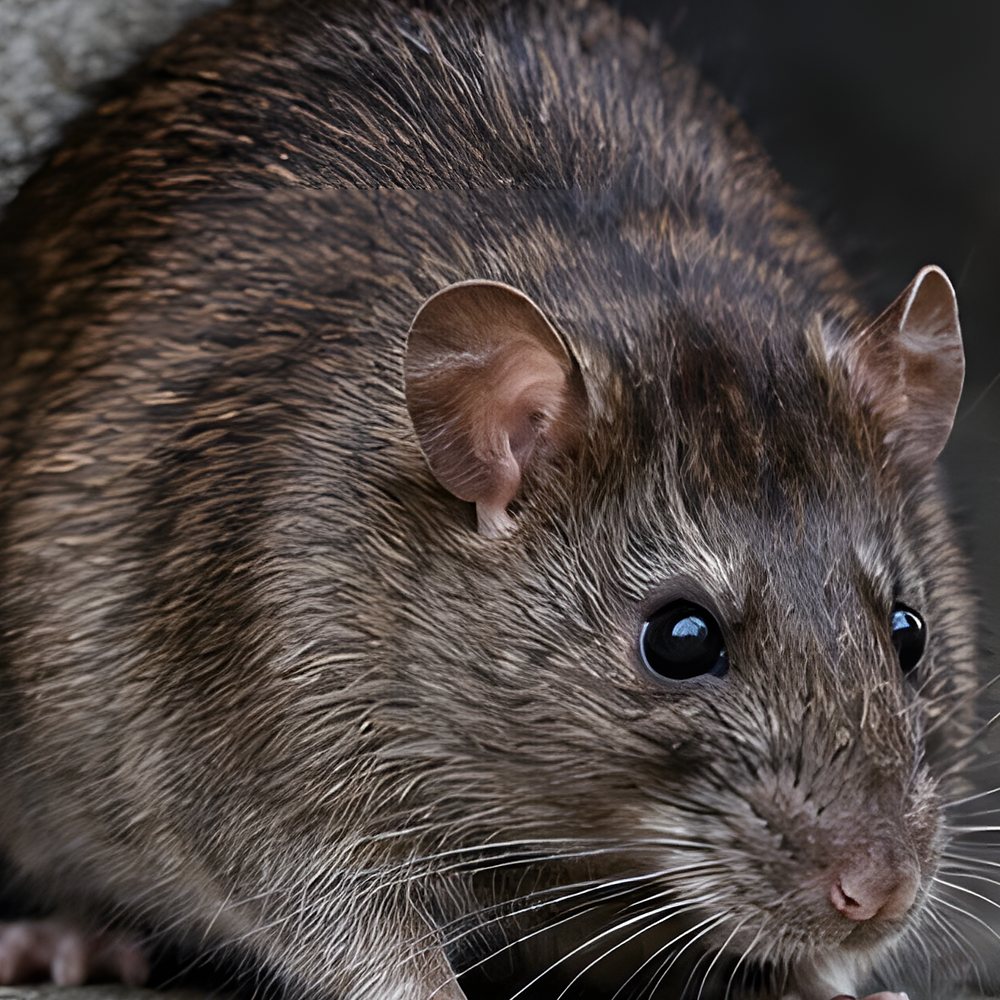
Norway rat (brown rat)
Heavy and thickset, 200–500 g, with a blunt nose, small ears and a tail shorter than its body. It burrows at ground level, in sewers, under paving and around bin stores, swims well and keeps to lower floors, kitchens and loading bays.
02
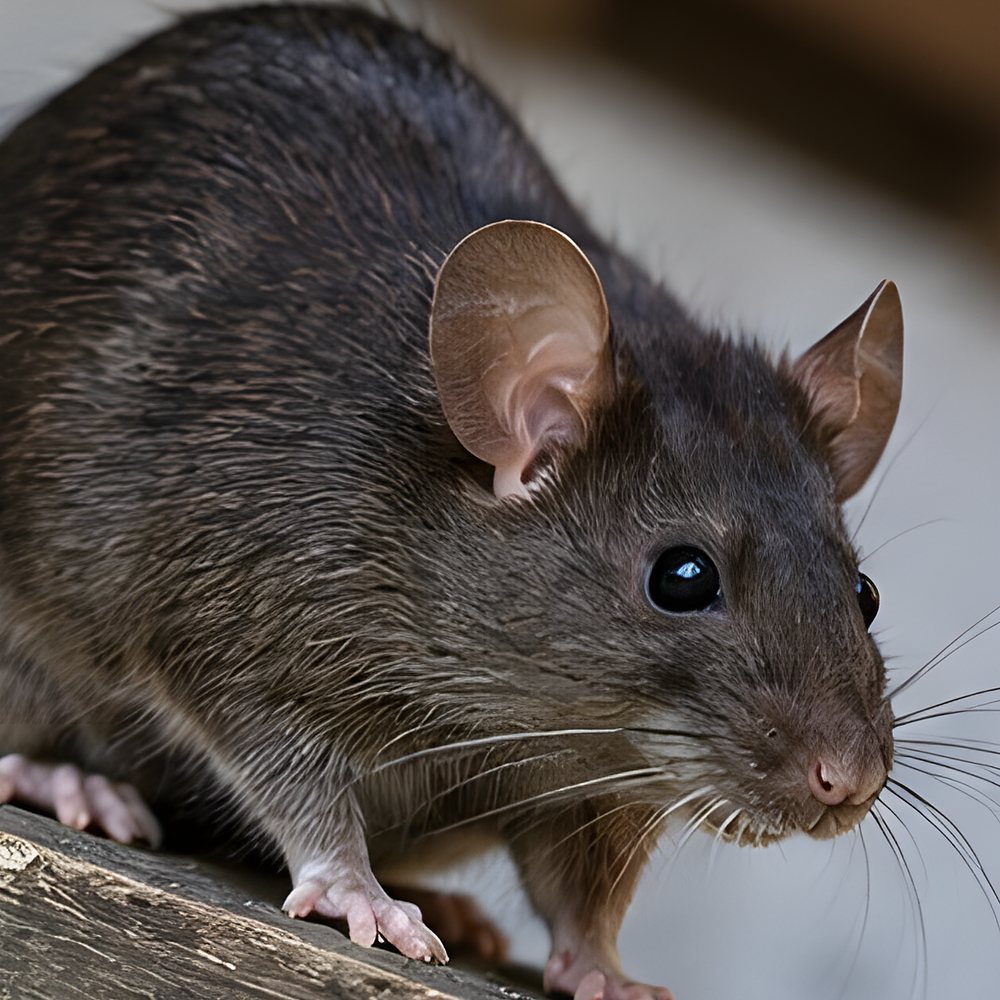
Roof rat (black rat)
Slimmer, 150–250 g, with a pointed nose, large ears and a tail longer than its body. An agile climber, it reaches buildings along cables, trees and date palms and lives in roof voids, false ceilings and high shelving. The usual source of noises overhead.
03
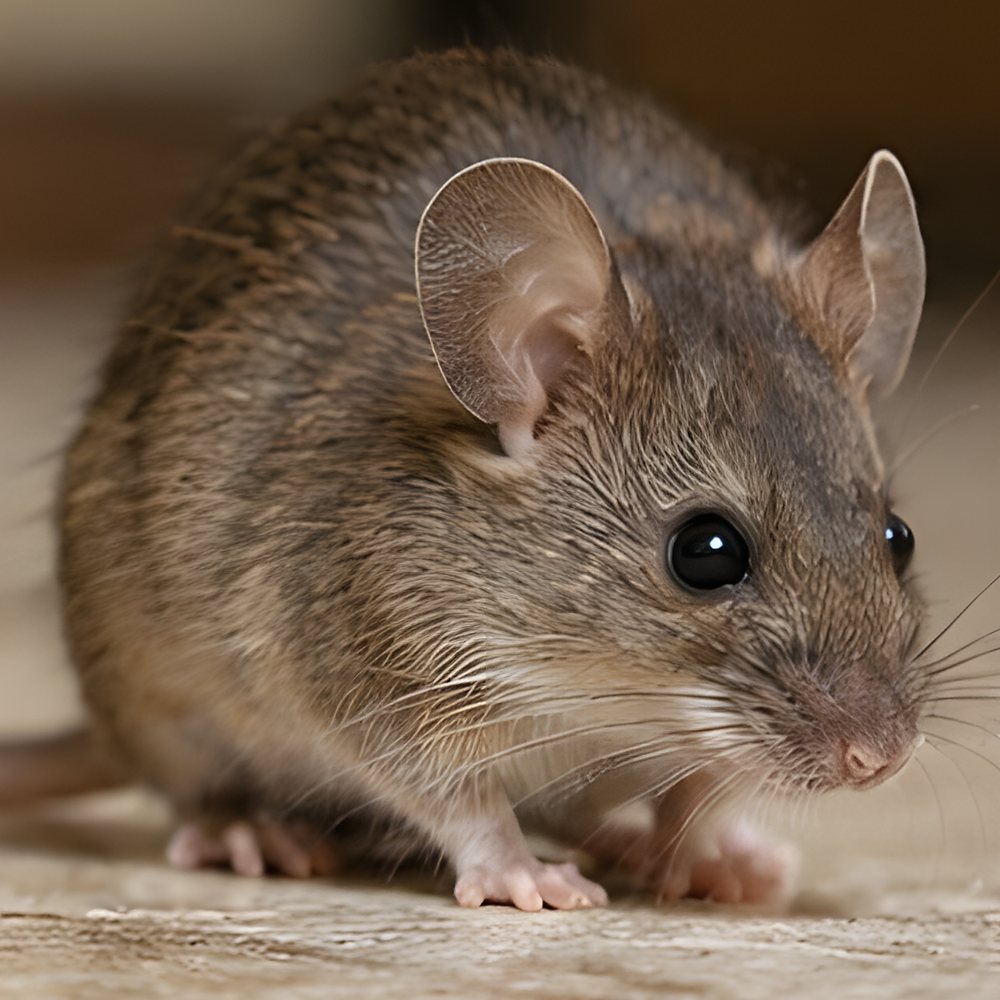
House mouse
Small, 12–30 g, grey-brown with large ears and a thin tail about the length of its body. It nests within a few metres of food, gets most of its water from what it eats and passes through a gap the width of a pencil. Curious where rats are cautious.
04
Desert rodents at the city edge
Compounds, farms and sites bordering open ground also see jirds and gerbils: sand-coloured, with furry tails and long hind feet. They burrow in the open and rarely settle indoors, so a sighting usually means the perimeter needs attention, not the building.
Identification
How to tell rats and mice apart
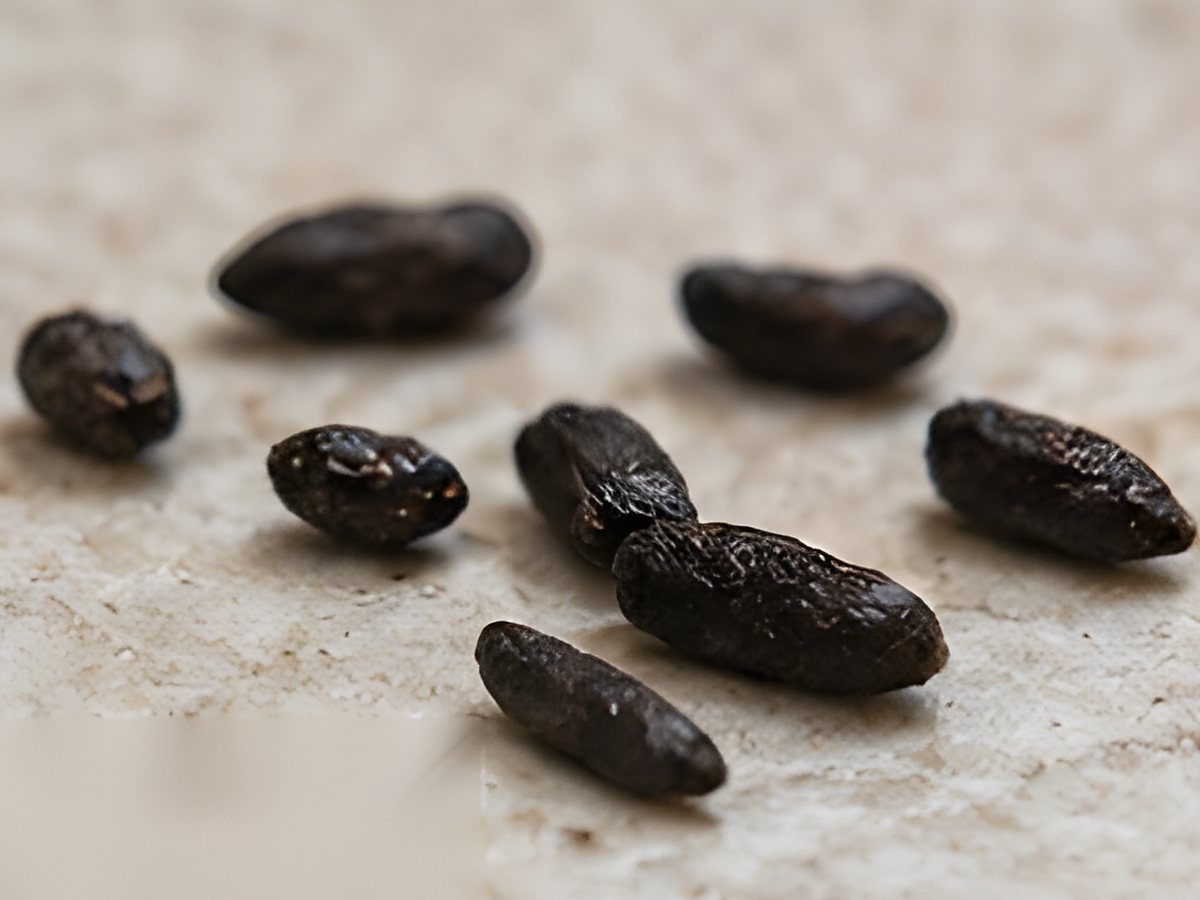
You will usually see droppings and damage before you see the animal, and droppings are the quickest guide. Size, shape and freshness tell you the species, whether it is still around and roughly how many. When you get a glimpse, look at the tail, the ears and the way it moves: a climber along a cable is a roof rat, a runner along the base of a wall is a Norway rat, and a quick dart under a cupboard is a mouse.
Norway rat droppings: 15–20 mm, thick, blunt-ended, in groups along runs
Roof rat droppings: 10–12 mm, slimmer, pointed at the ends, scattered where it feeds
Mouse droppings: 3–6 mm, like dark grains of rice, dozens a night, everywhere it goes
Fresh droppings are soft and dark; old ones are grey, dry and crumble
Tail longer than the body means roof rat; shorter and thick means Norway rat
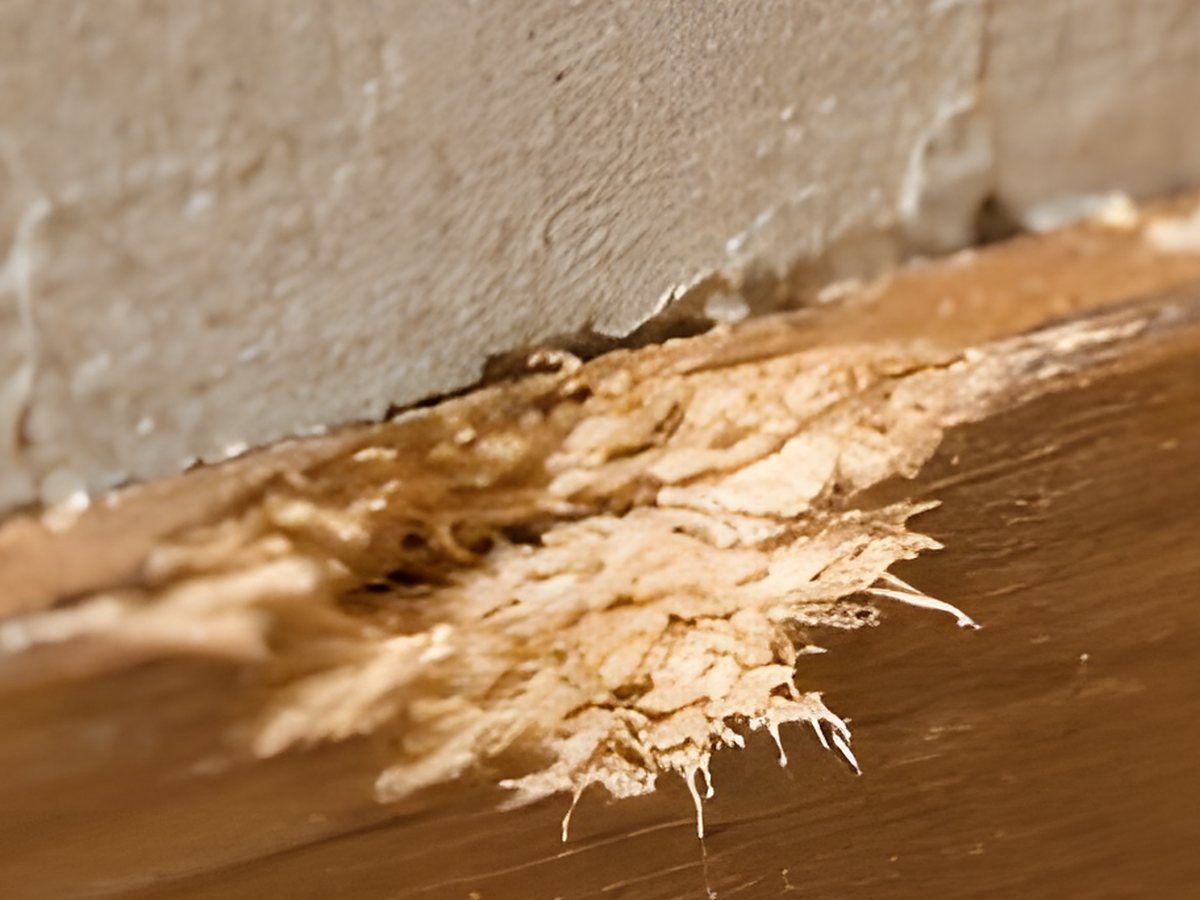
Gnaw marks: two parallel grooves; small and fine from mice, broad and rough from rats
Habitat and behaviour
How rodents live, breed and get indoors
Rodents move at night along walls, pipes and cable trays, leaving greasy rub marks. Their front teeth never stop growing, so they gnaw constantly: cables, pipes, timber and soft mortar. A mouse is fertile at six weeks and breeds every few weeks; a rat raises several litters of six to twelve a year. A mouse enters through a 6 mm gap, a rat through about 12 mm: under doors, around AC conduits, through broken gully traps and vents. In Saudi Arabia they come indoors in the hottest months for water and cool voids, and again when it turns cold, for food and warmth in kitchens, stores and ceilings.
What to look for
Droppings
Rat droppings are 10–20 mm, mouse droppings 3–6 mm; fresh ones are dark and soft.
Gnaw marks
Pale, fresh tooth marks and shavings on wood, plastic and cables.
Warning signs
Signs of rats or mice
Droppings along skirting, in cupboards, on shelving or around stored goods
Gnawed cables, pipes, door bottoms and food packaging
Scratching, scurrying or gnawing sounds in the ceiling or walls at night
Dark greasy smears along walls, pipes and around holes
Burrow holes 6–9 cm wide near foundations, bin stores, drains or planters
Nests of shredded paper, fabric or insulation in voids, drawers or engine bays
A stale ammonia smell in enclosed spaces
Footprints and tail marks in dust, flour or spilled powder
Why it matters
Why rodents matter
01
Disease and contamination
Rodents carry bacteria such as Salmonella in their droppings and Leptospira in their urine, and shed both wherever they feed and run: on worktops, in stored food and in water that pools near leaks or drains.
02
Fire and equipment damage
Gnawed cable insulation causes short circuits and is a recognised cause of electrical fires. Rodents also chew pipes, AC drain lines, insulation, vehicle wiring and the stock in a warehouse.
03
Audits, recalls and closures
In food factories, kitchens, warehouses and pharmacies, one dropping found by a Balady, SFDA or client auditor can mean a failed audit, a destroyed batch or a closed line.
04
They breed faster than you notice
A pair of mice in a store room in spring is a colony by summer. Rats burrow under slabs and paving, and the longer they stay the more routes, nests and gnawed entry points there are to find.
Prevention
How to keep rodents out
Close every gapFit brush strips under external doors, mesh over vents and drains, and pack gaps around pipes and conduits with steel wool before sealing. A mouse needs 6 mm; a rat, about 12 mm.
Manage waste properlyKeep bins lidded and on hard standing, empty them daily in kitchens, clean up spills under containers and keep the bin store away from doors and vents.
Store food and stock off the floorDry goods belong in sealed containers; pallets and cartons on racking with a clear gap below and a visible strip along the walls, so droppings and runs are seen early.
Cut the climbing routesPrune trees and palm fronds back from roofs and walls, fit guards on external cables and pipes, and keep creepers off the facade; roof rats use all of them.
Remove water and shelterFix leaks, clear standing water from AC drains and planters, and remove the clutter, pallets and overgrown vegetation along the perimeter that hide burrows and nests.
Keep drains and traps intactNorway rats travel through sewers. Repair broken gully gratings, keep inspection chamber covers seated and water in unused traps, and fit one-way valves where drains have been a route before.
Check deliveries and vehiclesRodents arrive in pallets, produce crates and containers. Inspect goods on the dock before they go into the store, and keep roller doors closed between deliveries.
How we deal with it
When to call a professional
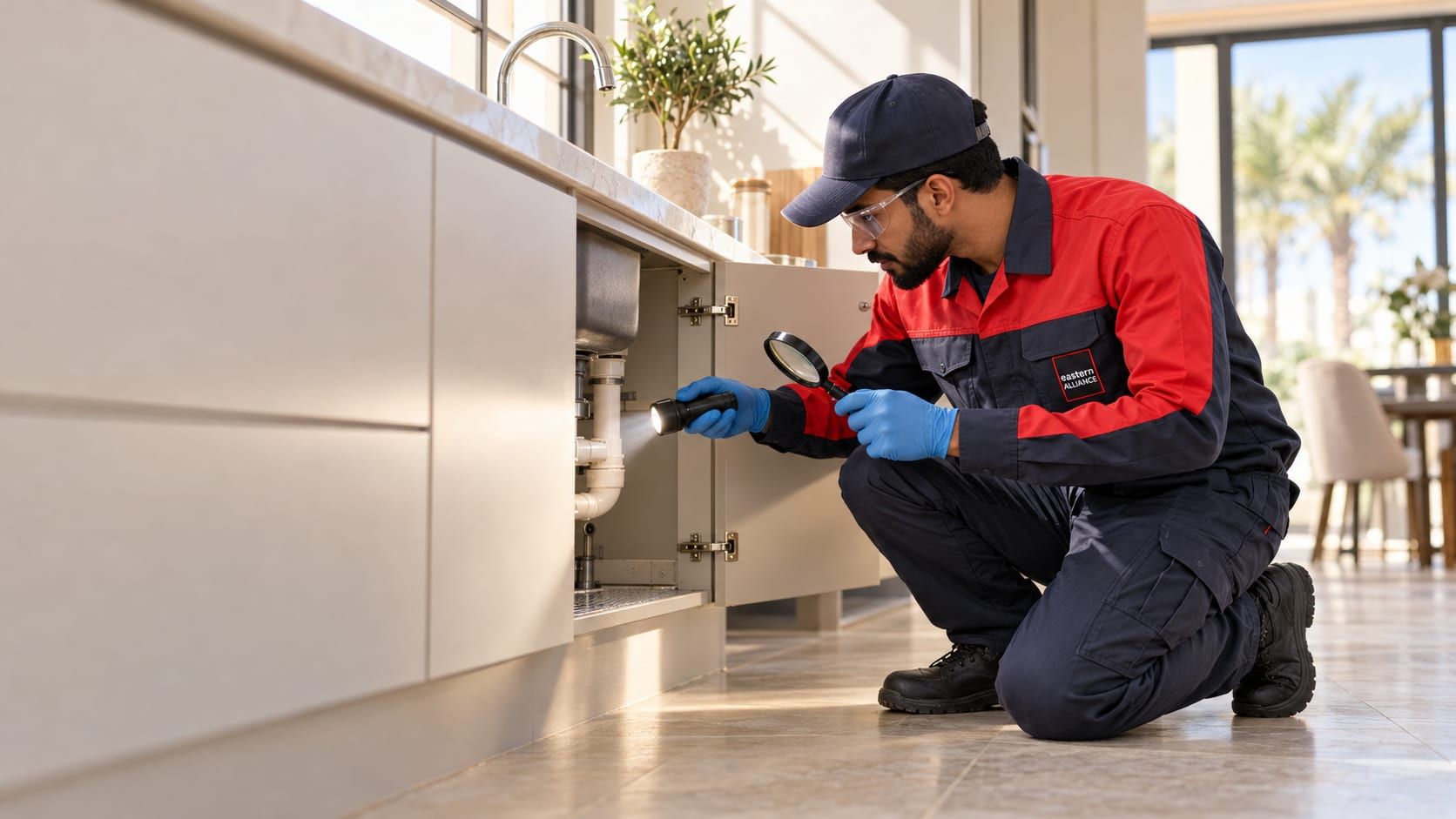
Call when you find droppings in more than one place, hear noises overhead, see a rat by day, or at once in food premises. Loose poison at home risks children and pets, leaves dead rodents in wall voids and does nothing about the gap. We inspect first, find the entry points, then quote an itemised plan: proofing, traps and tamper-resistant bait stations, monitored on schedule with a written report after each visit.
Our services that cover this pest, from inspection to monitoring.
Look at the droppings. Mouse droppings are 3–6 mm, like dark rice grains, and there are many of them. Rat droppings are 10–20 mm and far fewer. Mice nest close to food inside the building; rats often live outside or in voids and come in to feed.
Why do I hear noises in the ceiling at night?
Scurrying and gnawing overhead after dark usually means roof rats, which climb in along cables, trees or palms and nest in roof voids and false ceilings. Check for droppings on ceiling tiles and greasy marks where pipes enter the void.
Can rats come up through drains and toilets?
Norway rats live and swim in sewers and can follow a pipe into a building through a broken gully trap, a dry floor drain or a damaged soil pipe. Keeping traps filled, gratings intact and chamber covers seated closes most of the route.
Are rodent baits safe around children and pets?
Professional baits go inside locked, tamper-resistant stations fixed where children, pets and birds cannot reach them, and the technician records every station and explains what to keep clear. Follow the instructions you are given and never move or open a station.
Will one visit solve a rat problem?
Rarely. Rodents are cautious of new objects, breed quickly and keep using the same gaps, so control means proofing the entry points, trapping or baiting the population and monitoring until activity stops. Call us or request a quote online; we inspect first and quote an itemised plan.
Why do rodents come indoors in summer?
In peak summer the ground, bins and burrows offer little water and no relief, so rats and mice follow AC condensate, irrigation and cool voids into buildings. In winter the movement repeats for warmth and food, which is why sightings peak at both ends of the year.
Aedes, Culex and Anopheles: how to tell them apart, where they breed around Saudi homes and sites, what they can carry and how to stop them at the source.
Paper wasps, hornets, honey bees, stinging ants and scorpions: where they nest, when they are active, what a sting needs and what never to do yourself.
Ants, silverfish, beetles, pantry moths, centipedes, fleas and ticks: how to recognise the everyday crawling insects of Saudi homes and what keeps them out.
Which snakes turn up around Saudi homes, farms and sites, how to read the signs, what to do after a bite and how to make your property less inviting.
Read the guide
This guide is general information for homes and facilities in Saudi Arabia. Species and their behaviour vary by region and season, and the right treatment is decided after an inspection.