Mosquitoes start in a cupful of standing water, usually yours.
Three mosquito groups matter in Saudi Arabia: Aedes, biting by day and breeding in clean water in containers; Culex, whining at night and breeding in drains and dirty water; and Anopheles, mainly in the south-west. All three need standing water for about a week to grow up, which is why finding that water matters more than any spray.
Species
Mosquitoes met in Saudi Arabia
01
Aedes (Aedes aegypti)
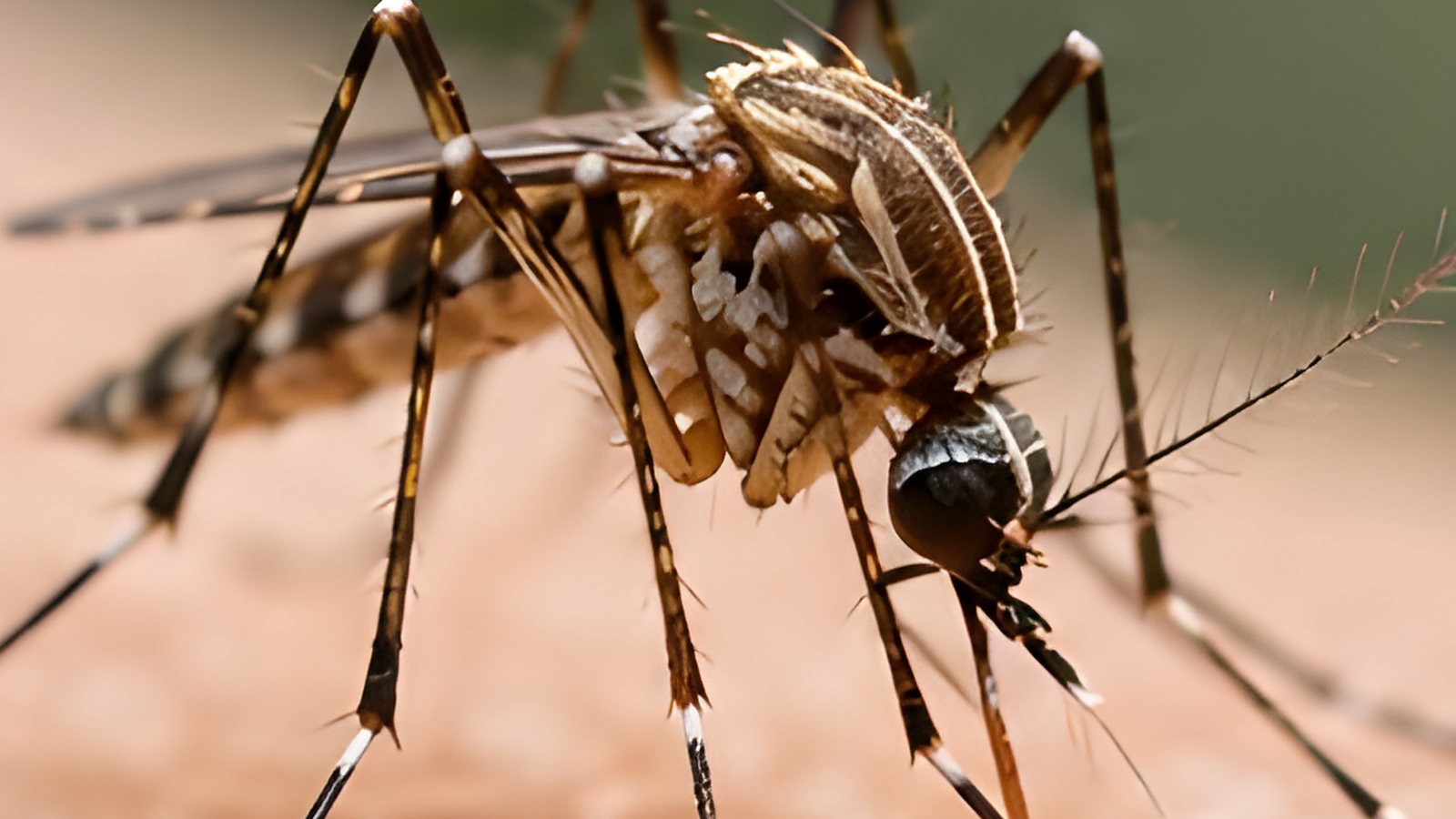
Small and black with white-banded legs. Bites by day, mostly morning and late afternoon, and rarely flies far from the container it hatched in. Breeds in clean water in tanks, trays and planters and carries dengue on the Red Sea coast, as in Jeddah and Jizan.
02
Culex
Dull brown with no bold markings, the one whining in the bedroom at night. Breeds in stagnant, dirty water: blocked drains, septic tanks, manholes, sewage ponds and neglected pools. Mainly a nuisance biter, though it carries viruses in some regions.
03
Anopheles
Rests tilted at an angle to the wall and has spotted wings. Bites at night and breeds in clean, sunlit, shallow water: stream edges, rain pools and irrigation seepage. Mainly in the south-west, where malaria historically occurred and is still monitored.
04
How the larvae differ
Aedes and Culex larvae hang head-down from the surface by a breathing tube; Anopheles larvae lie flat along it. Culex lays eggs in floating rafts, while Aedes glues single eggs to container walls just above the waterline, where they survive dry for months.
Identification
How to recognise a mosquito and its larvae
Adults are 3–6 mm, slender, with long legs, one pair of narrow wings and a long piercing mouthpart; only the females bite, because they need blood to produce eggs. The whine is the wingbeat. Larvae are the surest sign: grey wrigglers hanging from the water surface that dive when the water is disturbed, and comma-shaped pupae that tumble. Check tanks, trays and saucers in good light.
Aedes: black and white, striped legs, bites in daylight around the ankles
Culex: plain brown, active after dark, rests flat against walls
Anopheles: spotted wings, rests tilted at an angle, bites at night
Larvae: 5–10 mm wrigglers at the water surface that dive when disturbed
Pupae: dark comma shapes that tumble through the water; adults emerge within days
Bites: itchy raised bumps, often several in a line or cluster on exposed skin
Habitat and behaviour
Where mosquitoes breed in Saudi homes and sites
Egg, larva, pupa, adult: in warm weather the cycle takes a week to ten days, and any water that stands that long will do. Around Saudi homes that means AC drip trays, tanks without tight lids, plant saucers, buckets, tyres, unused pools, blocked gutters, manholes, septic tanks and puddles from leaking irrigation. On the humid Gulf and Red Sea coasts mosquitoes breed all year, with peaks after rain; inland they follow irrigation and leaks more than the calendar. Adults rest by day in shaded, humid spots like dense shrubs and bathrooms, and get in through open doors, torn mesh and gaps at pipes.
Warning signs
Signs mosquitoes are breeding on your property
Bites at dawn and dusk in the garden, or by day around the ankles
A whine in the bedroom at night and mosquitoes resting on walls in the morning
Wrigglers in AC trays, tank corners, plant saucers or a sagging pool cover
Water that has stood for more than a few days anywhere on the site
Mosquitoes rising from shrubs, planters or drains when you brush past
Residents, guests or night-shift staff complaining of bites
Leaking irrigation or AC drains keeping soil and gullies permanently wet
Why it matters
Why mosquitoes cannot be ignored
01
Dengue in the Red Sea region
Aedes aegypti carries dengue fever, recorded along the Red Sea coast, including Jeddah and Jizan. It breeds inside homes and compounds, so container control on every property is part of the public response. Fever and severe headache after bites need a doctor.
02
Malaria in the south-west
Anopheles mosquitoes historically transmitted malaria in the Jizan and Asir area. National control programmes have reduced it greatly and surveillance continues, so new standing water near farms and camps there is taken seriously.
03
Sleep, comfort and complaints
A single Culex in a bedroom ruins a night. In compounds, hotels, camps and hospitals, bites drive complaints, bad reviews and staff turnover long before anyone falls ill.
04
Infected bites and allergic reactions
Scratched bites get infected, particularly in children, and some people react with large swellings. Spreading redness, pus or fever around a bite needs medical attention.
05
A finding against the site
Municipal mosquito campaigns look for standing water, and open tanks, flooded basements and pooled irrigation on a compound or project site are findings against its owner, not the neighbours.
Prevention
How to stop mosquitoes at home
Empty, scrub, repeat weeklyTip out plant saucers, buckets, pet bowls and bird baths once a week and scrub the sides; Aedes eggs stick above the waterline and survive emptying alone.
Fix the AC dripRoute condensate from split and window units into a drain, not a tray or the ground under the window, and clean any tray that has to stay.
Lid every tankRoof and ground tanks, drums and water features need tight lids or fine mesh over every opening, including the overflow pipe.
Keep irrigation tight and on timeRepair leaking drip lines and sprinkler heads, stop water pooling on lawns and in planters, and do not over-water; standing water in a planter is a nursery.
Deal with pools, ponds and drainsKeep pools filtered and chlorinated or drained and covered, stock ponds with fish or treat them, and clear gutters, gullies and manholes so water runs rather than sits.
Screen and sealFit intact fine mesh on windows and doors, close doors at dusk, seal the gap around AC pipes and use nets or repellents where mosquitoes still get through.
Cut the resting placesTrim dense shrubs and ground cover near doors and seating, and keep the shaded, damp corners where adults wait out the day tidy and dry.
How we deal with it
When to call a professional
Call when bites continue after every container you can find is dealt with, when water cannot be drained (ponds, basements, construction pits), or when a compound, hotel or camp needs full cover. Our survey maps breeding sites, treats water that must stay with larvicide, fogs or ULV-sprays open areas when adults peak, and can add smart mosquito traps on commercial sites. Itemised quote first, written report after.
Our services that cover this pest, from inspection to monitoring.
Daytime bites, especially around the ankles in the early morning and late afternoon, point to Aedes. It breeds in clean water in containers close to where it bites, usually on your own property or next door: tanks, AC trays, plant saucers, buckets. Finding and scrubbing those containers is the fix; it rarely flies more than a few hundred metres.
How long do mosquitoes take to breed?
In warm weather, about a week to ten days from egg to flying adult, sometimes less in peak summer. That is why weekly emptying works: water that never stands a full week never produces mosquitoes.
Is dengue a risk where I live?
Dengue has been recorded mainly along the Red Sea coast, including Jeddah and the Jizan region, where Aedes aegypti is established. Elsewhere the risk is lower, but the same mosquito can breed wherever containers hold clean water. Fever, severe headache and muscle pain within two weeks of bites need prompt medical advice.
Do mosquito coils, plug-ins and bug zappers work?
Coils and plug-in repellents reduce bites in the room they are used in while they run; zappers mostly kill moths and harmless insects. None of them touches the larvae, so the mosquitoes return every night until the water they breed in is found and dealt with.
Can mosquitoes breed in my water tank?
Yes, if any opening lets a female in: a missing lid, a gap at the inlet, an unscreened overflow. Larvae in a tank mean the water has been open to insects and dust, so the tank needs cleaning as well as sealing. Once sealed, it stays mosquito-free without any chemical.
How do you treat a compound or large site?
The survey comes first: every tank, tray, drain, planter and low spot is checked and mapped. Water that cannot be removed is treated with larvicide, open areas are fogged or ULV-sprayed when adults peak, and smart mosquito traps can run continuously in commercial areas. Call us or request a quote online; you receive an itemised quote and a written report after each visit.
Paper wasps, hornets, honey bees, stinging ants and scorpions: where they nest, when they are active, what a sting needs and what never to do yourself.
Ants, silverfish, beetles, pantry moths, centipedes, fleas and ticks: how to recognise the everyday crawling insects of Saudi homes and what keeps them out.
Which snakes turn up around Saudi homes, farms and sites, how to read the signs, what to do after a bite and how to make your property less inviting.
Read the guide
This guide is general information for homes and facilities in Saudi Arabia. Species and their behaviour vary by region and season, and the right treatment is decided after an inspection.