

Site survey
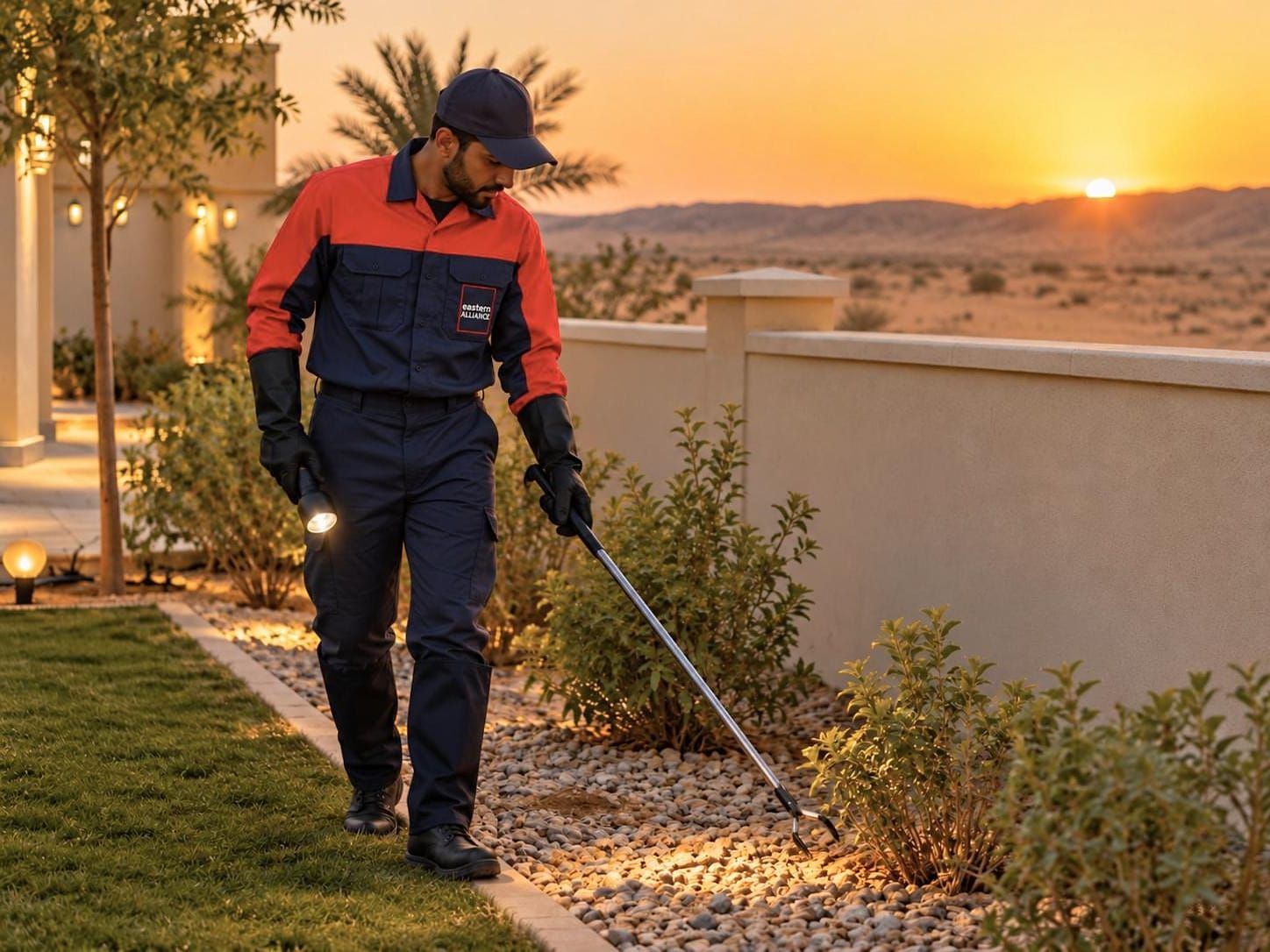
We walk the site to find where cats and dogs feed, shelter and get in: bin stores, loading bays, outbuildings and the gaps under fences and cabins.
Stray animal control · Compounds, schools, hotels & sites
Keep stray cats and dogs away, without harming them.
Stray cats and dogs settle wherever bins are open, food is left out and there is shade under a car or a cabin. They tear open waste, bring fleas and ticks and foul gardens. We find where they come from, make the site unattractive with repellents and proofing and, where cats have to go, use humane cage traps. The animals are never harmed.
When to call us
A cat passing through is normal. A group that returns every day means the site is feeding and sheltering them. These are the signs our technicians look for during a survey:
Scope
Why act now
Strays carry fleas and ticks into gardens, stairwells and ground-floor rooms, and their droppings, scratches and bites can pass on disease. Children and pets are the most exposed.
Waste pulled out of bins draws flies, cockroaches and rodents, so one problem becomes three. Your cleaners spend every morning on the same mess.
A cornered cat scratches and a pack of dogs intimidates, and a bite needs medical attention. Schools, nurseries, hospitals and compounds answer for that risk.
Cats breed several times a year, and a reliable food source draws more strays from the neighbourhood. A few animals become a colony within months if nothing changes.
Options
All humane. The mix depends on the animals, the site and how it is used.
We walk the site to find where cats and dogs feed, shelter and get in: bin stores, loading bays, outbuildings and the gaps under fences and cabins.
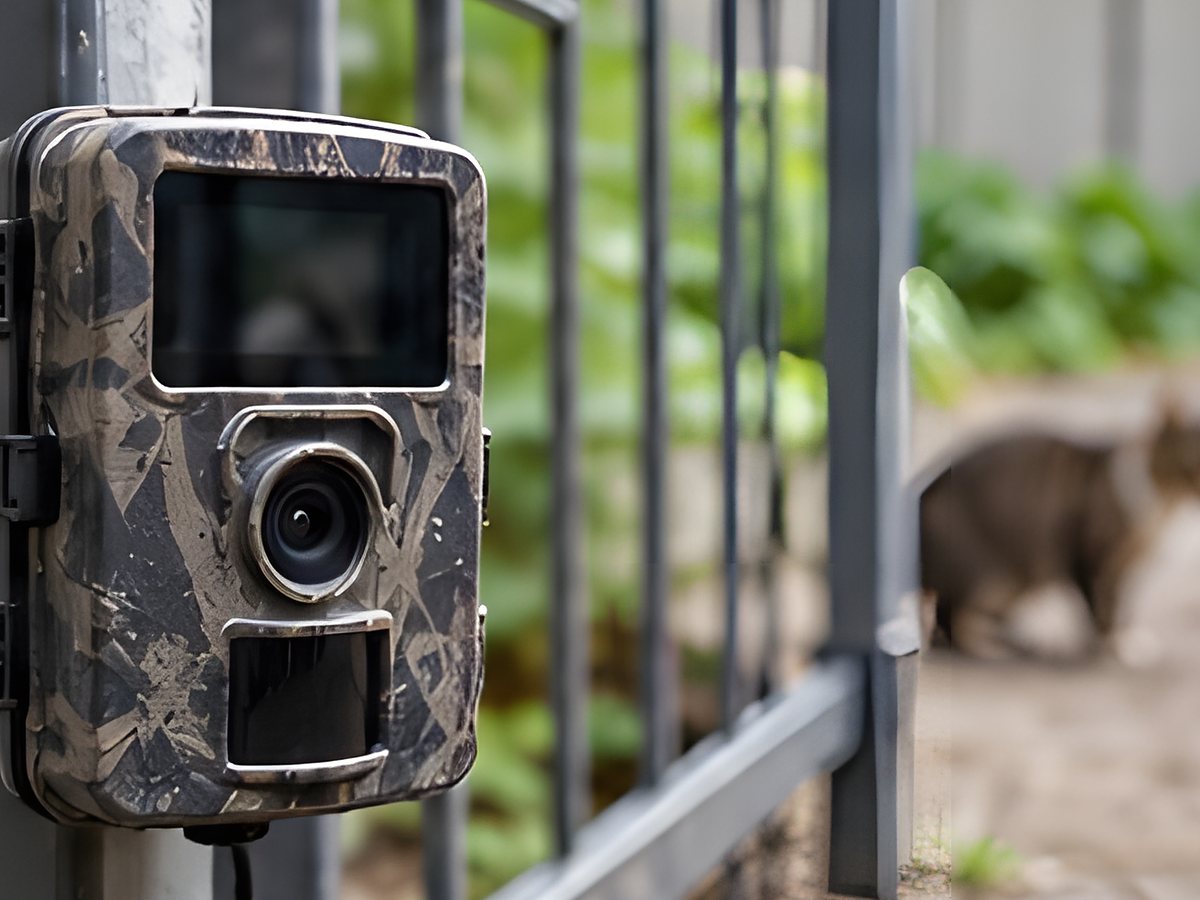
Camera traps and repeat checks show how many animals use the site, when they come and which routes they take, so the plan targets the right places.
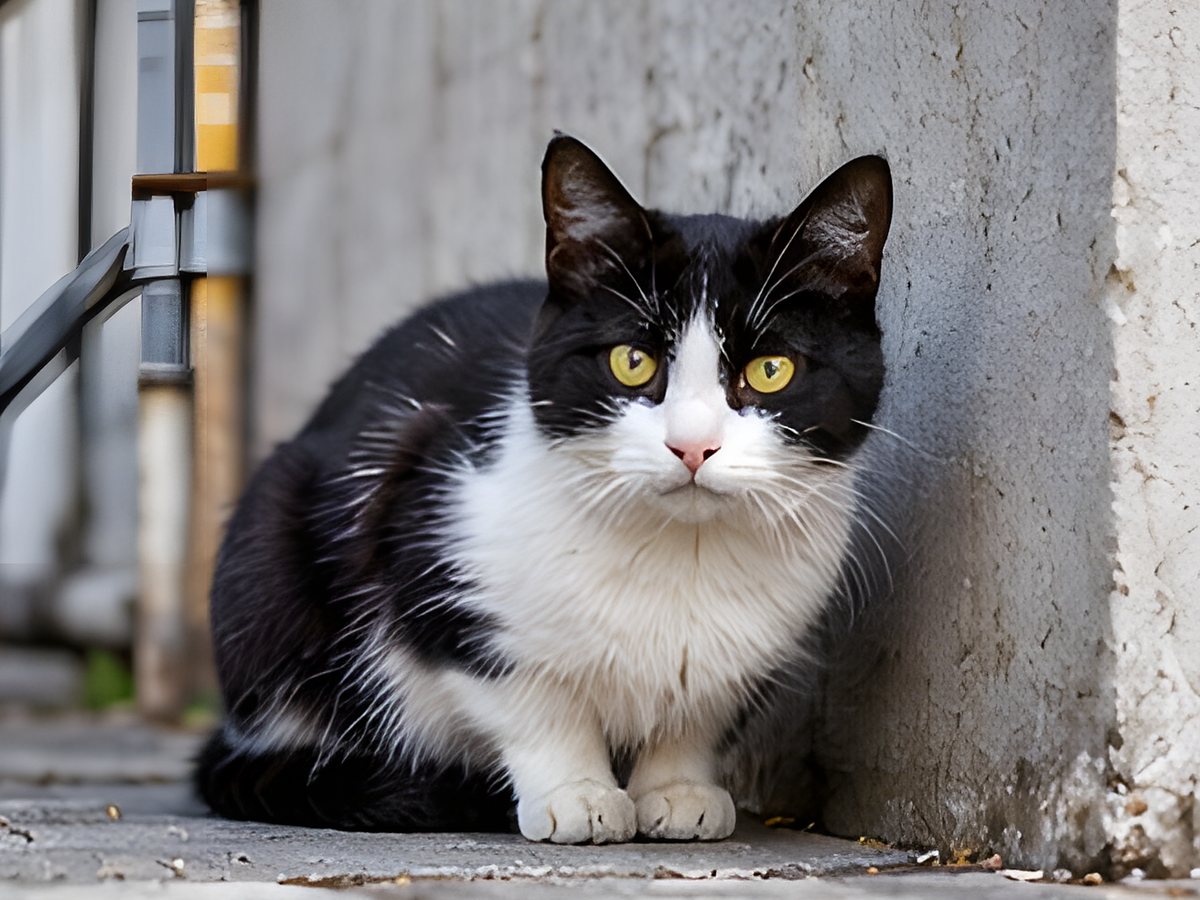
Scent-based repellents on boundaries, bin areas and resting spots, lidded and fenced bins, and the gaps under gates, fences and cabins closed or screened. Without food and shelter, most strays leave.
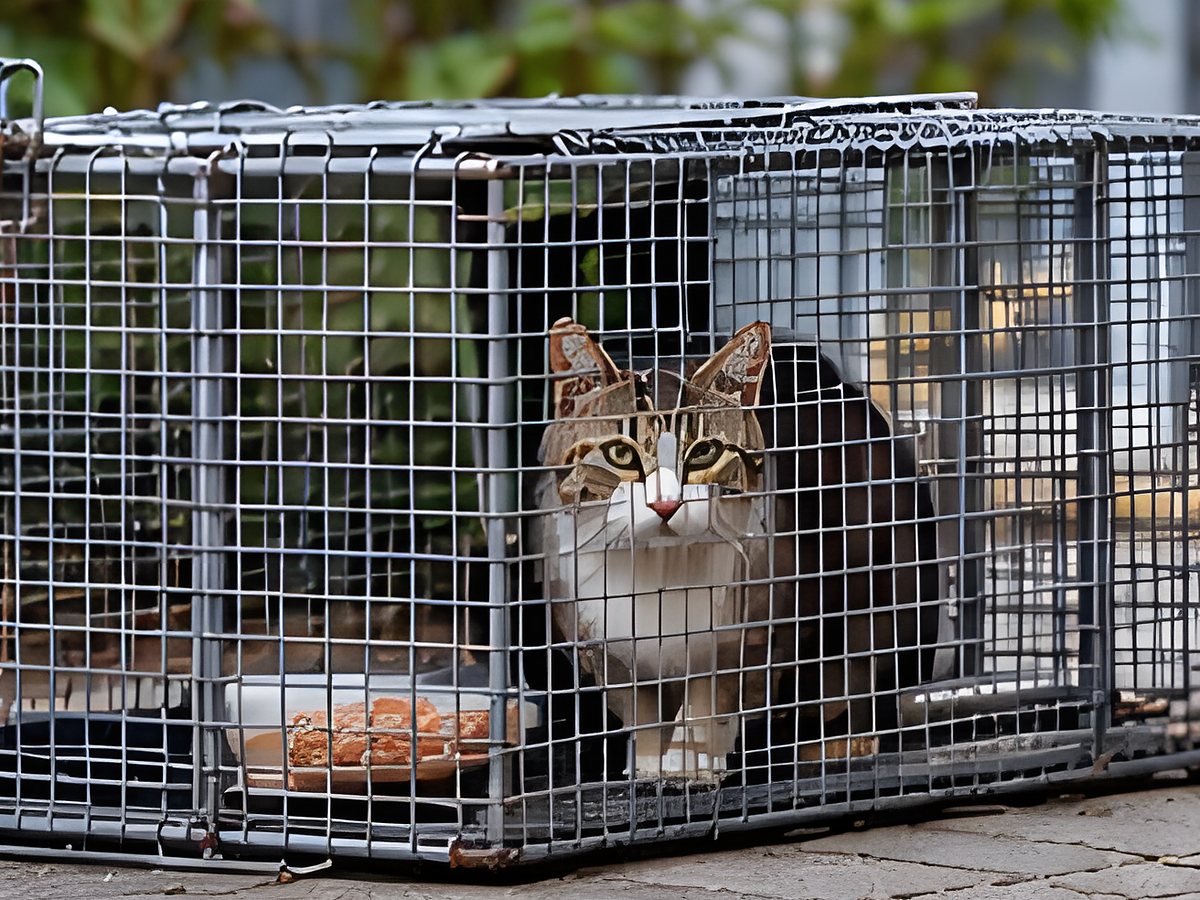
Where cats have to be removed, humane cage traps, checked regularly, catch them without injury, and they are relocated to approved places in line with local regulations. Stray dogs and large numbers are referred to the municipality.
Method
Every job follows the same four steps. The work is humane throughout: we change what attracts the animals instead of harming them.
We walk the property with you and find where the animals feed, drink and sleep, which bins and gaps they use and how they get in.
You receive a written scope: which areas get repellents, which bins, fences and gaps need proofing, where cameras or humane traps go if needed, and what your cleaners, tenants or staff should change.
Trained technicians apply scent-based repellents along boundaries, entrances and resting spots, and close or screen the gaps under gates, cabins and fences.
Repellents are renewed at the interval the plan sets, follow-up visits check that the animals have moved on, and each visit is reported in writing, backed by our service warranty.
Why Eastern Alliance
Repellents are applied to boundaries, bin areas and resting spots, not to living spaces, and your technician will tell you how long to keep children and pets away from treated spots. Do not try to catch or corner a stray yourself; a frightened cat or dog bites and scratches. If anyone is bitten or scratched, wash the wound and seek medical advice promptly.
Prevention
Strays stay where food, water and shelter are easy. Take those away and the repellents and proofing have far less to do.
Price and quote
There is no fixed rate: the quote follows the survey, so you pay for the repellents, proofing and visits your site needs and nothing more.
Survey first, then an itemised quote with no hidden extras.
Tell us what you are seeing and where. A coordinator will call you back to arrange a survey.
FAQ
Fleas and ticks treated in floors, carpets, pet areas, gardens and yards, with follow-up timed to the eggs and pupae that hatch later.
View serviceInspection, safe removal and proofing against snakes, lizards and other reptiles around homes, farms and sites.
View servicePigeon and bird proofing that protects facades, roofs and equipment from droppings and nesting.
View serviceAnts, grubs, aphids, mosquitoes and soil pests treated in villa gardens, compound lawns, hotel grounds and public landscaping.
View serviceOne programme for villas, apartments and compounds: inspection, targeted treatment and follow-up, safe around children and pets.
View serviceScheduled, documented pest control for offices, malls, hotels, restaurants, hospitals, schools and government buildings.
View service