Eastern Alliance — Home
Residential pest control by Eastern Alliance

Ant control · Kitchens, gardens & facilities

Ant control

Follow the trail to the nest, and treat it there.

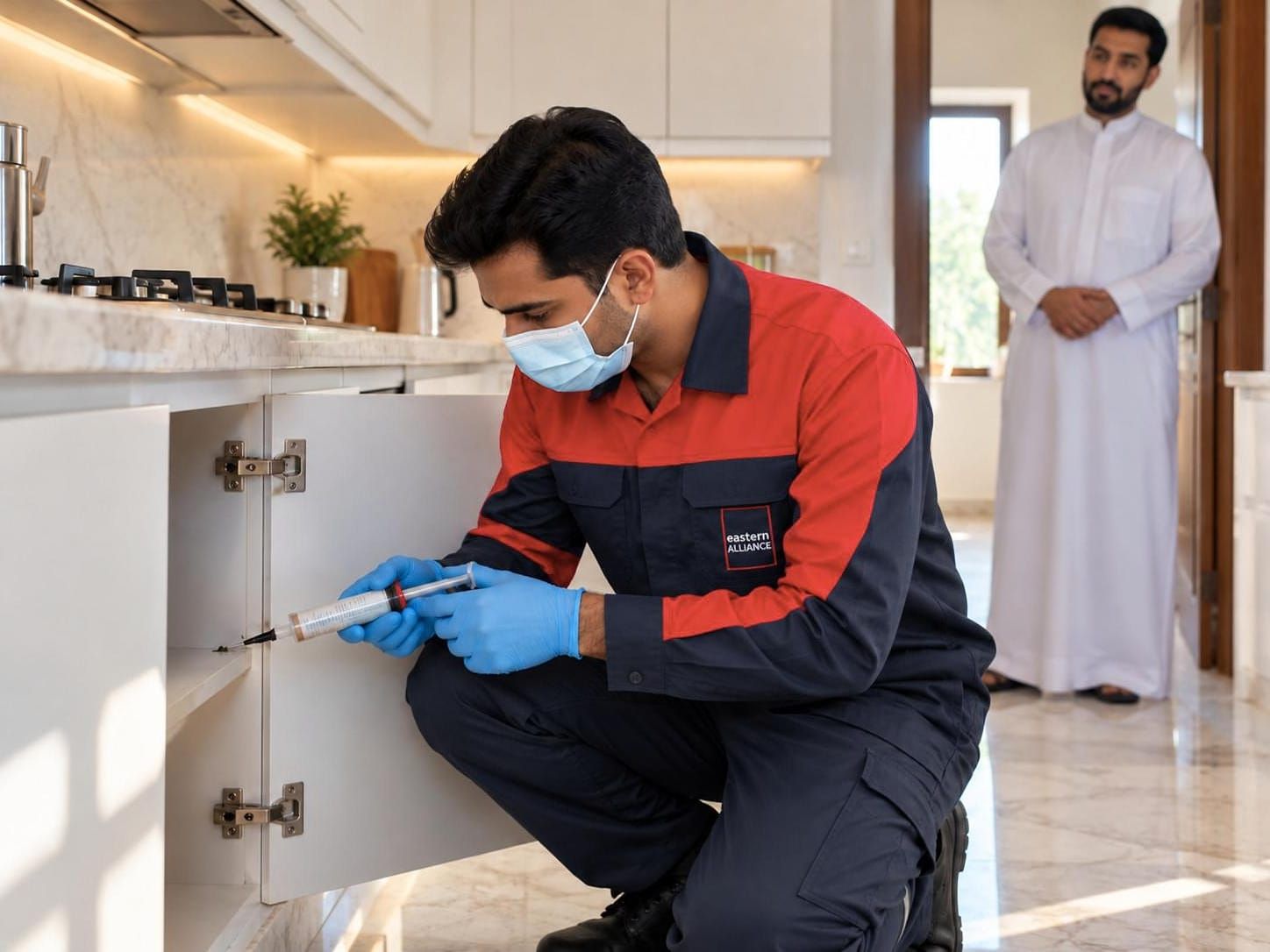
Spraying the ants on your worktop kills a few hundred workers and leaves the queen producing more. We trace the trails back to where the colony lives, in irrigated soil, wall voids or damp timber, use baits the workers carry into the nest, treat the perimeter and close the gaps they came through.

  • Baits that reach the nest
  • Perimeter & garden treatment
  • Entry points sealed

Service areas:Al KhobarDammamRiyadhJeddahJubailJizanTabukall of Saudi Arabia

When to call us

Signs of an ant problem

A few ants on the floor in summer are normal near any garden. These are the signs that a colony is feeding indoors or nesting in the structure:

  • Steady trails along skirting, worktops, pipe runs or door frames
  • Ants in rooms with no obvious food, such as pantries, wards or server rooms
  • Tiny yellowish ants near warm appliances, in kitchens or hospital rooms (pharaoh ants)
  • Fine sawdust-like frass below window frames, decking or timber (carpenter ants)
  • Winged ants indoors in spring or after rain
  • Mounds and loose soil along paving edges, lawn borders and irrigation lines

Scope

Ants we treat and where

  • Black garden ants trailing from gardens and paving into kitchens
  • Pharaoh ants in hospitals, hotels, kitchens and apartment blocks
  • Carpenter ants in door frames, decking, pergolas and timber roofs
  • Villas, apartments and compounds with irrigated gardens
  • Restaurant and central kitchens, food stores and bakeries
  • Hospitals, clinics, schools and government offices
  • Lawns, planters, palm beds and irrigation lines
  • Building perimeters, expansion joints and service entries

Know the pest

Ants we treat

Baits and nest treatments differ from species to species, so the technician identifies the ant first.

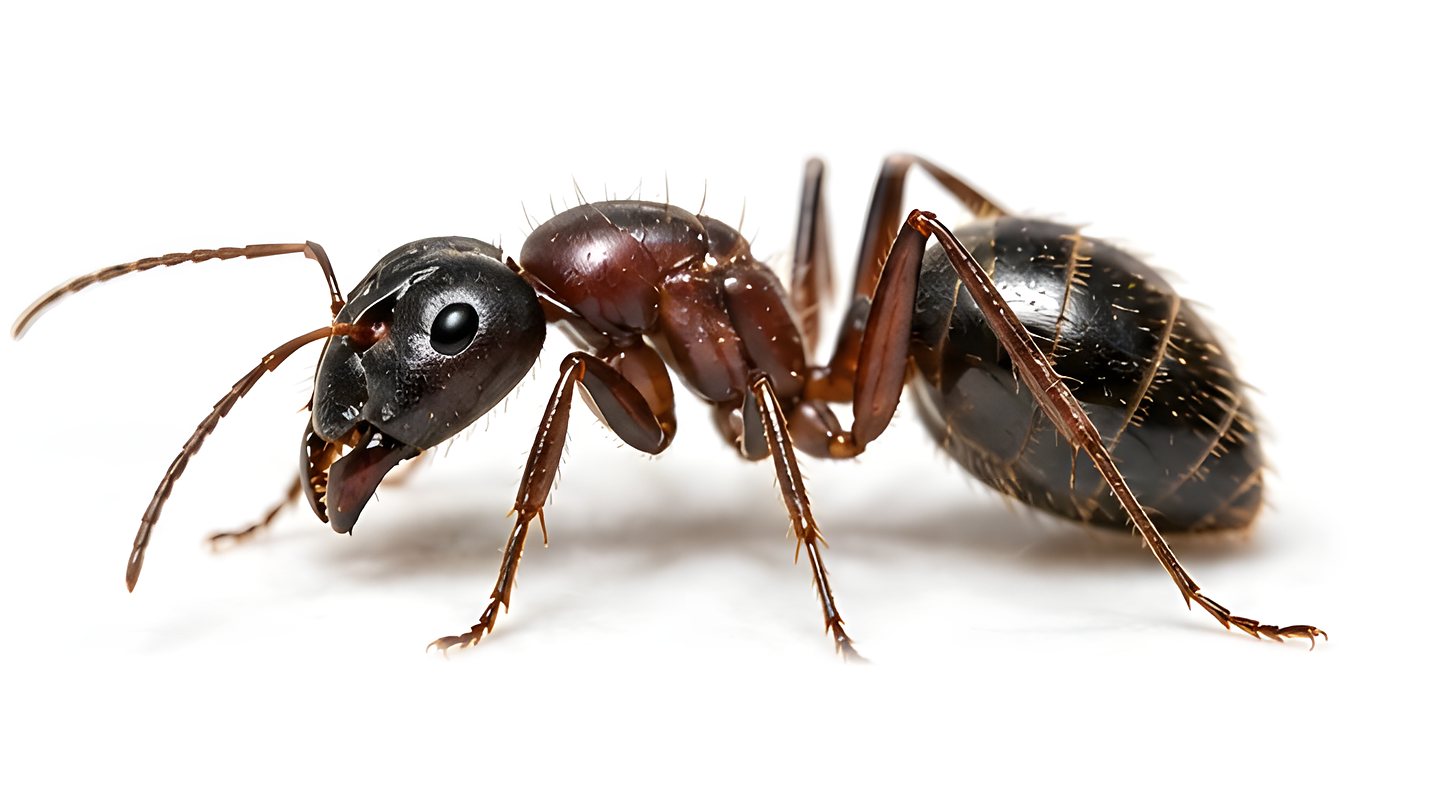
  • Pharaoh ant, tiny and pale yellow-brown, shown magnified on a white background

    Pharaoh ant

    Tiny, about 2 mm, pale yellow to light brown. Nests inside walls and appliances and splits into new nests when sprayed, so it is baited, never sprayed.
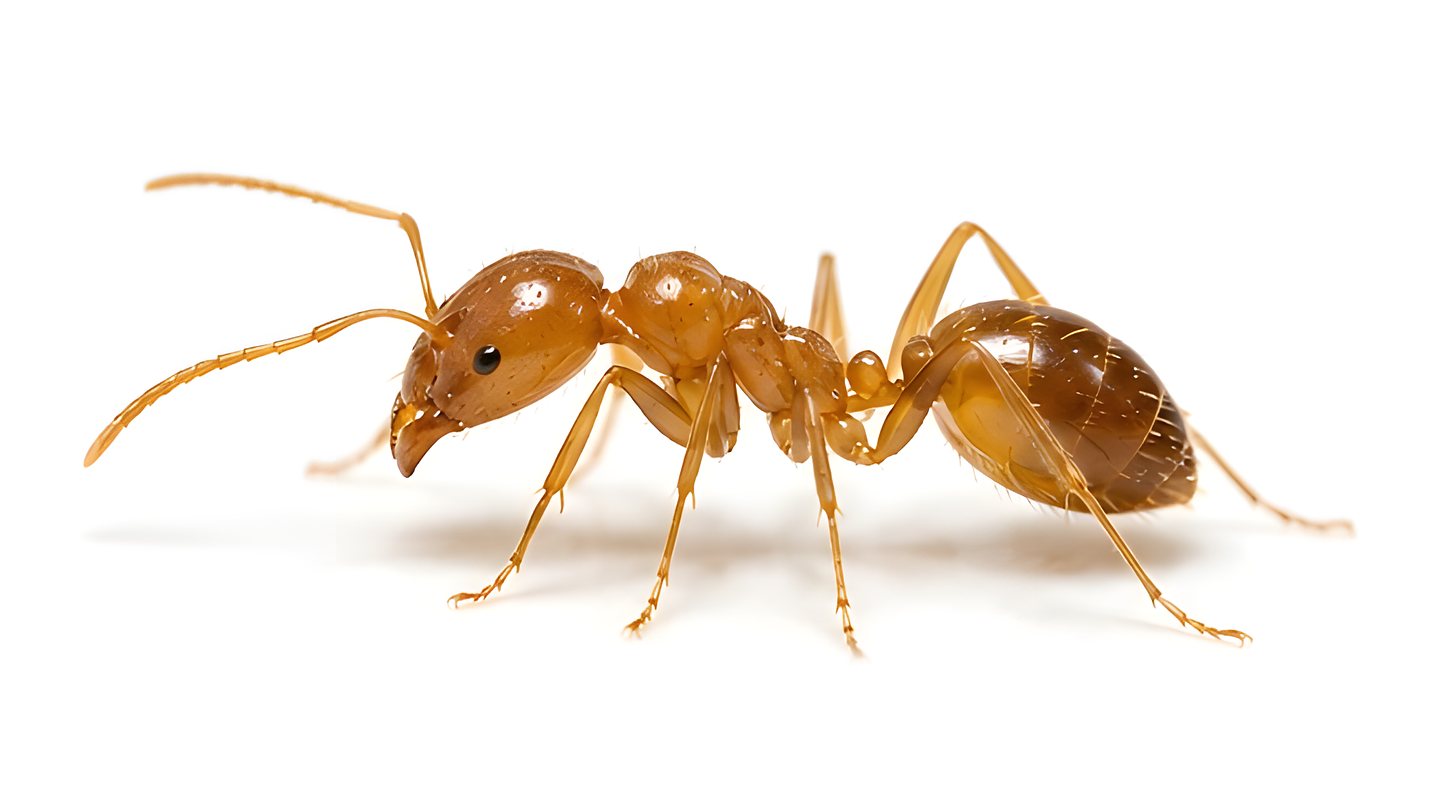
  • Carpenter ant, large and black with a reddish thorax, shown magnified on a white background

    Carpenter ant

    Large, up to about 12 mm, black or red and black. Nests in damp or damaged timber such as door frames and roof wood, leaving fine sawdust behind.
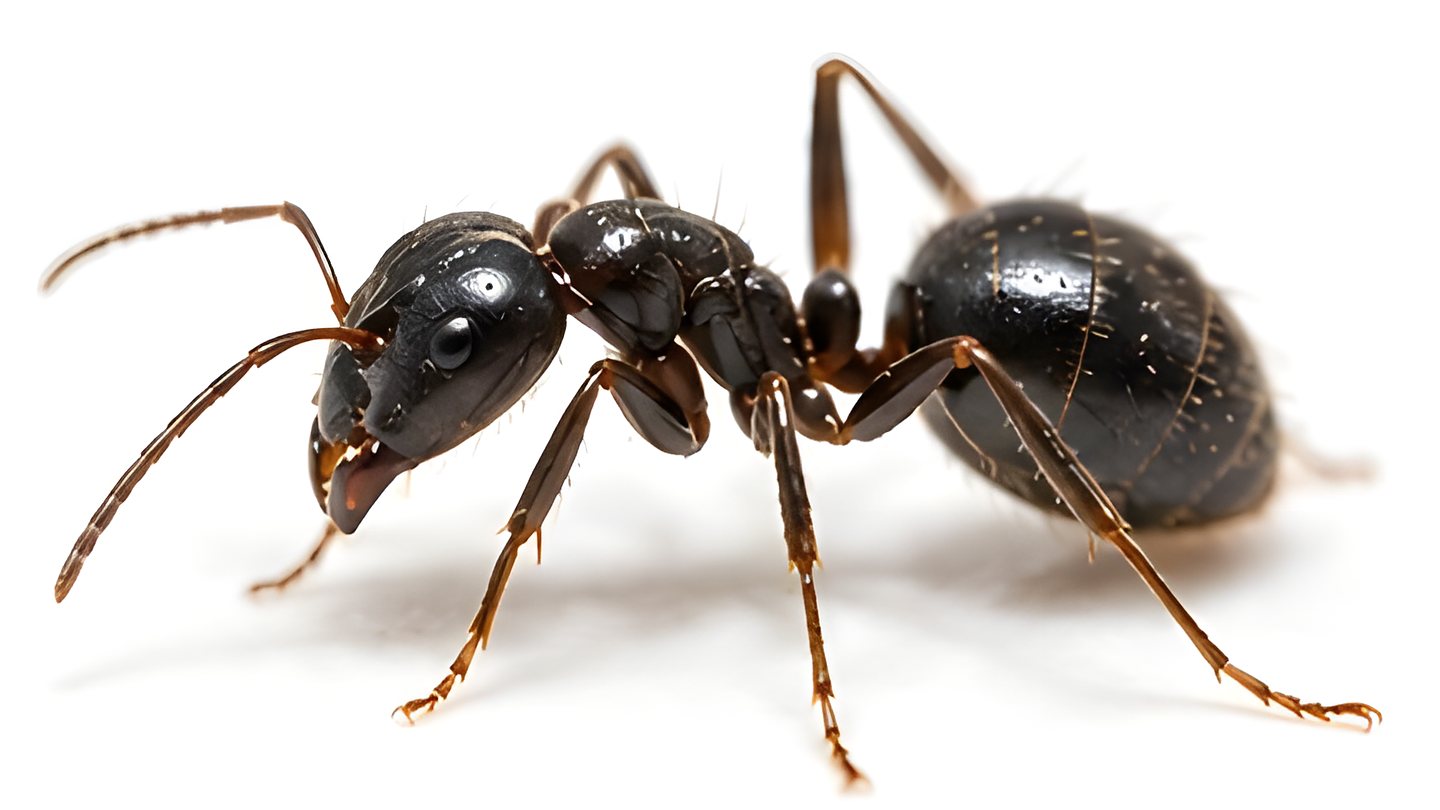
  • Black garden ant shown magnified on a white background

    Black garden ant

    The common black ant, 3–5 mm. Comes indoors from nests in gardens, paving and wall bases, following trails to food and water.

Why act now

Why ants cannot wait

  1. Food contamination

    Ants walk from bins, drains and soil onto food and preparation surfaces. In food premises, an ant trail is a hygiene finding during a municipality inspection.

  2. Pharaoh ants in healthcare

    Pharaoh ants are drawn to wounds, dressings and IV lines and can carry bacteria between rooms. Spraying splits the colony into several new ones, which is why they need baiting by trained hands.

  3. Carpenter ants and timber

    Carpenter ants hollow out damp timber in door frames, pergolas and roofs to nest. They are not termites, but left alone they weaken the wood and point to a moisture problem.

  4. Colonies grow and split

    A mature colony sends out winged queens every season, and some species bud new nests when disturbed. Each summer without treatment means more nests around the building.

Options

Treatment methods

Ants need a different approach from most crawling insects: the colony, not the workers, is the target.

  • Baiting to the nest

    Gel or granular baits matched to the species and the food it is seeking, placed along trails and entry points. Workers carry the bait into the nest, where it reaches the queen and brood that sprays never touch.

  • Perimeter and garden treatment

    A treated zone along the building perimeter, paving edges, planters and irrigation lines, where most colonies in Saudi gardens live, to cut the trails before they reach the door.

  • Nest and void treatment

    Direct treatment of nests found in lawns, under paving, in wall voids or in damp timber, with advice on fixing the moisture that attracted carpenter ants in the first place.

  • Sealing entry points

    Gaps around pipes, door thresholds, window frames and expansion joints are sealed or marked for sealing, so the next colony in the garden stays outside.

Method

How ant treatment works

Every ant job follows the same four steps; the species decides the bait, and the location of the nest decides where we treat.

  1. 01

    Inspection and trail tracing

    We identify the species, follow the trails back to their source, check gardens, irrigation lines, planters, wall voids, timber and service entries, and find where the colony is nesting.

  2. 02

    Treatment plan

    You receive a written scope: the bait type for the species, the nest sites and perimeter zones to treat, the entry points to seal, and how to prepare kitchens and gardens before the visit.

  3. 03

    Baiting and treatment

    Trained technicians place baits along the trails for the workers to carry to the queen, treat the nest sites and the building perimeter, and treat voids or timber where carpenter ants are nesting.

  4. 04

    Monitoring & follow-up

    Trails should fade within days as the bait reaches the nest. We check, re-bait where needed and record each visit in a written report, backed by our service warranty.

Why Eastern Alliance

Why clients choose us for ant control

  • Earth-friendly productsBaits and targeted products from ranges approved by the WHO, the SFDA and the US EPA, chosen and applied to protect people, pets and the environment.
  • A report after every visitSpecies found, nest sites, products used and recommendations, kept on file for facility teams and inspections.
  • Insured & guaranteedWork backed by insurance and a service warranty.
  • Trained in-houseTechnicians trained at our own training centre on ant species, baiting and safe application around food and patients.

Before and after the visit

Before the visit, clear food, crumbs and pet bowls from the areas being treated, and do not spray or wipe the trails: the workers must stay active to carry bait to the nest. After baiting you may see more ants for a day or two while the bait is collected; that is expected. Leave the bait points alone, keep children and pets away from them, and wait the time your technician gives before using treated outdoor areas.

Prevention

How to keep ants out

Most ant colonies live in the garden and come indoors for food and water. Make the house a poor destination and the trails stop.

  • Clear the kitchen every nightWipe worktops, store sugar, honey and pet food in sealed containers, and rinse recyclables before binning them.
  • Fix the waterDripping taps, AC drain lines and sweating pipes draw ants indoors in summer. Keep the space under sinks and around appliances dry.
  • Watch the irrigationDrip lines and sprinklers against the wall keep the soil beside the foundation moist, which is exactly where garden ant colonies settle. Leave a dry strip.
  • Seal where the trails enterFill gaps around pipes and cables, fit door sweeps and repair window screens where trails come in.
  • Keep plants and mulch off the wallsTrim branches touching the building and keep mulch, firewood and planters a step away from the walls.
  • Never spray pharaoh antsIn hospitals and kitchens, spraying splits the colony into new nests. Report sightings and let the baiting programme work.

Price and quote

What decides the price of ant treatment

There is no single price: the quote follows the inspection, so it reflects the species, where the nests are and how much ground needs treating.

  • SpeciesPharaoh and carpenter ants need more bait points and visits than garden ants.
  • Nest location and spreadA colony in one planter, or nests across a compound garden and several units.
  • Area to treatKitchen only, a whole villa, perimeter and garden, or a hospital building.
  • Sealing and follow-upEntry points to seal, and the monitoring visits agreed for sensitive sites.

Inspection first, then an itemised quote with no hidden extras.

Request a quote

Tell us what you are seeing and where. A coordinator will call you back to arrange a survey.

Saudi mobile or landline, e.g. 05X XXX XXXX

Preferred contact method

FAQ

Frequently asked questions

Why do the ants come back after I spray them?
Sprays kill the workers on the trail, a small share of the colony, while the queen keeps laying. With some species the colony splits, and you end up with several nests. Baits the workers carry back to the nest are what end the trail.
Which ants are common in Saudi homes?
Black garden ants trailing in from irrigated gardens and paving are the most common. Pharaoh ants, tiny and yellowish, live indoors in warm buildings such as hospitals, hotels and apartment blocks. Carpenter ants are larger and dark, and nest in damp timber.
Are carpenter ants the same as termites?
No. Carpenter ants tunnel into damp wood to nest but do not eat it, and they leave sawdust-like frass below the entry. Termites eat the wood and leave mud tubes. The inspection tells them apart, and if it finds termites we recommend termite treatment.
Why are there more ants after the treatment?
Baits attract the workers for a day or two while they carry the bait back to the nest. That burst of activity is part of the treatment; do not spray or wipe the trails during it.
Is ant bait safe around children and pets?
Bait is placed in small amounts, in stations or spots out of reach and along the trails rather than in open areas, and your technician shows you where they are. Keep children and pets away from them until the follow-up visit.
How do you deal with pharaoh ants in a hospital or hotel?
Pharaoh ants are baited, never sprayed, because spraying splits the colony. We place baits across the affected floors, check them at scheduled visits and record each one, working around wards and guests with your facilities team.
Can you treat the garden and the compound grounds?
Yes. Most colonies live in lawns, planters and along irrigation lines, so we treat the nests and the building perimeter outside. In compounds we schedule the grounds and the units together, with a record for the management.
How long does ant treatment take to work?
Trails usually thin within days as the bait reaches the nest; the colony itself takes longer to collapse. The follow-up visit checks that activity has stopped and re-baits where needed.
How can I stop ants coming in from the garden?
Keep irrigation and mulch away from the walls, seal the gaps around pipes and doors, and clear food and water indoors. A perimeter treatment adds a treated zone the trails do not cross.

Residential pest control

One programme for villas, apartments and compounds: inspection, targeted treatment and follow-up, safe around children and pets.

View service

Cockroach control

German and American cockroaches in kitchens, bathrooms, drains and food premises, treated with gel baits and crack-and-crevice methods.

View service

Crawling insect control

Silverfish, beetles, centipedes, millipedes, earwigs, woodlice and booklice treated at the damp, cluttered places where they breed.

View service

Garden & lawn pest control

Ants, grubs, aphids, mosquitoes and soil pests treated in villa gardens, compound lawns, hotel grounds and public landscaping.

View service

Termite control

Soil treatment before you build, plus inspection and treatment for existing buildings.

View service

Commercial pest control

Scheduled, documented pest control for offices, malls, hotels, restaurants, hospitals, schools and government buildings.

View service

Learn more about the pest

Household insects

Ants, silverfish, beetles, pantry moths, centipedes, fleas and ticks: how to recognise the everyday crawling insects of Saudi homes and what keeps them out.

Read the guide