Flies breed fast and close by, and carry what they land on.
In summer heat a house fly goes from egg to adult in about a week, so a bin, drain or grease trap cleaned late becomes a breeding site. This guide covers the flies met in homes, kitchens and food premises across Saudi Arabia: how to tell them apart, where each one breeds, the risks they bring and what actually brings numbers down.
Species
Flies found in Saudi homes and food premises
01
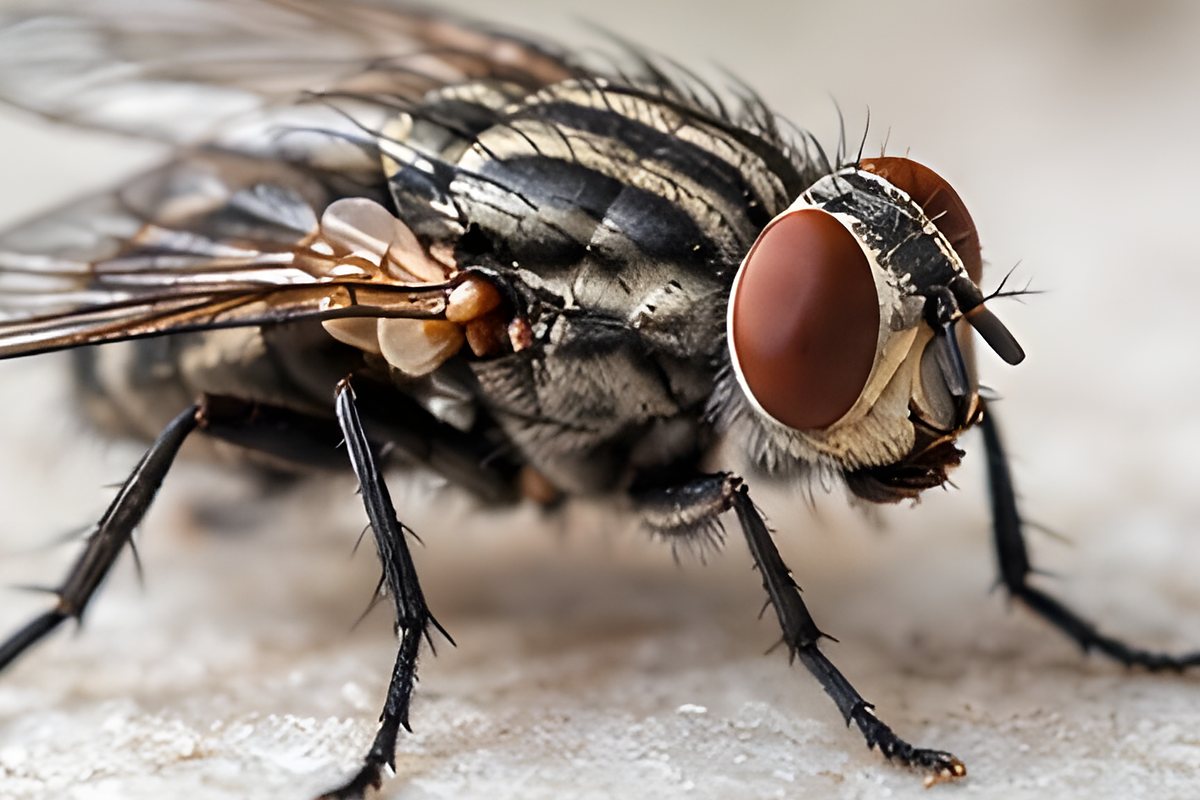
House fly
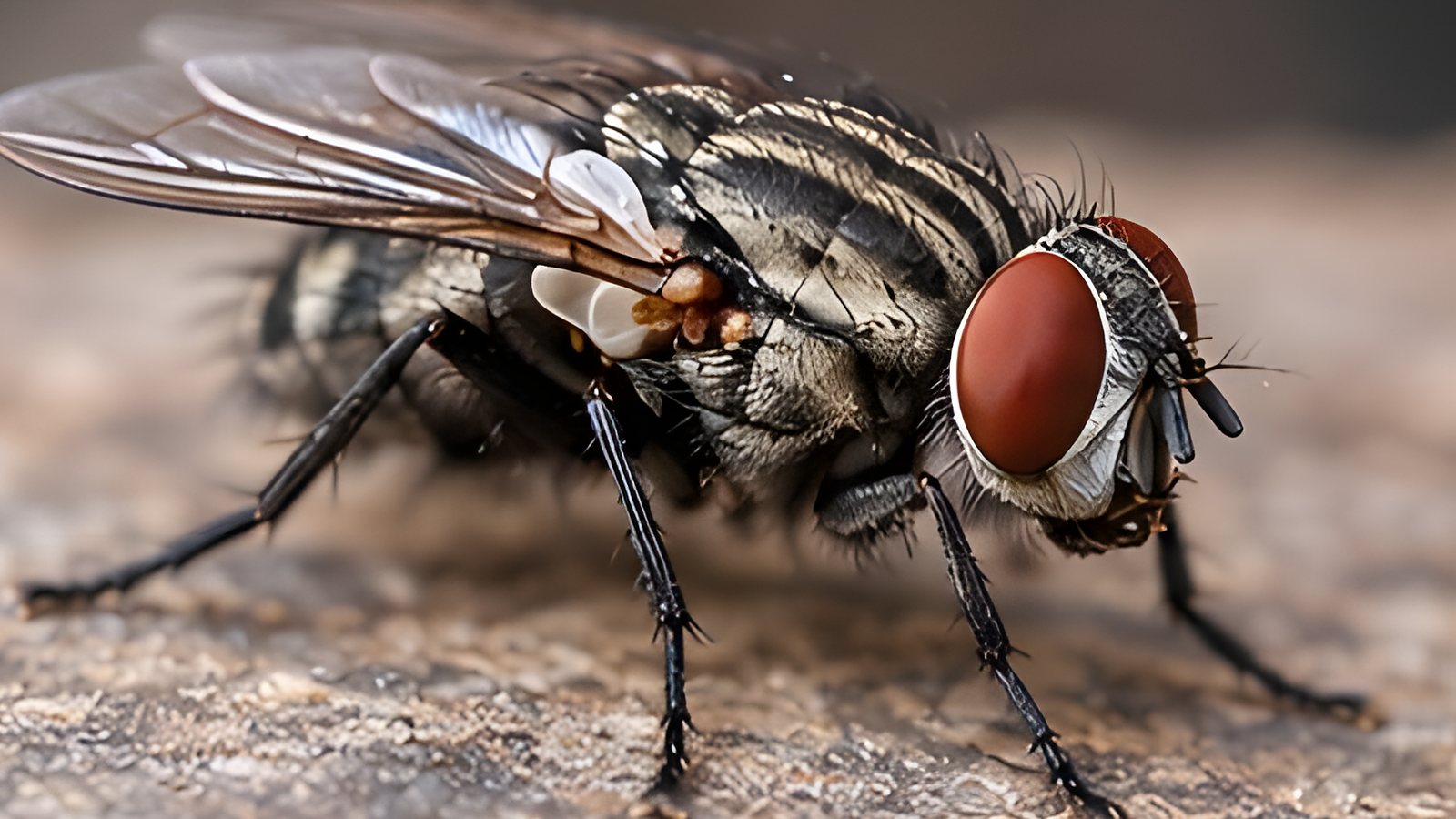
Grey, 6–8 mm, with four dark stripes along the back. It breeds in bins, food waste, manure and anything rotting; a female lays several hundred eggs, and in summer the next generation is flying within a week. The main fly of kitchens, waste rooms and farms.
02
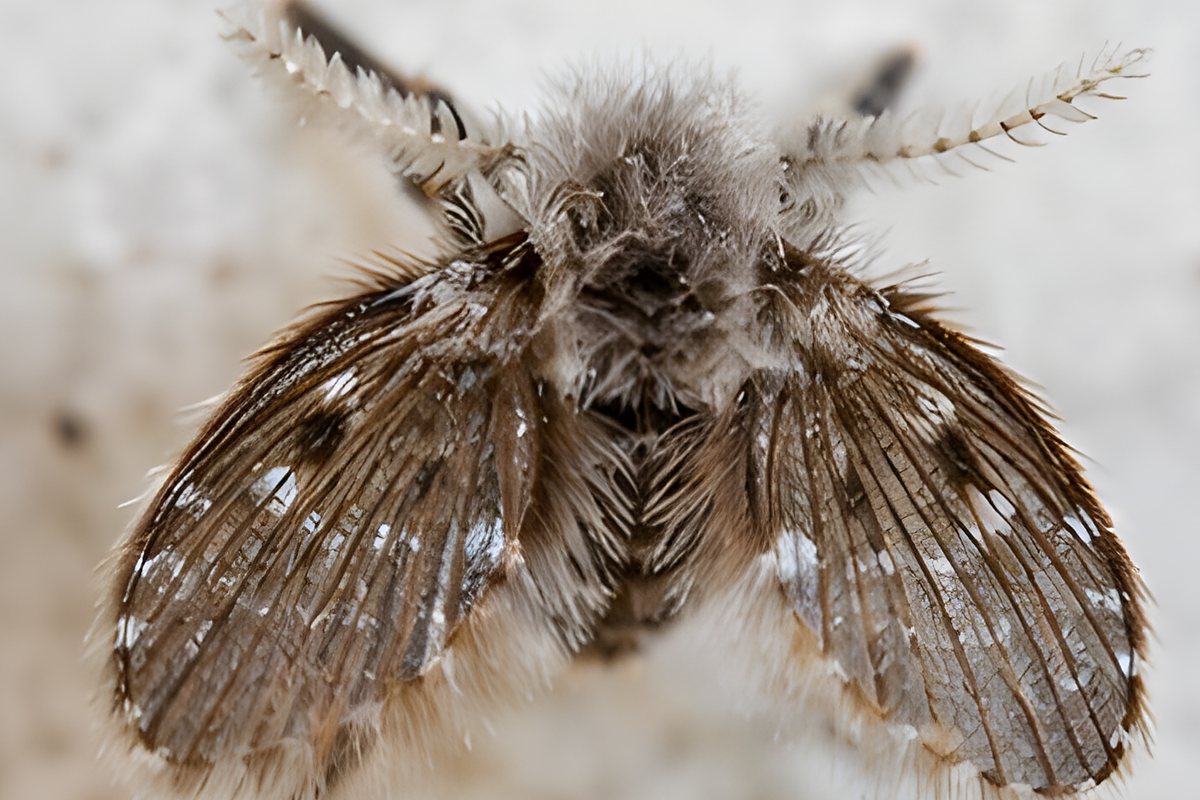
Drain fly
Tiny, fuzzy and moth-like, 2–4 mm, resting on bathroom and kitchen walls near floor drains. The larvae live in the slimy film inside drains, grease traps and overflow pipes, so they survive any spray aimed at the adults.
03
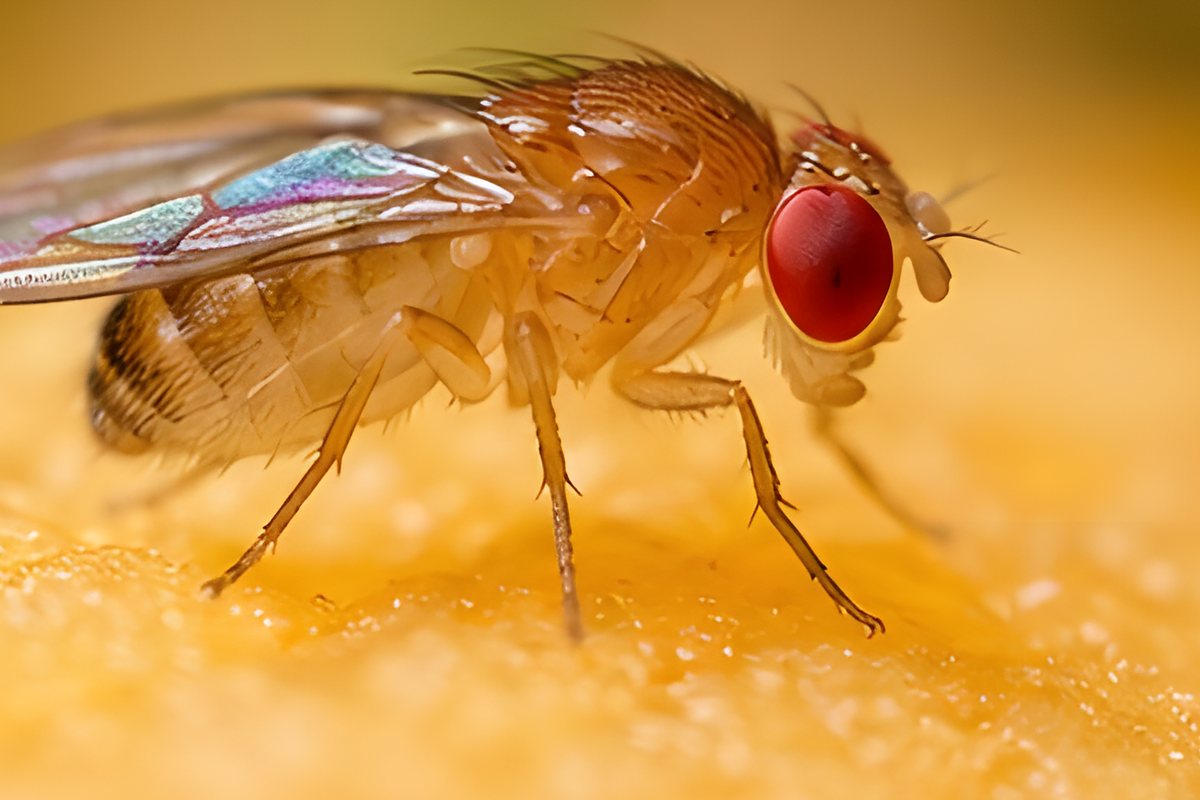
Fruit fly
About 3 mm, tan with red eyes, hovering over fruit bowls, juice counters, bar drains and recycling. It breeds in fermenting residue: a wet mop, a sticky bottle or a leaking drink dispenser is enough.
04
Blow and bottle flies
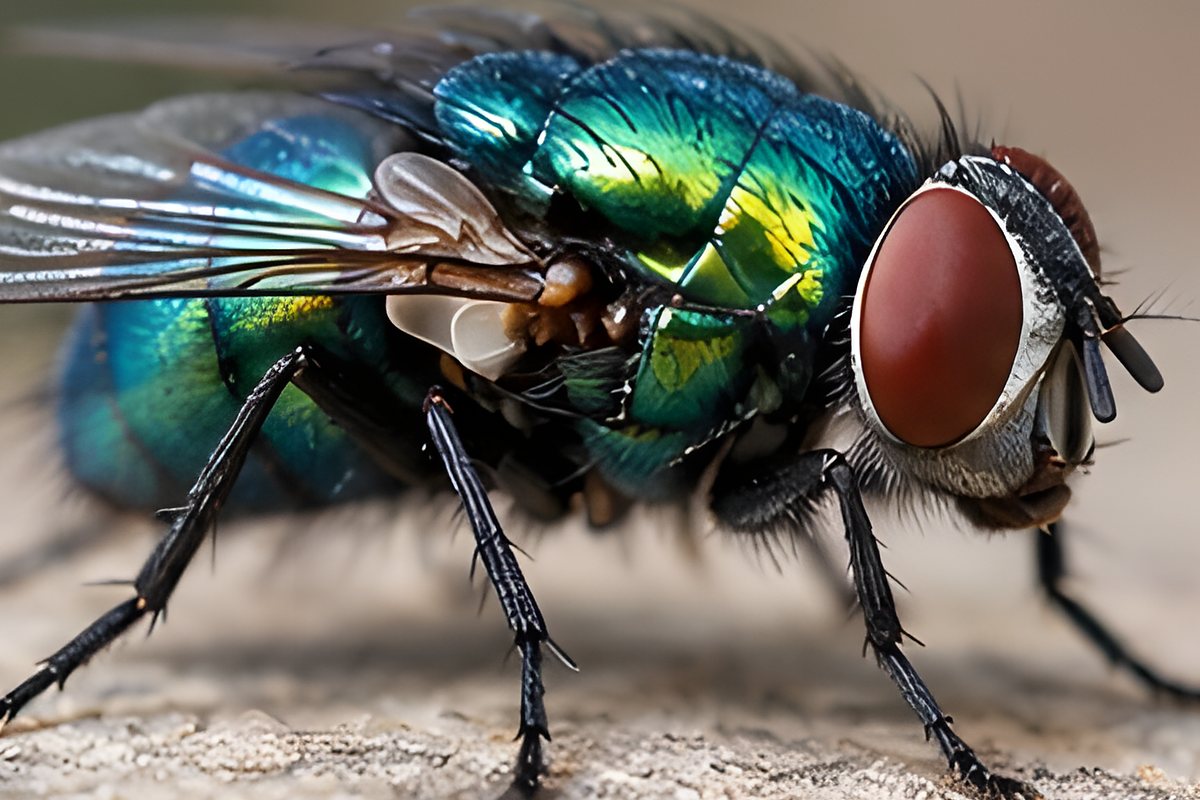
Metallic blue or green, a little larger than a house fly, with a loud buzz. They breed in meat waste, dead animals and bins left in the sun. A sudden cloud of them in a closed room usually means a dead rodent or bird in a wall or ceiling void.
05
Coastal midges
Clouds of small gnats at dusk near the sabkha, lagoons, mangroves and irrigation ponds of the Gulf and Red Sea coasts. Most are harmless swarms drawn to lights; the biting kinds go for exposed skin at dawn and dusk and pass through ordinary window mesh.
Identification
How to tell which fly you have
Size, colour and where the fly rests say most of it. Large and metallic means blow flies and a carcass or meat waste; grey and striped in a kitchen means house flies and a waste or hygiene gap; tiny fuzzy flies on bathroom walls point to drains; tiny tan flies over fruit and bar areas point to fermenting residue. Where they gather tells you where to look for the breeding site.
House fly: grey, 6–8 mm, four stripes on the back, lands on food and faces alike
Drain fly: 2–4 mm, hairy wings held like a roof, a weak flier that hops more than it flies
Fruit fly: 3 mm, tan body, red eyes, hovers in slow circles over fruit and drains
Blow fly: 8–12 mm, metallic blue or green, loud, bumps against windows
Midges: 1–3 mm, slender like tiny mosquitoes, in swarms outdoors at dusk
Maggots: cream, legless larvae in bins, under bin liners or in blocked drains
Habitat and behaviour
Where flies breed and how they reach you
Flies need moist, rotting organic matter and warmth, which Saudi summers supply. House and blow flies lay in bins, food waste, manure and carcasses; drain flies in the film inside drains and grease traps; fruit flies in fermenting fruit and spills. Eggs hatch within a day in the heat; larvae feed for a few days, pupate nearby and emerge as adults. Adults rarely travel far, so the source is usually on the premises or next door: an open waste yard, a farm, a blocked gully. They come in through open doors, unscreened windows and gaps around pipes, and in the hottest months move to cooler rooms.
Warning signs
Signs of a fly problem
Flies settling on bins, drains, pet areas or loading bays every day, not just passing through
Small dark specks on light fittings, ceilings and window frames where flies rest
Maggots in or under bins, in drain gullies or around animal pens
Tiny fuzzy flies on bathroom tiles or hovering over a floor drain
Small flies around fruit, juice machines, bottle stores or the bar
Blue or green flies suddenly filling a closed room or office
Light-trap catches rising from one week to the next in a food premise
Why it matters
Why flies are more than a nuisance
01
They carry what they last landed on
A house fly moves from manure and waste to your food within minutes, carrying organisms on its feet and body and regurgitating as it feeds. Flies are linked to food poisoning and diarrhoeal illness, and to eye infections when they settle on faces.
02
An inspection finding you cannot hide
Flies in a preparation area are visible to any Balady or SFDA inspector, auditor or customer the moment they walk in. Fly activity, missing screens and uncovered waste are standard items on food-premises checklists.
03
Numbers grow faster than you can swat
One neglected bin can release hundreds of adults a week, and each female lays again within days. A kitchen that only treats the adults falls further behind with every week of summer.
04
Hidden breeding means hidden damage
Drain flies mean a drain or grease trap is coated in sludge; blow flies often mean a dead animal in a ceiling or wall void. Both are hygiene and odour problems that grow until the source is found.
05
Reputation and comfort
Guests, patients and staff notice flies before anything else. In hotels, hospitals and offices they drive complaints and reviews; on farms and in stables they stress animals and spread disease between them.
Prevention
How to keep flies down
Starve the breeding sitesUse bins with tight lids, empty them daily in summer, wash them weekly and keep the waste yard paved, drained and away from doors. Food waste goes in sealed bags, never loose.
Clean drains, not just floorsBrush out floor drains and gullies, service grease traps on schedule and run water through unused traps weekly. Removing the slime layer removes drain-fly larvae; bleach poured down the drain does not.
Screen and close the openingsFit fine mesh on windows and vents, self-closers on external doors and air curtains or strip curtains on busy kitchen and loading entrances. Seal the gaps around pipes.
Give fruit flies nothing to fermentRefrigerate ripe fruit, rinse bottles and cans before storing them, wring out mops and hang them to dry, and clean under bar mats, drink dispensers and juice machines daily.
Manage manure and animal wasteOn farms, in stables and in pet areas, remove droppings daily and keep manure dry, covered or composted away from buildings; wet manure is the biggest house-fly nursery there is.
Place traps where they workInsect light traps belong between the entrance and the food, out of direct sight of windows and never above a preparation surface. Ribbons suit stores and waste rooms, not open kitchens.
Search for the dead animalIf blow flies appear from nowhere, check false ceilings, service voids, chimneys and behind kitchen units for a dead rodent or bird, then remove it and disinfect the spot.
How we deal with it
When to call a professional
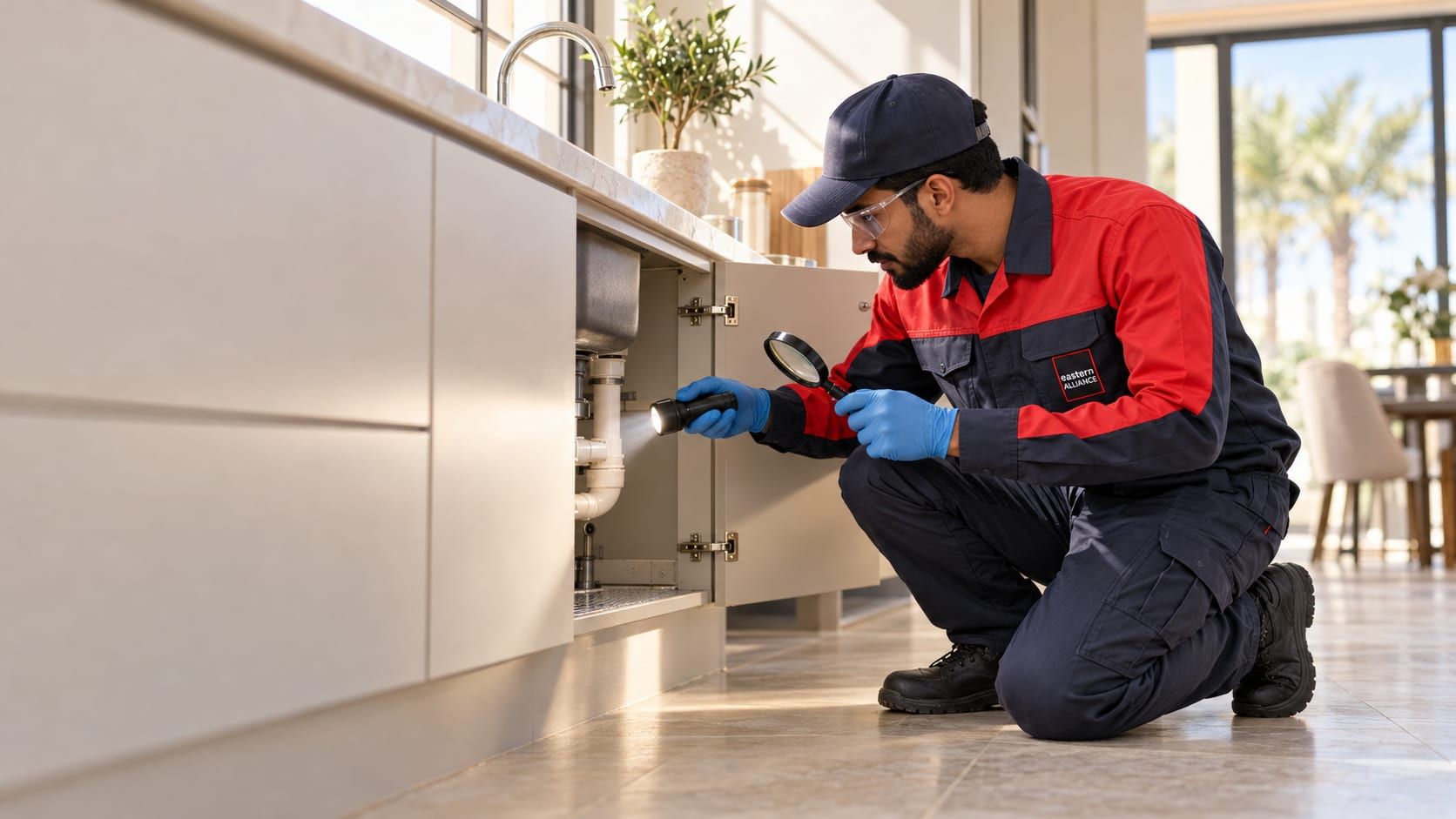
Call when flies return within days of cleaning, when a food premise has an inspection or audit coming, when drain flies survive repeated cleaning, or when blow flies point to a carcass you cannot find. Our technician traces each fly type to its breeding site, checks waste, drains, grease traps and entrances, then quotes an itemised plan: source treatment, traps placed correctly and a written report after every visit.
Our services that cover this pest, from inspection to monitoring.
A sudden increase usually means something nearby has started breeding them: a bin left in the sun, pet waste, a blocked drain or, if the flies are metallic blue or green, a dead rodent or bird in a wall or ceiling void. Find and remove that source and the adults disappear within days; spraying alone only thins them for a day or two.
Are fly ribbons and electric fly killers enough for a restaurant?
No. They catch adults that pass close to them and tell you how bad the problem is, but they do nothing about the bins, drains and entrances producing the next generation. Inspectors also expect traps to be placed away from food. Treat them as the last layer, after waste control, drain cleaning and screening.
What are the tiny flies in my bathroom?
Almost always drain flies. Their larvae live in the slime inside the floor drain, shower trap or overflow, so sprays aimed at the adults change nothing. Scrub the drain with a brush and a cleaner that removes the film, then run water through it weekly; if they persist, the source may be a cracked pipe or a drain under the slab.
Do flies really spread disease?
Yes. House flies feed on waste and faeces and then on food, carrying organisms on their legs and bodies and leaving regurgitated spots where they land. They are a recognised route for the organisms behind food poisoning and diarrhoeal illness, which is why food regulations treat fly control as part of hygiene, not an extra.
How do you control flies in a working kitchen?
We start with the inspection: waste flow, drains, grease traps, door discipline and screens, and which fly is present. Treatment targets breeding sites and resting surfaces, traps are positioned away from food, and the kitchen keeps operating. Call us or request a quote online; you receive an itemised quote first and a written report after each visit for your records.
Why do midges swarm around our compound in the evening?
Midges breed in nearby lagoons, sabkha, ponds and over-irrigated ground, then gather at dusk around lights and still air. Reducing lights near doors, fixing leaking irrigation and fitting fine mesh all help; large outdoor areas can be fogged when swarms peak, timed to the evenings they are active.
Aedes, Culex and Anopheles: how to tell them apart, where they breed around Saudi homes and sites, what they can carry and how to stop them at the source.
Paper wasps, hornets, honey bees, stinging ants and scorpions: where they nest, when they are active, what a sting needs and what never to do yourself.
Ants, silverfish, beetles, pantry moths, centipedes, fleas and ticks: how to recognise the everyday crawling insects of Saudi homes and what keeps them out.
Which snakes turn up around Saudi homes, farms and sites, how to read the signs, what to do after a bite and how to make your property less inviting.
Read the guide
This guide is general information for homes and facilities in Saudi Arabia. Species and their behaviour vary by region and season, and the right treatment is decided after an inspection.